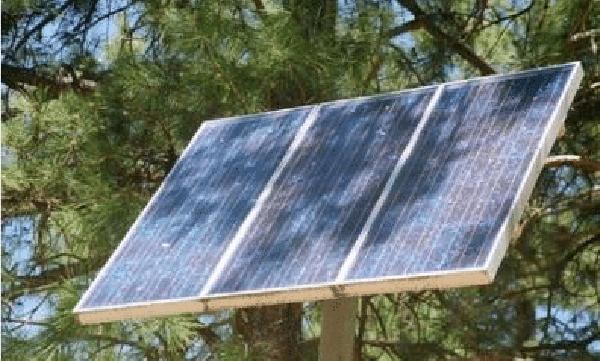
Solar panels still work in shade, but shade reduces power output by 20% to 60% or more depending on shade density. Panels generate electricity from diffuse and ambient sunlight. However, shade from trees, buildings, or debris blocks direct sunlight and prevents solar panels from operating at full capacity.
Do Solar Panels Work in Shade?
How Solar Panels Generate Electricity
Solar panels convert sunlight into electricity through the photovoltaic effect, first discovered in 1839 by Edmond Becquerel. About 95% of solar cells are made from silicon, a semiconductor material that absorbs and converts sunlight into usable power. When photons (light particles) strike the solar cells, they create an electric field at the junction between different layers of the semiconductor material. This electric field knocks electrons loose from atoms within the solar cells, setting them in motion and generating an electrical current.
The electrons flow through wires to a solar inverter, which converts the direct current (DC) electricity into alternating current (AC) electricity for your home. Both direct and indirect sunlight carry photons, which means solar panels can generate power even when conditions aren’t perfect.
What Happens When Shade Hits Solar Panels
Solar cells within each panel are connected in series, similar to water flowing through a pipe. When one cell becomes shaded, it restricts the flow of electricity through all connected cells. Studies have shown that shading as little as one thirty-sixth of a panel can reduce total power output by as much as seventy-five percent.
Modern solar panels are divided into three sections, each protected by a bypass diode. When shade covers part of one section, it impacts production for all cells in that section. However, the other two sections continue generating electricity if they remain unshaded. Without bypass diodes, shade on just one cell could affect the entire panel’s production.
Direct vs. Indirect Sunlight
Solar panels need 1000 W/m² of sunlight to reach peak output, which only happens with direct sunlight. Direct sunlight travels straight from the sun to your panels without obstruction. Indirect sunlight, conversely, reflects off surfaces or scatters through the atmosphere before reaching your panels.
While solar panels perform most efficiently in direct sunlight, they still function with indirect light because photons exist in both forms. Shaded solar panels generate electricity at reduced capacity, typically ranging from 25% to 50% of optimal output depending on shading conditions.
How Much Does Shade Actually Reduce Solar Panel Output?
The numbers behind shading losses are more severe than most homeowners expect. Shading can reduce solar panel output by anywhere from 5% to 95%, depending on the extent and type of shade coverage.
Partial Shade vs. Full Shade
Partial shade allows some light to reach unblocked cells, so electricity production continues at reduced levels. Full shade blocks sunlight completely, resulting in little to no energy generation from affected panels. The distinction matters because partial shading creates a gradual decline in performance, while full shading causes immediate shutdown of affected sections.
The severity of partial shading determines your system’s energy loss:
- Light shading (less than 20% panel coverage): 15-25% output reduction
- Moderate shading (20-40% coverage): 25-40% output reduction
- Heavy shading (more than 40% coverage): 40-95% output reduction
Shading as little as one thirty-sixth of a panel can reduce total power output by as much as 75%. When 10% of a panel’s surface becomes shaded, the power loss reaches approximately 2.3% in efficiency, translating to about 12.41 watts per panel. At 44% shading coverage, power output loss can reach as high as 80%.
Factors That Determine Shade Impact
The shape and pattern of shade influences power reduction severity. Research indicates that horizontal shading has the most detrimental impact on module efficiency compared to vertical or single-cell shading patterns. Temperature imbalances also contribute to losses. Shaded cells can heat up to 150-200°F (65-93°C), creating hot spots that risk permanent damage over time.
Duration of Shading Throughout the Day
Shade impact varies based on sun position. During early morning or late afternoon, shadows from buildings and trees become larger as the sun sits lower in the sky, causing higher power losses. At noon, when the sun reaches its peak, shading effects diminish.
String Inverter Systems and the Weakest Link Problem
In traditional string inverter configurations, one shaded panel acts as a bottleneck that drags down the entire string’s output. Just 10% shading on one panel can reduce the output of the entire string by 30-40%. For residential systems, annual energy production typically drops between 5% and 25% due to shading. A system with a 7-year payback period under optimal conditions might take 8-9 years to break even when affected by significant shading.
Technologies That Help Solar Panels Work Better in Shaded Areas
Several technologies have emerged to address the limitations of traditional string inverter systems when solar panels in shaded areas encounter obstruction.
Microinverters for Independent Panel Operation
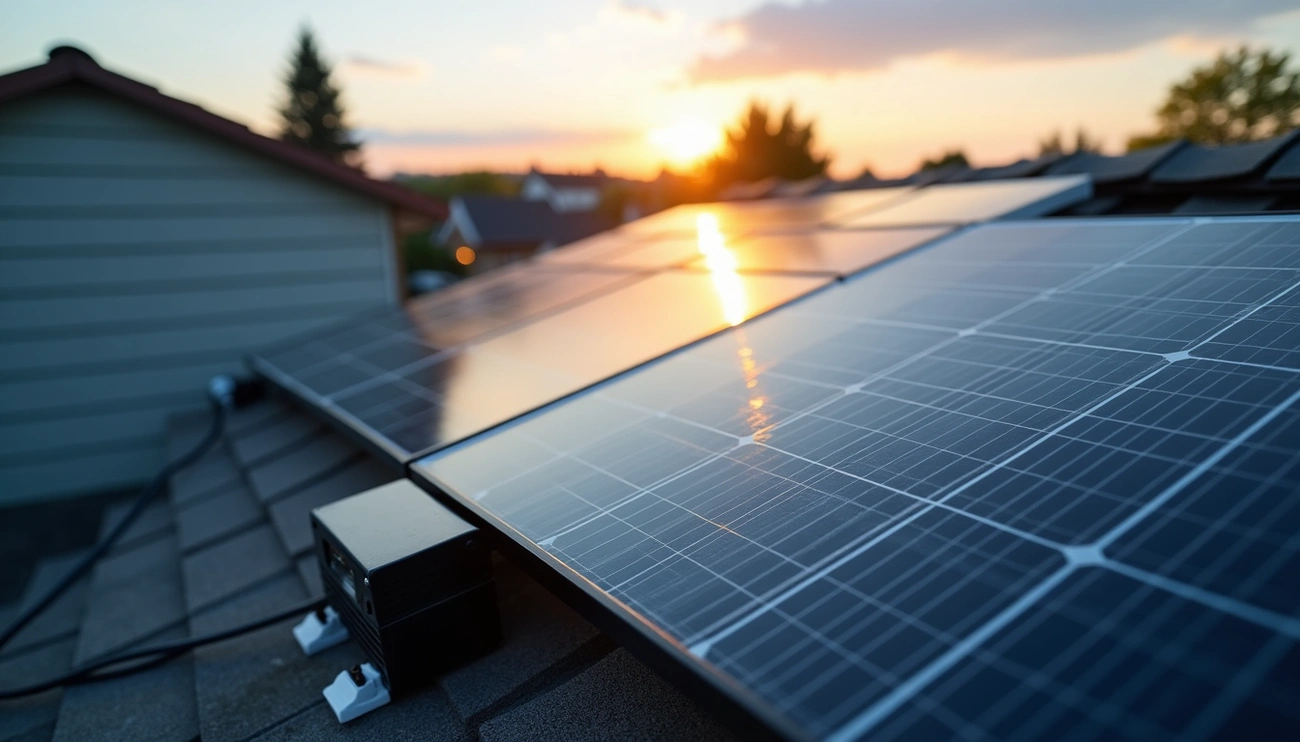
Microinverters fundamentally change how solar systems handle shade by pairing each panel with its own dedicated inverter. Unlike string inverters that connect multiple panels in series, microinverters operate on a one-to-one basis, converting DC to AC electricity right at each panel.
This autonomy prevents module mismatch, where one underperforming panel drags down the entire string. When shade hits a panel equipped with a microinverter, only that panel’s output drops while neighboring panels continue operating at full capacity. Each microinverter adjusts its operations dynamically to extract maximum power from its connected panel.
Power Optimizers to Maximize Each Panel’s Output
Power optimizers offer a middle ground between microinverters and string inverters. A small optimizer attaches to each panel, conditioning the DC electricity by adjusting voltage before sending power to a central inverter for final conversion.
These devices use Maximum Power Point Tracking (MPPT) technology to identify each panel’s optimal operating point based on sunlight intensity and temperature. Specifically, optimizers can boost electricity production by up to 30% in shaded conditions. The technology prevents shaded panels from reducing array-wide performance while maintaining lower costs than full microinverter systems.
Bypass Diodes in Modern Solar Panels
Most modern solar panels contain three bypass diodes that divide the panel into separate sections. When shade covers cells in one section, the bypass diode activates, allowing current to flow around the affected area rather than forcing it through high-resistance shaded cells.
This prevents hot spot formation, which occurs when shaded cells heat up to 150-200°F. While bypass diodes reduce power loss, they work best when combined with module-level electronics.
Half-Cut Solar Cell Technology
Half-cut panels physically divide standard cells in half, creating dual independent sections that operate in parallel rather than series. This design provides up to 50% fewer power losses in shaded conditions compared to traditional panels. Furthermore, peak temperatures drop by up to 20°C due to lower current per substring.
How to Maximize Solar Panel Performance With Shade Present
Understanding technology options matters less if you implement them incorrectly. Strategic planning determines whether solar panels in shade deliver acceptable returns.
Conduct a Professional Shade Analysis
Professional installers use shade analysis to determine shadow patterns from buildings, trees, and obstructions throughout the year. This evaluation calculates Solar Access Values, Total Solar Resource Fraction, and Tilt Orientation Factor to predict energy production accurately. Even partial shading on one cell can reduce power output by 75%.
Choose Optimal Panel Placement on Your Roof
Accurate roof measurements with obstruction detection reduce shading inefficiencies significantly. Designers optimize panel layouts to ensure maximum sunlight exposure throughout the day, positioning arrays on south-facing surfaces while avoiding north-facing roofs.
Consider Trimming Trees or Removing Obstructions
Selective branch pruning reduces shade while preserving tree health. A 5,000-watt residential system offsets 5,760 pounds of CO2 annually, equivalent to planting over 180 trees. Regular trimming maintains optimal performance as trees grow.
Work With an Experienced Solar Installer
Experienced installers assess roof condition, orientation, and climate to determine optimal placement. They design systems accounting for potential shade sources and select appropriate inverter configurations.
Monitor Your System Performance Over Time
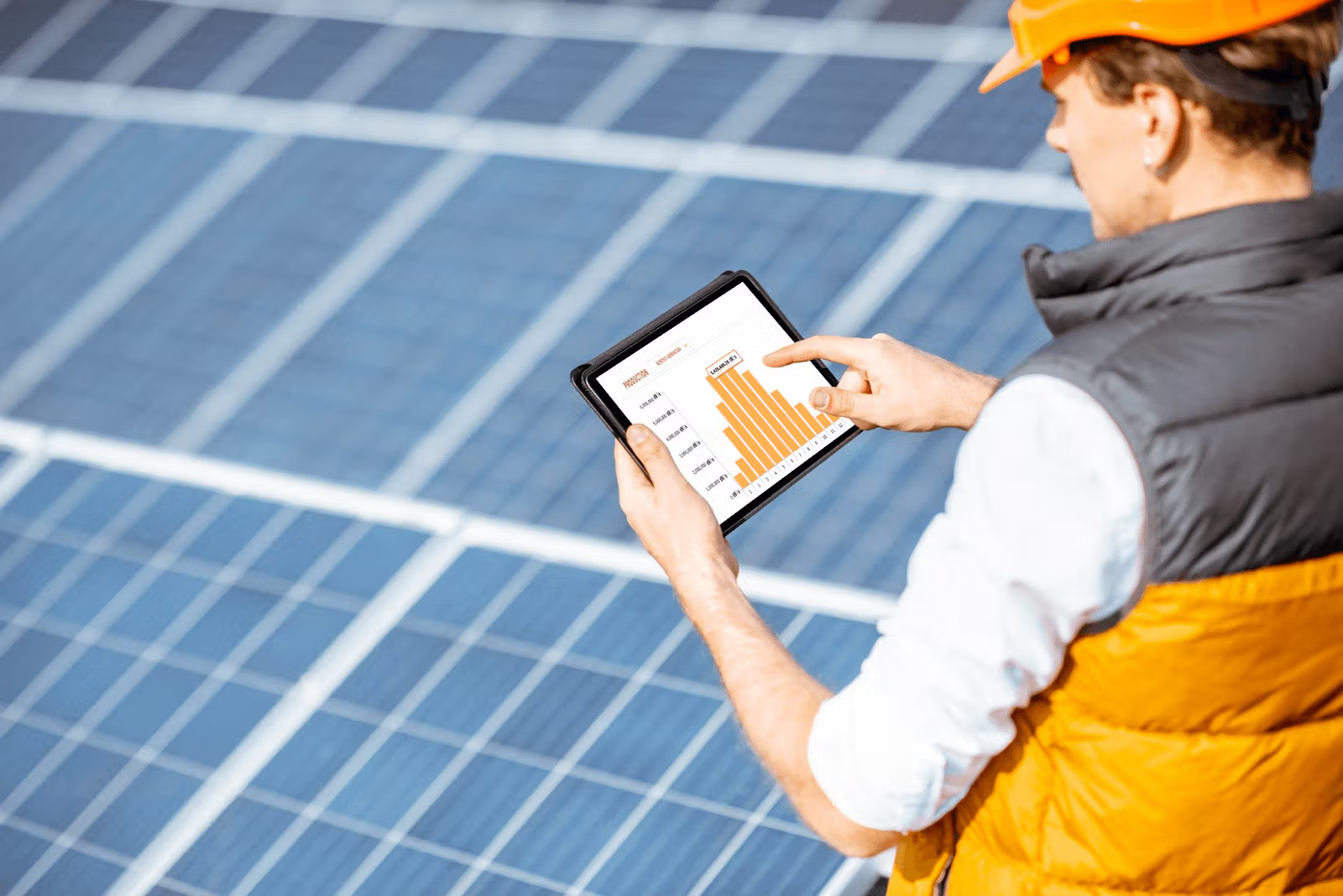
Smart monitoring software identifies shading losses immediately after installation. Advanced algorithms reduce false under-performance alerts by 25% or more.
Conclusion
Solar panels in shade still produce electricity, just at reduced capacity. While direct sunlight remains ideal, modern technologies like microinverters and power optimizers help minimize shading losses significantly. The key is working with experienced installers who can conduct professional shade analysis and optimize your system layout accordingly. Even if your roof experiences partial shade, you can achieve viable returns with proper system design. Don’t let shade concerns automatically disqualify you from solar—specifically assess your situation with professional tools to determine actual feasibility.