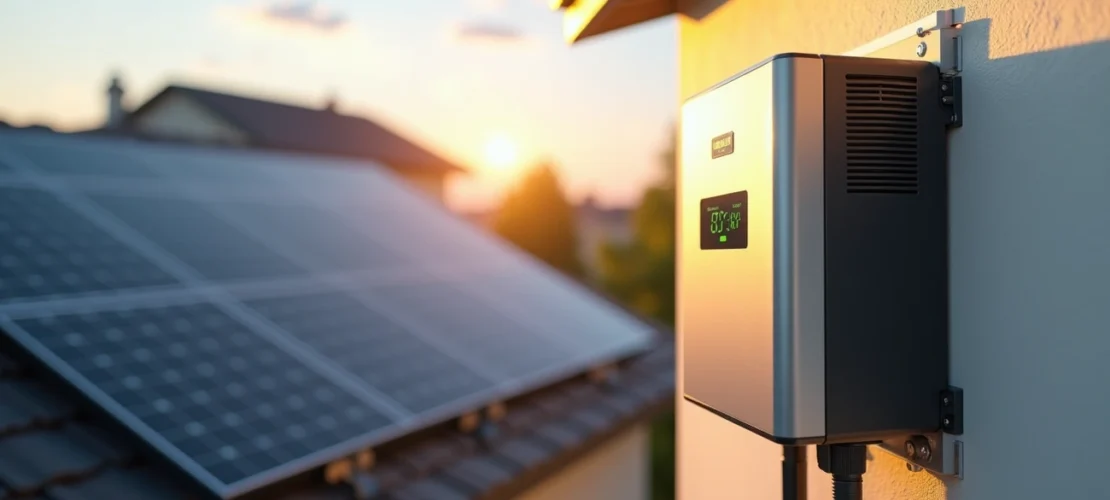
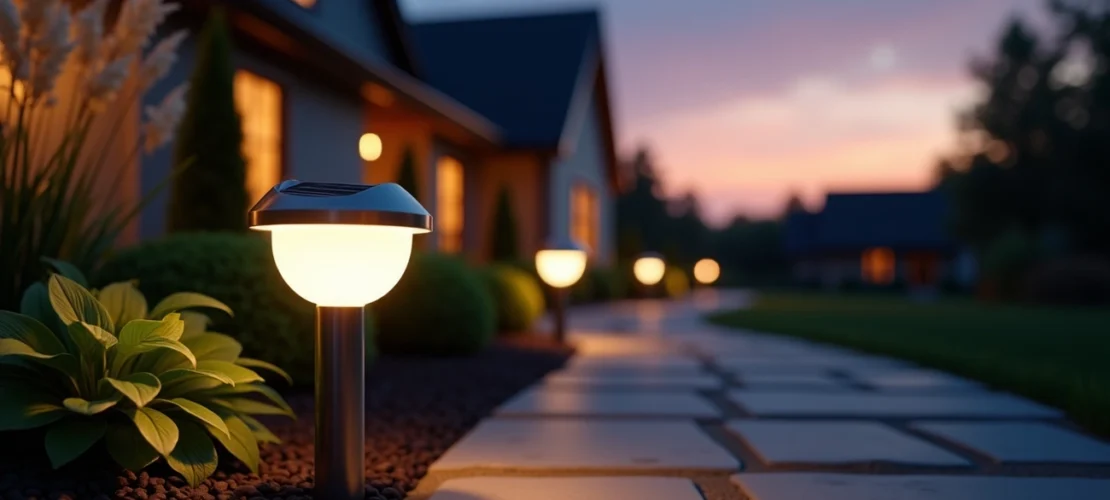
Solar panels produce Direct Current (DC) electricity, where electrons flow in a single direction. Homes and the utility grid operate on Alternating Current (AC). A solar inverter converts the DC electricity generated by solar panels into usable AC power for household appliances and grid-connected systems. Do Solar Panels Generate AC […]
Yes, you need an inverter for almost all residential solar panel systems. Solar panels produce Direct Current (DC) electricity, while homes and the utility grid use Alternating Current (AC). A solar inverter converts DC power into usable AC electricity so household appliances and grid connections can operate properly. What Does […]
Solar panels are connected in series or parallel to control voltage and current. A series connection links positive to negative terminals to increase voltage, while a parallel connection links positive to positive and negative to negative to increase amperage. Installers connect panel strings using MC4 connectors, then route power to […]
Solar lights work at night by storing energy in rechargeable batteries during the day through photovoltaic panels. A built-in light sensor detects darkness at dusk and automatically turns on the LED light. The stored solar energy then powers the LEDs throughout the night until the battery charge decreases. How Do […]
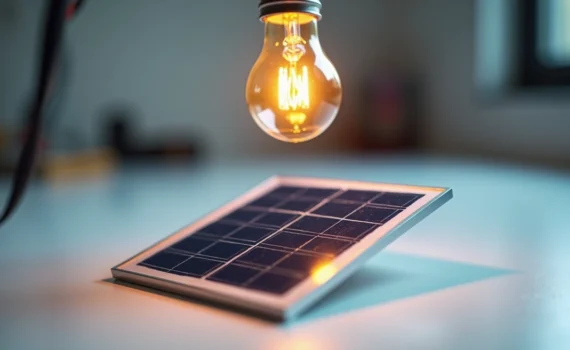
Solar panels can be charged by a light bulb, but the process is highly inefficient compared to sunlight. Solar cells convert artificial light from LED or incandescent bulbs into electricity. However, charging requires close exposure for about 6–12 hours and only produces a minimal charge, making it impractical for large […]
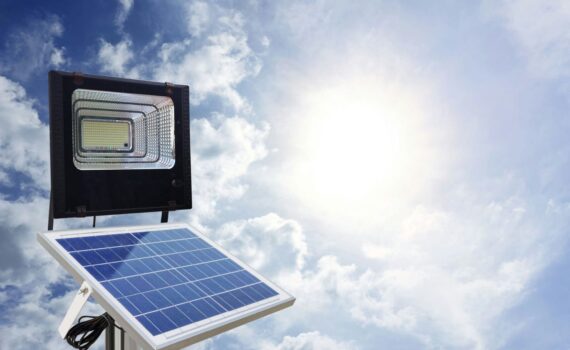
LED light can charge solar panels, but the process is extremely inefficient. Solar cells convert artificial light into electricity, yet LED light produces far less usable energy than direct sunlight—often about 100 times less effective. LED lighting can only provide small trickle-charging for low-power devices. The Science: How LED Light […]
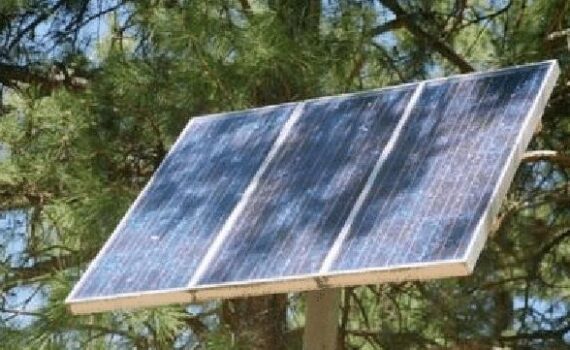
Solar panels still work in shade, but shade reduces power output by 20% to 60% or more depending on shade density. Panels generate electricity from diffuse and ambient sunlight. However, shade from trees, buildings, or debris blocks direct sunlight and prevents solar panels from operating at full capacity. Do Solar […]
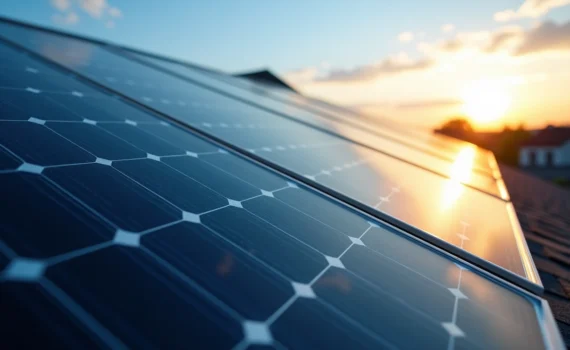
Solar panels are blue because they use polycrystalline silicon cells. Manufacturers create these cells by melting raw silicon and pouring it into square molds, which forms multiple crystals that scatter light. An anti-reflective coating increases light absorption, and this interaction with sunlight produces the panels’ distinct blue color. The science […]
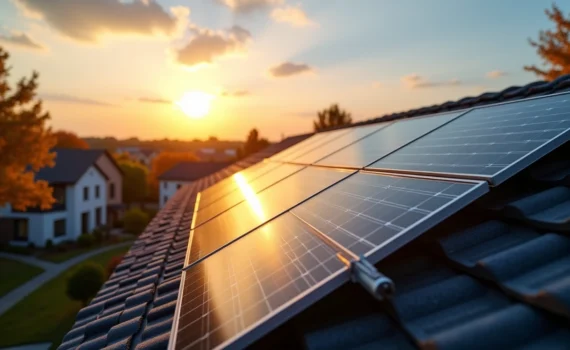
Solar energy is considered renewable because it comes from the sun, a naturally replenished energy source. The sun produces energy through nuclear fusion and is expected to shine for another 4–5 billion years. This long lifespan provides a virtually limitless, continuous, and sustainable supply of clean power. What Does Renewable […]
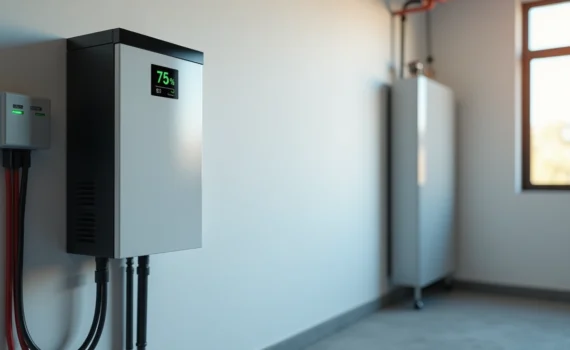
SOC in solar stands for State of Charge. State of Charge measures the percentage of energy stored in a battery compared to its total capacity, where 0% means empty and 100% means full. Solar systems use SOC to manage battery health, extend lifespan, and track available energy during nighttime or […]