An IRC certificate for solar panels confirms that a solar panel installation complies with the International Residential Code (IRC). The IRC sets safety, structural, and electrical standards for residential buildings. This certification verifies that solar panels withstand wind and snow loads, follow approved mounting methods, and meet local building regulations for residential solar systems.
What is an IRC certificate for solar panels?
An IRC certificate for solar panels verifies that your solar panel installation complies with the International Residential Code. This certificate gets issued by a certified electrical inspector or professional engineer who examines the installation to confirm it meets all IRC regulations.
Understanding the International Residential Code
The International Code Council (ICC) creates and maintains the International Residential Code, which functions as a comprehensive set of regulations for planning and building homes. Building codes set minimum standards for structures and buildings to protect public health, safety, and welfare. The IRC specifically addresses electrical systems, structural strength, and overall safety in residential construction.
Building codes in most states and local jurisdictions across the U.S. are based on various editions of the International Code Council’s model building and residential codes. In reality, many jurisdictions adopt amendments or modifications to these model codes to meet local preferences or circumstances.
The role of IRC in solar installations
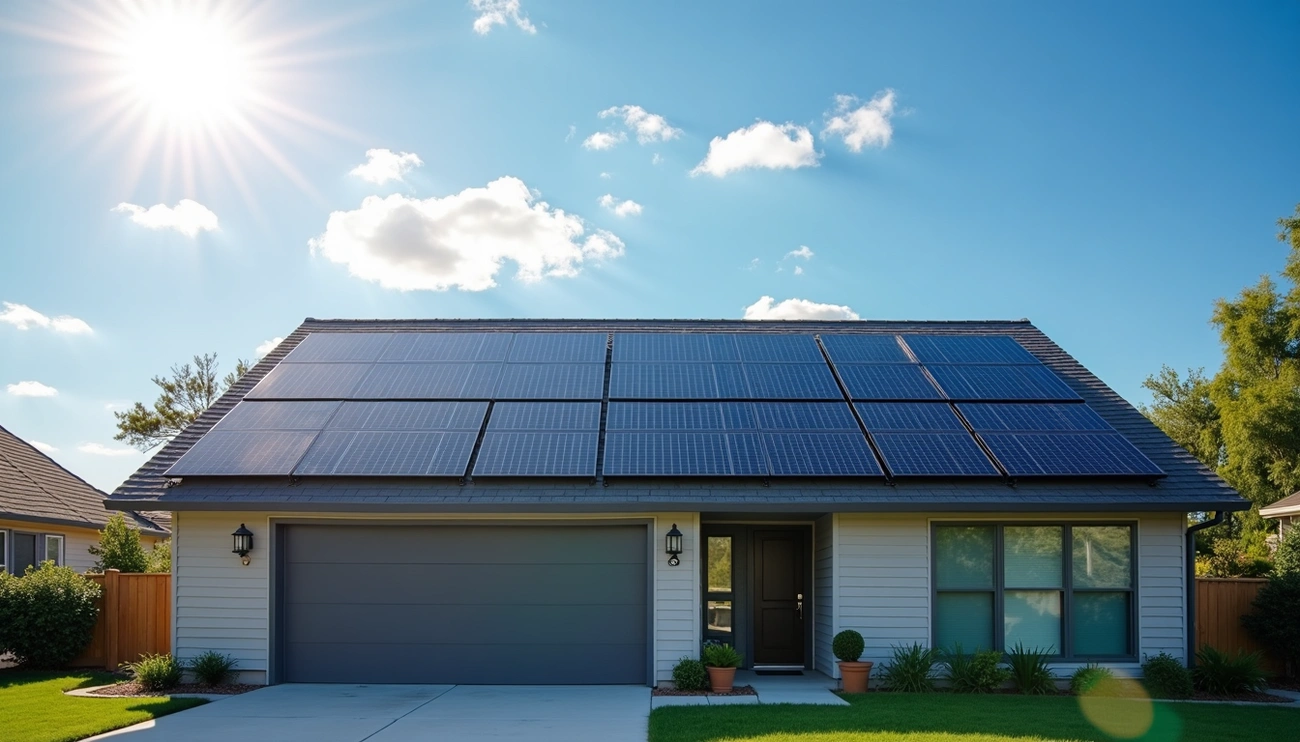
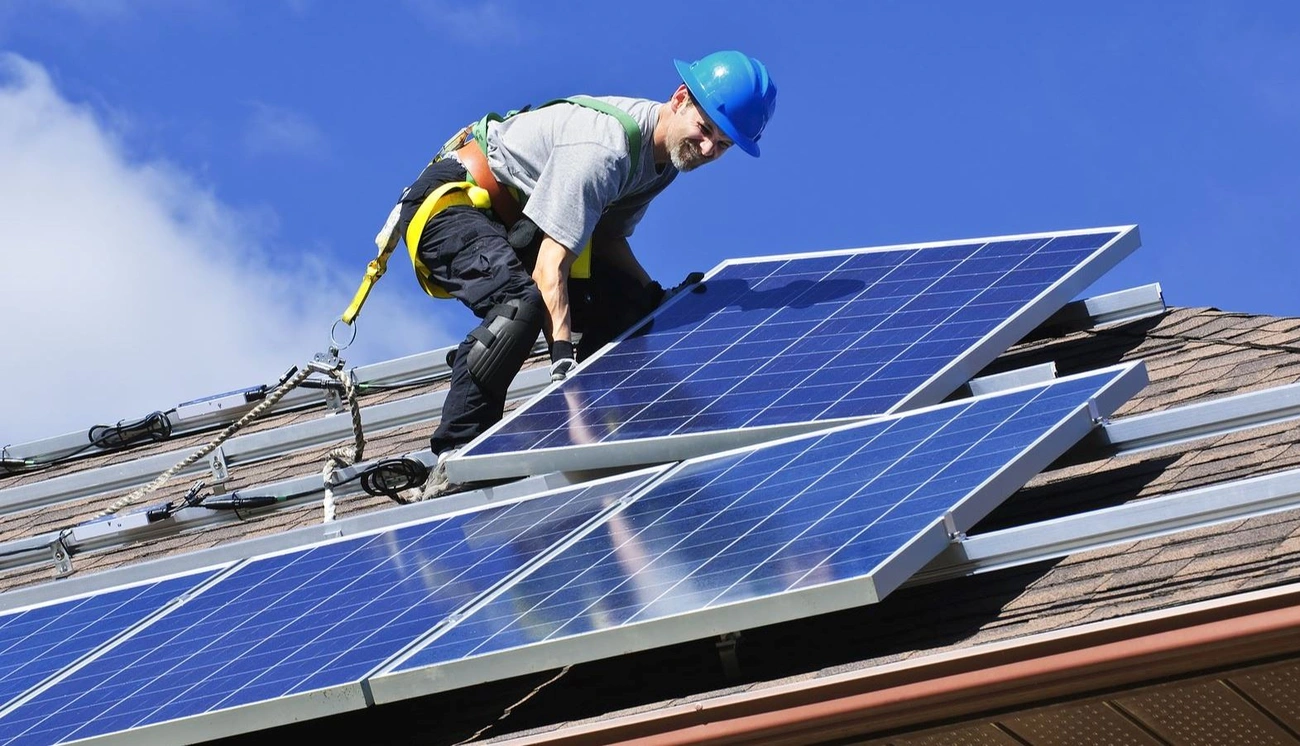
When installing irc solar roof systems, PV systems connect to your home’s existing electrical infrastructure. The IRC establishes rules for installing electrical systems, including solar panels, to guarantee safe operation. These standards cover wiring design, inverter placement, and how the solar system integrates with your home’s electricity.
The IRC primarily protects those living or working in the building. Following IRC requirements makes solar panels less likely to start electrical fires or create other hazards.
IRC vs other solar certifications
IRC certification differs significantly from other solar certifications in both scope and application. IRC focuses on installation compliance for irc solar systems and applies on a per project or site basis, issued by local authorities. Equally important to understand, IEC certification deals with product-level standards for solar panels and components at the manufacturing stage, not installation. UL certification primarily addresses electrical safety hazards like fire and shock risks in components. ISO certifications target quality management and manufacturing processes but don’t certify individual products or installations.
Why homeowners need IRC certification for solar panels
Getting an IRC certificate protects your investment and ensures you meet multiple requirements that affect your home’s safety, insurance, and legal standing.
Safety and fire prevention
Solar fires happen even with properly installed systems by qualified professionals. The IRC protects those living or working in your building by establishing rules that make solar panels less likely to start electrical fires or create other hazards. Fire testing requirements mandate that solar panels receive a Class A, B, or C roof classification based on their fire spread index. Class A systems have the highest fire resistance (fire spread index of 25 or less), while Class C provides basic protection (76 to 200). In California, solar panels must have a fire resistant rating that conforms to the fire rating of the roof beneath, and beginning in 2015, this became mandatory. The Department of Energy’s Solar Training and Education for Professionals program has trained more than 10,000 firefighters specifically to manage solar equipment during fire emergencies.
Insurance requirements and coverage
Your solar system represents a significant financial commitment. Before taxes, an installed rooftop solar energy system costs between $15,000 and $25,000. Most homeowners insurance policies cover solar panels as a permanent attachment to your property, similar to a patio or security system. You won’t need separate solar panel insurance. However, you may need to increase your coverage limits to account for the system’s cost, which can raise your premium. If you lease solar panels, the leasing company owns them and handles insurance[63].
Property value and resale benefits
IRC certification increases your property value. Buyers feel more confident when they learn the system meets recognized safety guidelines. Selling your home becomes easier with an IRC certificate since it proves to potential customers that the solar panel system is secure and performs well.
Legal compliance and permits
An IRC certificate acts as proof that your solar installation meets all local or national legal requirements. You need this documentation to obtain permits. In many countries, government subsidies or tax credits for solar installations are only released once the IRC certificate is submitted. Multiple jurisdictions across the U.S. require solar modules and systems to have proper certification prior to installation.
How to get an IRC certificate for your solar installation
Obtaining IRC certification for your irc solar roof systems involves working with qualified professionals and navigating local permitting requirements.
Finding a qualified solar installer
Start by identifying installers with certifications from the North American Board of Certified Energy Practitioners (NABCEP), widely recognized as the gold standard among renewable energy system installers. Verify the installer is licensed, bonded, and insured to install residential solar projects in your area. Look for contractors with at least three years of experience. Your installer will handle the vast majority of project work, including recommending the best system size, helping with incentive applications, and submitting all paperwork on your behalf.
Obtaining necessary permits
Before installation begins, you need permits from your local government. Most jurisdictions require building permits before making changes that could affect your home’s structural integrity. You’ll submit system design specifications, electrical diagrams, structural analysis reports, product specifications, and proof of contractor license and insurance. The permit review process typically takes one to four weeks. Additionally, you need a separate interconnection agreement from your utility company to connect your system to the electricity grid.
The inspection process
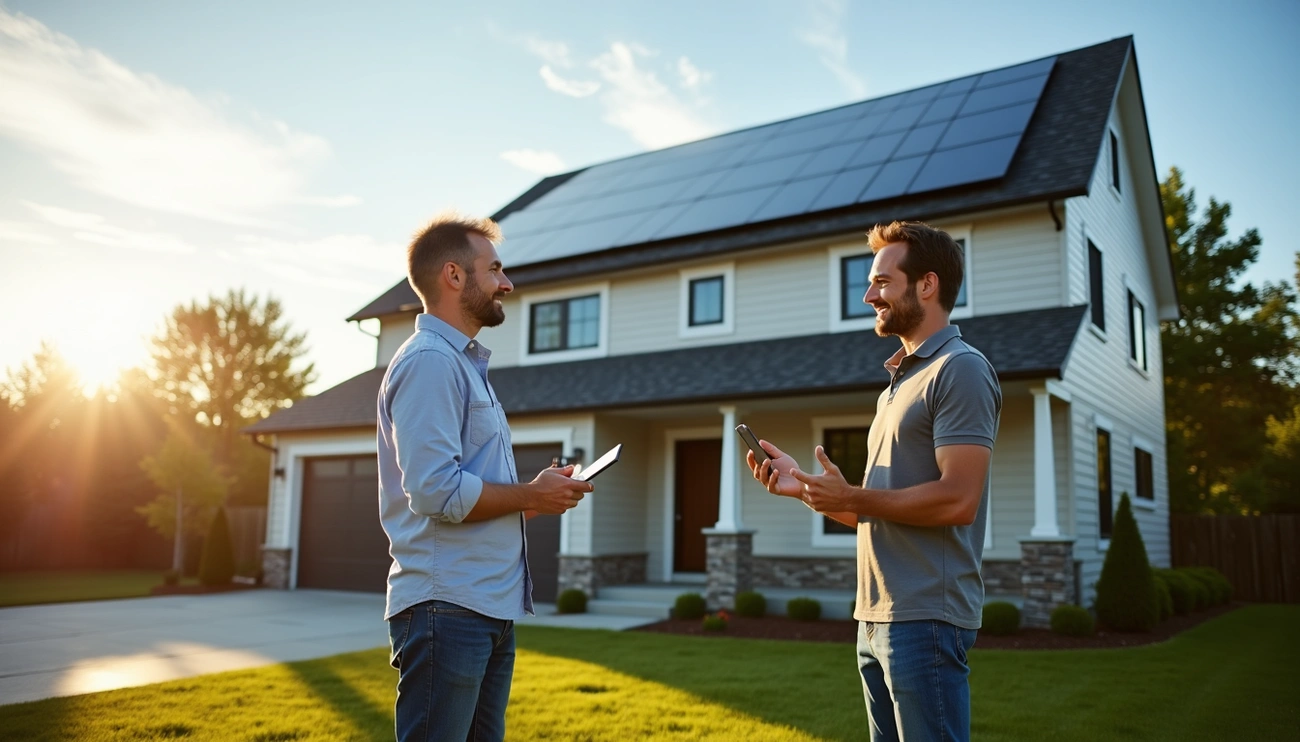
Following installation, a certified government inspector or professional engineer visits your site to inspect the system. They verify the physical installation quality, compliance with the approved design, and grid compatibility. The system undergoes functional tests, including inverter operation, output performance, load handling, and emergency shut-off functions. Inspectors ensure the installation matches the permitted plan set and complies with local building codes.
Receiving your certificate
If your system passes inspection and testing, the authority issues the IRC certificate. This document includes the installer’s name and license number, installation site address, system capacity, date of inspection and approval, and certificate validity period if applicable.
Common IRC requirements for solar roof systems
IRC solar roof systems must meet specific technical standards across multiple categories to pass inspection and receive certification.
Electrical wiring standards
All exposed PV source circuit wiring requires a minimum 10 AWG copper PV wire. Photovoltaic modules need listing to UL 1703 standards, while inverters must carry UL 1741 certification. Mounting systems require UL 2703 listing and installation per manufacturer instructions. Your system needs proper labeling that warns about electrical shock hazards if ground faults occur. Disconnecting means must be installed at readily accessible locations, either outside the building or nearest the point where system conductors enter.
Structural load requirements
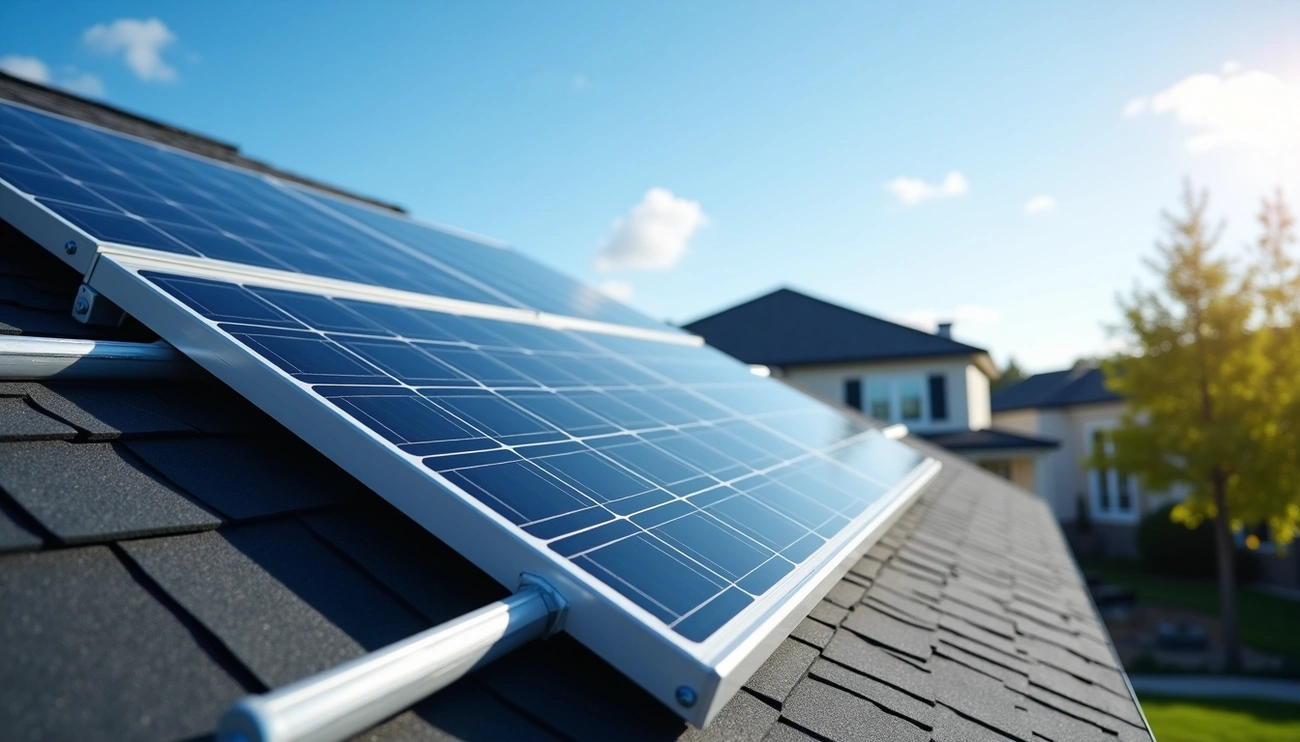
The total dead load of modules, supports, mountings, raceways, and appurtenances cannot exceed 4 pounds per square foot. Ground snow loads must stay below 70 pounds per square foot. PV modules cannot mount higher than 18 inches above the roofing surface. Support systems need to spread dead loads across multiple roof-framing members so no single point load exceeds 50 pounds.
Fire safety codes
Roof access pathways not less than 36 inches wide must run from gutter to ridge. Arrays covering 33 percent or less of roof area require 18-inch setbacks from the ridge. Arrays exceeding 33 percent coverage need 36-inch setbacks. Collectors and supporting structures must use noncombustible materials or fire-retardant-treated wood.
Connection and grounding rules
Equipment grounding conductors must be sized according to NEC Table 250.122. Ground fault protection equipment is mandatory for systems operating above 50 volts. All grounding and bonding components require listing for their intended use.
Conclusion
IRC certification protects your solar investment and ensures your system meets critical safety standards. As a result, you’ll satisfy insurance requirements, maintain legal compliance, and boost your property value. The process might seem complex at first, but working with a qualified NABCEP-certified installer simplifies everything. They’ll handle permits, meet IRC requirements, and guide you through inspections. Once you receive your certificate, you can enjoy clean energy with complete peace of mind knowing your irc solar roof systems are safe and code-compliant.