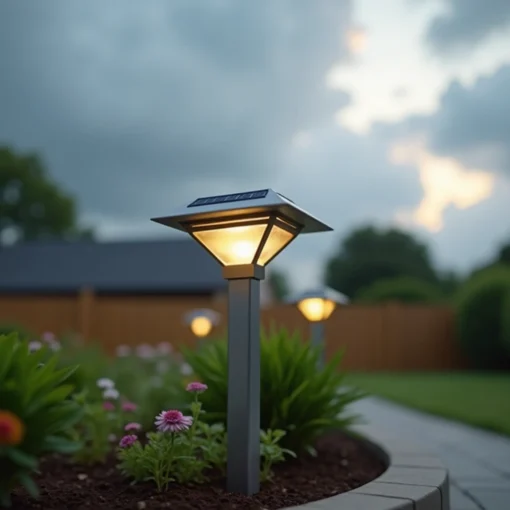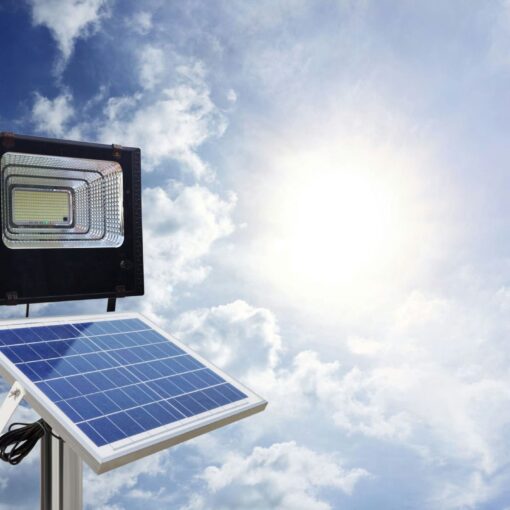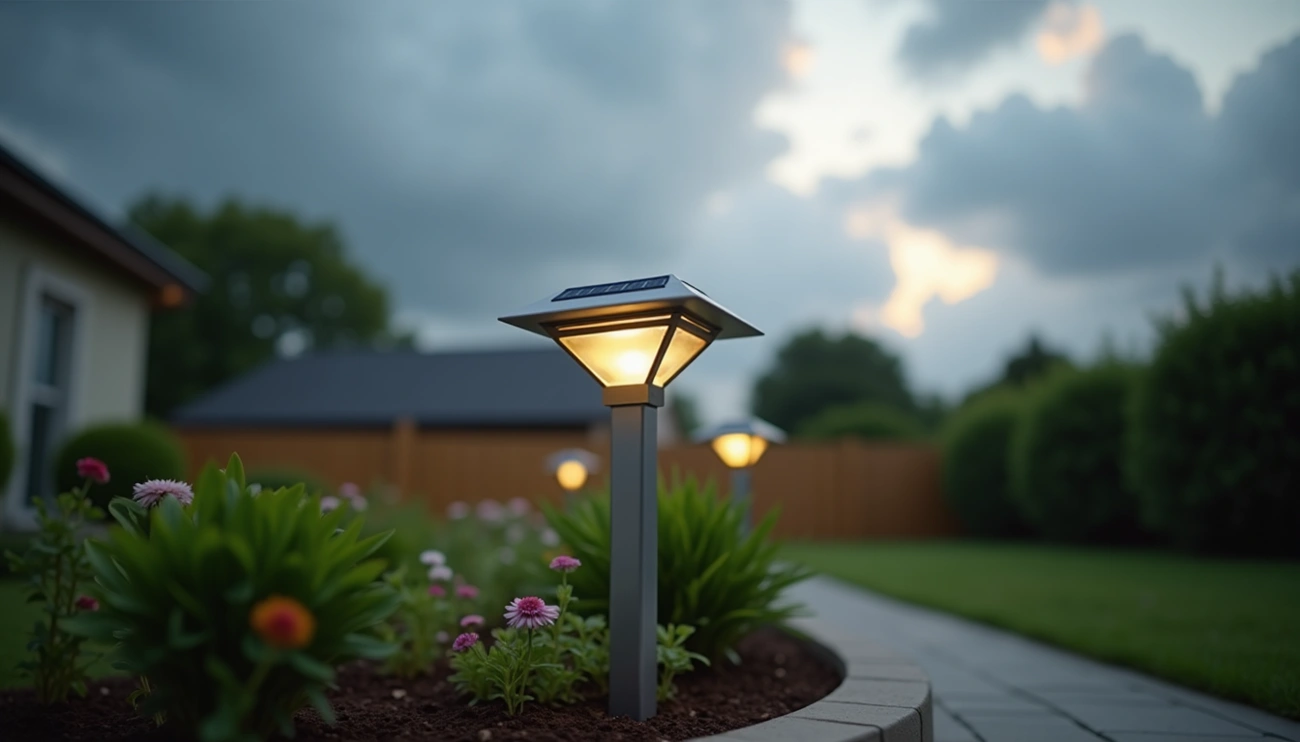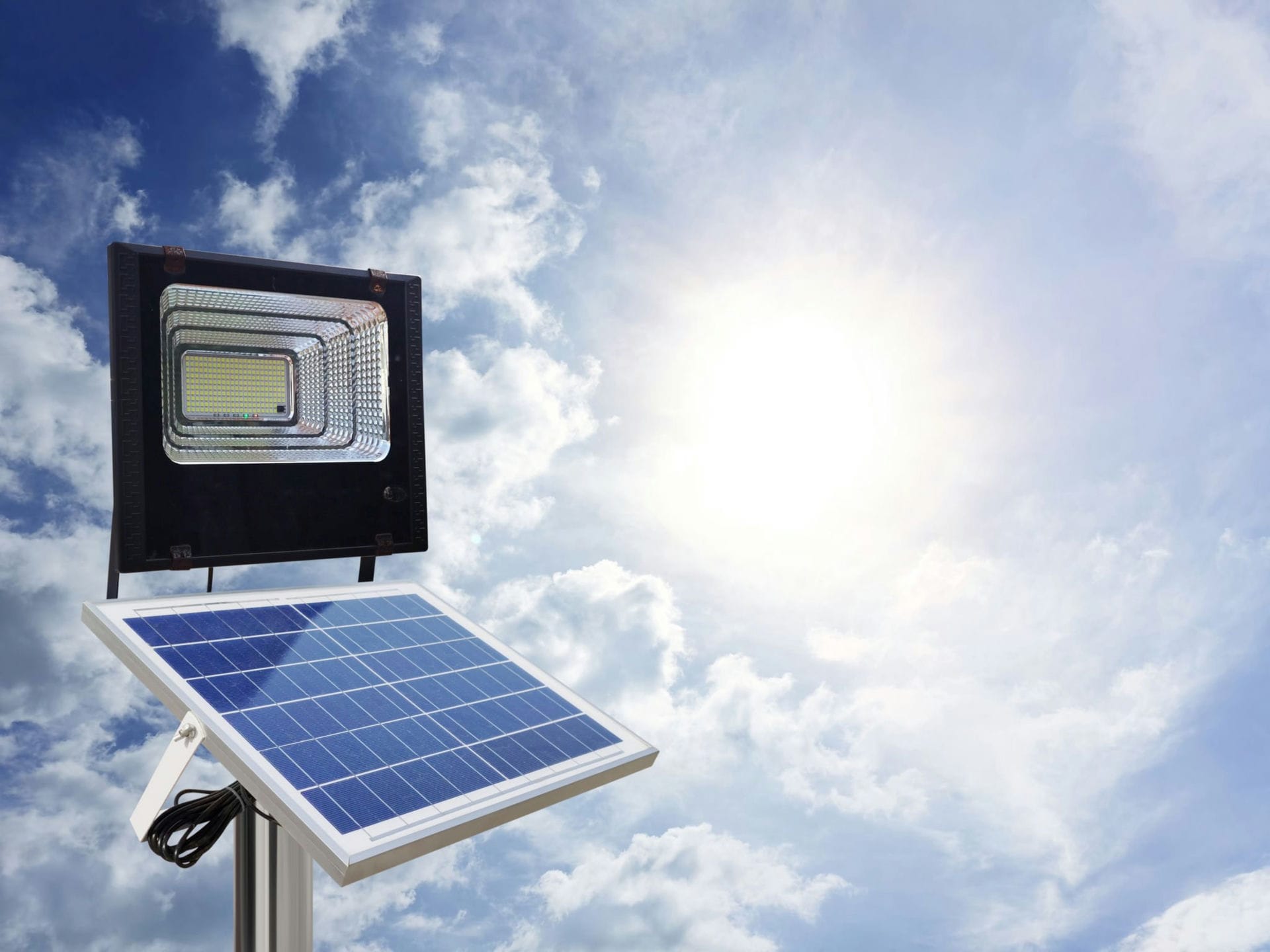
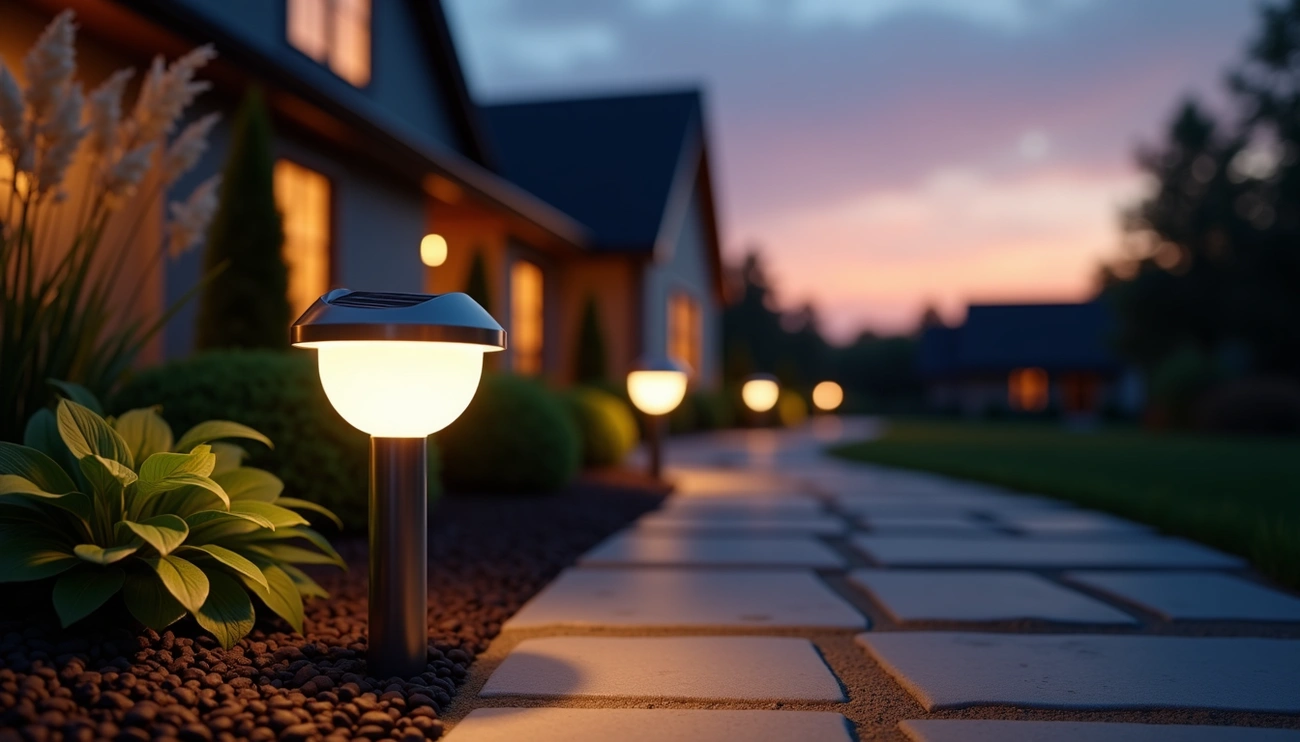
Solar lights work at night by storing energy in rechargeable batteries during the day through photovoltaic panels. A built-in light sensor detects darkness at dusk and automatically turns on the LED light. The stored solar energy then powers the LEDs throughout the night until the battery charge decreases.
How Do Solar Lights Work: The Complete Process
Solar lights operate through a three-stage cycle that converts sunlight into usable nighttime illumination. This process relies on photovoltaic conversion, battery storage, and automated sensor controls working in coordination.
Energy Collection During the Day
Solar panels use a principle called photovoltaic conversion to transform sunlight into electrical energy. The panels contain photovoltaic cells made from silicon, a semiconductor material that reacts when exposed to solar radiation. When sunlight strikes these cells, it energizes electrons within the silicon, causing them to break free from their atoms and flow through the material. This movement of electrons generates direct current (DC) electricity.
A single solar cell produces a maximum of 0.45 volts. Consequently, most solar lights wire multiple cells together in series to reach the required voltage. A typical yard light uses four cells connected in series to produce 1.8 volts and approximately 100 milliamps in full, bright sunlight.
The efficiency of energy collection depends heavily on sunlight exposure. Direct sunlight allows panels to capture maximum energy, while shaded areas or overcast weather limit performance. Modern solar lights can absorb sunlight even during cloudy conditions, though the energy captured is lower compared with sunny days. The solar cells charge batteries throughout daylight hours, with the charging process starting as soon as the first rays of morning sun hit them.
Energy Storage in Batteries
Rechargeable batteries serve as the storage system that enables solar lights to function after sunset. During the day, electrical energy collected by solar panels is converted into chemical energy and stored in these batteries. When the lights activate at night, a chemical reaction called electrolysis converts the stored chemical energy back into electrical form to power the bulbs.
Two battery types dominate solar lighting applications. Nickel-metal hydride (NiMH) batteries are reliable, affordable, and suitable for smaller lights such as garden markers. Lithium-ion batteries offer superior performance, storing more energy, recharging faster, and lasting longer. These qualities make lithium-ion batteries ideal for larger or brighter lights like security models. In commercial applications, LiFePO₄ batteries are commonly used due to their long cycle life, stable chemistry, and predictable discharge behavior.
Battery capacity, measured in milliamp-hours (mAh), determines how long a light can remain illuminated during the night. A fully charged Nicad battery can operate an LED for approximately 15 hours. Higher capacity batteries ensure steady performance even during winter when days are shorter. A solar charge controller prevents battery overcharging during sunny days and manages charging voltage and current.
Automatic Light Activation at Night
Solar lights include a photoresistor or similar sensor that detects ambient light levels. During daylight, this sensor keeps the light switched off to conserve energy. As darkness falls and ambient light decreases to a specific threshold, the sensor signals the controller circuit to activate. The controller then draws energy from the charged battery and sends it to the LED, making it glow.
This automatic system operates without manual intervention. The photoresistor prevents current from flowing to the LED during the day, ensuring all collected energy goes toward charging the battery. When night arrives and light dims, the photoresistor detects this change and triggers the controller to draw power from the battery and illuminate the LED. This automated process is called the dusk-to-dawn function. At dawn, when ambient light increases, the lights turn off and the cycle begins again with solar cells converting sunlight into electricity.
Key Components That Make Solar Lights Work at Night
Five core components work together to enable solar lights to function reliably after dark. Each part plays a specific role in the energy conversion and illumination process.
Solar Panel
The solar panel captures sunlight and transforms it into electrical energy through photovoltaic cells. These cells are typically made from silicon, a semiconductor material with excellent photovoltaic properties. Most panels use either monocrystalline or polycrystalline silicon technology. Monocrystalline panels consist of single-crystal silicon cells, offering high efficiency and a sleek appearance. The panel’s efficiency determines how much energy can be stored for nighttime use.
Material quality directly affects performance. High-quality materials like monocrystalline silicon increase efficiency by capturing more sunlight and converting it into electricity. Additionally, the size and surface area matter. Larger panels with greater surface area capture more sunlight, generating more power. Proper installation angles and positioning to face the sun maximizes sunlight exposure and energy capture.
Rechargeable Battery
Batteries store electrical energy generated during the day and release it to power lights at night. Several battery types are used in solar lighting systems, each with distinct characteristics.
Nickel-metal hydride (NiMH) batteries are commonly recommended for solar lights because they’re environmentally friendly, energy-efficient, and durable enough to withstand outdoor environments. They don’t contain toxic heavy metals and have high capacity. NiMH batteries can sustain up to 2,000 charging and discharging cycles.
Lithium batteries are the most common types for solar LED street lighting. They sustain almost 4 times discharge and can live up to 5 times longer than lead-acid batteries. Lithium batteries can substantially sustain up to 2,000 cycles. LiFePO4 batteries provide a long lifespan, improved safety, and exceptional stability.
Battery capacity affects how long lights operate at night. Deep cycle batteries have cycle times 2 to 3 times higher than automotive batteries and can extend for up to 3,000 cycle times.
LED Light Source
LED bulbs serve as the light source in solar fixtures. LEDs are favored for their energy efficiency and longevity, providing bright illumination while consuming minimal power. They can last up to 50,000 hours, reducing the need for frequent replacements. LEDs convert more electricity into light and less into heat, making them more efficient. They operate natively on DC power, which is produced by solar panels and available naturally with the battery’s output, eliminating the need for converters.
Light Sensor and Controller
The controller acts as the brain center of solar LED lights, controlling the normal operation of three components: battery, solar panel, and LED. The photocell or light sensor detects light levels and turns the light on at dusk and off at dawn. This gives users peace of mind knowing that the light operates autonomously.
The controller regulates battery charging to avoid overcharging or undercharging. It monitors the voltage and current of the battery in real time, then makes different adjustments based on the received data.
Protective Housing
The housing protects internal components from environmental factors like rain, snow, and dust. Housing materials are typically made from durable substances such as polycarbonate or aluminum. These materials are chosen for their weather-resistant properties, ensuring solar lights withstand harsh outdoor conditions without compromising functionality.
Why Solar Lights Turn On Automatically at Night
Automatic nighttime operation relies on three interconnected processes that detect darkness, manage power flow, and release stored energy. Understanding these mechanisms explains how do solar lights turn on at night without human intervention.
The Light Sensor Mechanism
A light-dependent resistor (LDR), also called a photoresistor, constantly measures ambient light conditions around the fixture. This component changes its electrical resistance based on light intensity striking its surface. When bright light hits the sensor, resistance drops and allows current to flow easily. As evening approaches and light fades, resistance increases dramatically.
High-quality photoresistors achieve sensitivity ratios up to 1500:1, meaning they clearly differentiate between dark and bright conditions. This wide range ensures reliable detection of nightfall. The LDR is typically made from semiconductor materials like cadmium sulfide, which react to photons by generating electron-hole pairs that alter conductivity. When light disappears, these charge carriers recombine and resistance returns to its dark-state level.
Some systems skip the separate LDR and monitor solar panel voltage instead. When panel voltage stays above a threshold, the controller keeps LEDs off. At night, panel voltage drops because it stops generating power, and the controller interprets this as darkness.
Controller Circuit Operations
The controller functions as the beating heart of solar power systems, switching on and off the lighting and charging functions. It monitors battery voltage and current plus solar panel voltage in real time, then makes adjustments based on received data.
This circuit adjusts LED output according to voltage changes, enabling induction dimming in solar lamps. Furthermore, it provides overcharge protection, high voltage protection, and low voltage protection. The controller prevents battery discharge back to the solar panel at night, which would waste stored energy. It includes short circuit and open circuit protection for LED output.
When the photoresistor detects sufficient darkness by crossing a preset resistance threshold, it signals the controller to switch modes. The controller opens the electrical path from battery to LED, allowing current to flow.
Battery Power Release
Solar panels stop generating electricity after sunset because photovoltaic cells need sunlight to function. At this point, the battery assumes control. The battery releases stored energy in a controlled flow throughout the night, ensuring consistent illumination. This regulated discharge protects the LED from power fluctuations while maintaining steady brightness until dawn.
Common Reasons Why Some Solar Lights Don’t Work at Night
Solar lights fail for predictable reasons that stem from component degradation, environmental interference, or improper installation. Identifying these issues helps restore functionality.
Insufficient Sunlight Exposure
Most solar lights need 6-8 hours of direct sunlight to charge fully. Direct exposure makes the difference. Lights positioned under tree branches, behind fence shadows, or charging through windows receive only 30-50% of required energy. For every hour of quality sunlight, you get roughly 2-3 hours of illumination. If your light receives just 3 hours of partial sun, expect about 5 hours of weak light at best. Short winter days compound this problem. Cloudy, rainy, or snowy weather reduces sunlight intensity, which lowers solar panel conversion efficiency. In winter, weaker sunlight combines with shorter daylight hours, preventing batteries from charging fully.
Dead or Degraded Batteries
Rechargeable batteries endure constant charge-discharge cycles. After 300-500 cycles, roughly 2-3 years for NiMH batteries, their capacity diminishes. A battery that once held enough charge for 10 hours might now manage only 2-3 hours. Cold weather accelerates battery death. Leaving lights outdoors during freezing winters without removing batteries can permanently damage them. Lithium-ion batteries particularly lose performance in freezing conditions.
Dirty Solar Panels
Dust, pollen, bird droppings, and morning dew residue create an invisible film on panels. Studies show dirty panels can lose 10-25% of their efficiency. In fact, dirt buildup can slash efficiency by up to 50% compared to clean panels. Even a thin layer of dust causes noticeable drops in energy production. Rain alone doesn’t fully clean panels, especially when grime has built up over time. One study in North Carolina tracked a 10-15% efficiency loss when regular cleaning wasn’t performed.
Faulty Light Sensors
Light sensors detect when darkness arrives to activate your lights. The sensor might be obstructed by dirt, spider webs, or nearby light sources. Lights placed near streetlamps, porch lights, or bright indoor lighting confuse the sensor. The sensor thinks daylight persists and never triggers activation.
Wrong Placement Location
Solar yard lights work best with full sun exposure. Placing them under trees, near buildings, or in shaded corners prevents proper charging. Installing them close to artificial light sources also interferes with the sensor, making the unit think it’s still daytime. Charging through glass, such as in greenhouses or conservatories, greatly lessens charging ability.
Extreme Weather Impact
Prolonged exposure to heat, cold, rain, and snow damages internal parts or reduces battery efficiency. Snow accumulation on panels obstructs sunlight and hinders energy generation. Heavy snowfall can physically damage panels, reducing efficiency and lifespan.
How to Fix Solar Lights That Won’t Work at Night
Troubleshooting begins with systematic checks of each component. These fixes address the most common failures and restore functionality in minutes.
Check and Clean the Solar Panel
Turn off the light and remove loose debris with a dry microfiber cloth. Mix mild dish soap with warm water, then wipe the panel surface using gentle circular motions. Morning or evening hours work best for cleaning since the ideal panel temperature sits between 60-70°F. Rinse with clean water and dry immediately to prevent water spots that block sunlight. Clean panels every 6-12 months, or more frequently in dusty environments[252].
Test and Replace the Battery
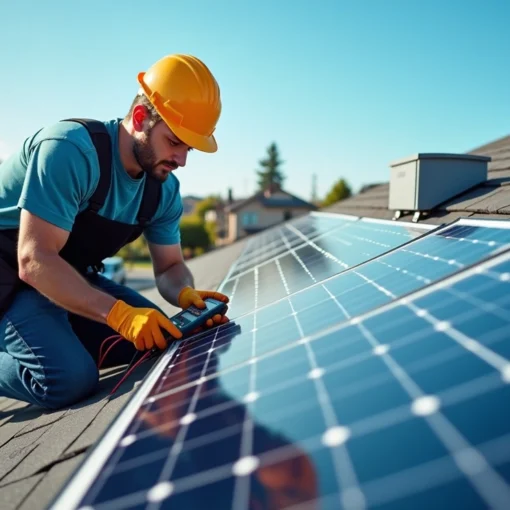
Open the battery compartment and check the battery orientation before removal. Use a multimeter to test voltage. A fully charged NiMH battery should read 1.2-1.4V. Replace batteries every 2-3 years as rechargeable batteries endure approximately 300-500 charge cycles. Clean any corrosion on terminals with vinegar on a toothbrush before inserting new batteries.
Verify Light Sensor Function
Cover the solar panel with a dark cloth to simulate nighttime. The light should activate within seconds if the sensor functions properly. Clean the sensor lens monthly with a microfiber cloth and isopropyl alcohol. Ensure sensors face away from artificial light sources like porch bulbs.
Relocate for Better Sun Exposure
Position lights where they receive 6-8 hours of direct sunlight daily. Trim overhanging branches that cast shadows. Angle panels southward in the Northern Hemisphere. Avoid charging through glass as double-glazed windows prevent proper charging.
Conclusion
You now have everything you need to understand how solar lights work at night and why some fail to perform. The process is straightforward: solar panels collect energy during the day, batteries store it, and sensors trigger automatic activation after sunset.
On balance, most solar light failures stem from simple issues like dirty panels, worn-out batteries, or poor placement. The good news? These problems are easily fixable. Clean your panels regularly, replace batteries every 2-3 years, and ensure your lights receive 6-8 hours of direct sunlight.
If your solar lights aren’t working, don’t toss them out. Run through the troubleshooting steps above, and you’ll likely restore them to full brightness in no time.