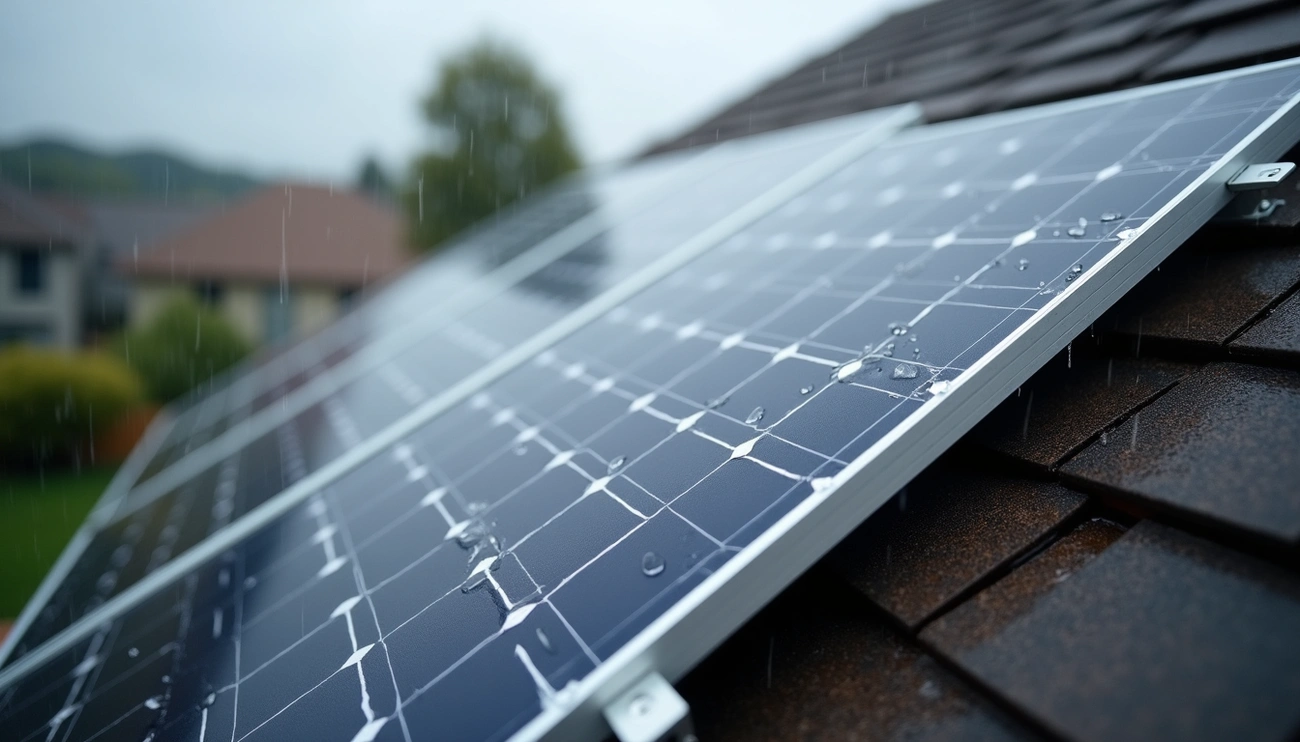
Rain does not effectively clean solar panels. Rain can wash away light, loose dust but cannot remove stuck grime, bird droppings, or pollen. These residues reduce performance. Clean solar panels manually or with a professional service 1–2 times per year to maintain up to 15–25% higher efficiency.
How Rain Actually Cleans Solar Panels
The Natural Cleaning Process
Rain removes dirt from solar panels through two primary mechanisms: mechanical action and chemical dissolution. Water droplets strike the panel surface and collect loose particles like dust, pollen, and light organic matter. Gravity then pulls this water downward across the panel face, carrying debris along with it.
Water also acts as a solvent for many common contaminants. Salt deposits, water-soluble dirt, and organic residues dissolve or loosen when exposed to sufficient moisture over time. The mechanical action of flowing water carries these dissolved particles away from the panel surface. Temperature fluctuations during rain events contribute to cleaning effectiveness as well. Thermal expansion and contraction help loosen debris that has adhered strongly to the glass surface.
However, rainwater itself isn’t pure. In urban and industrial areas, rain mixes with airborne pollutants, dust, and minerals. When this contaminated rainwater evaporates, it leaves behind stains that reduce light absorption.
Does Heavy Rain Clean Solar Panels Better?
The cleaning effectiveness depends heavily on rainfall intensity and duration. Light drizzle doesn’t generate sufficient water flow to remove stubborn particles, while moderate to heavy rainfall creates better washing action.
Proper water flow across panel surfaces can restore significant portions of lost efficiency caused by surface contamination. Yet even heavy rain has limitations. Rainwater lacks the necessary pressure to remove layers of dirt such as bird droppings or buildup from previous rainfall. These residues can reduce a panel’s efficiency significantly.
Research from the National Renewable Energy Laboratory found that performance decreased by as much as 15% during peak pollen season. Even after the pollen season ended, performance did not return to previous levels despite frequent rains.
Installation Angle and Water Flow
Rainfall works best on panels installed at angles between 15-40 degrees, where gravity assists water movement across the entire surface. A minimum tilt of 5 to 10 degrees allows rainwater to run off effectively, washing away dust, pollen, and other debris.
Panels mounted at under 10 degrees are less likely to remain clean from rain alone. Flat or low-angle installations experience water pooling, reducing the self-cleaning benefits that sloped panels enjoy. When panels are laid at very low angles, rainwater pools at the bottom edge or even on the glass itself.
Tilt plays a dual role beyond energy production. When panels sit at an angle, rainwater naturally flows off the surface, carrying away debris that would otherwise accumulate and hinder performance. This reduces the frequency and cost of manual cleaning needed.
When Rain Isn’t Enough: Limitations You Should Know
Types of Dirt Rain Cannot Remove
While rain provides some cleaning benefits, relying on it exclusively creates performance problems. Bird droppings contain digestive fluids that bake onto panel glass and resist removal even during heavy downpours. The acidic composition etches the anti-reflective coating over time, permanently impairing sunlight absorption.
Tree sap and mineral deposits from hard water create stubborn residues requiring mechanical removal or specialized cleaning solutions. In urban and coastal areas, rain can actually distribute oils from the atmosphere onto panel surfaces instead of removing them. This creates non-uniform soiling that reduces light capture ability. Pollen mixed with morning dew forms dense layers that bond with humidity.
Geographic and Climate Factors
Geographic location dramatically affects whether rain provides adequate cleaning. Panels in arid climates may lose 15-25% efficiency without regular cleaning. Regions experiencing drought conditions cannot depend on natural precipitation for maintenance.
Air quality directly determines rain’s effectiveness. In high-pollution areas, rainwater deposits additional contaminants on panel surfaces rather than cleaning them. Acid rain leaves mineral residues reducing panel transparency. Studies show soiling can reduce efficiency by 5-15% or greater, depending on location and climate.
Do Solar Panels Work on Rainy Days?
Panels generate power using direct or indirect sunlight, though they perform best in direct conditions. On cloudy days, panels operate at around 10-25% of maximum efficiency. Rain reduces output temporarily due to decreased sunlight, but panels continue producing clean energy.
Seasonal Challenges That Affect Cleaning
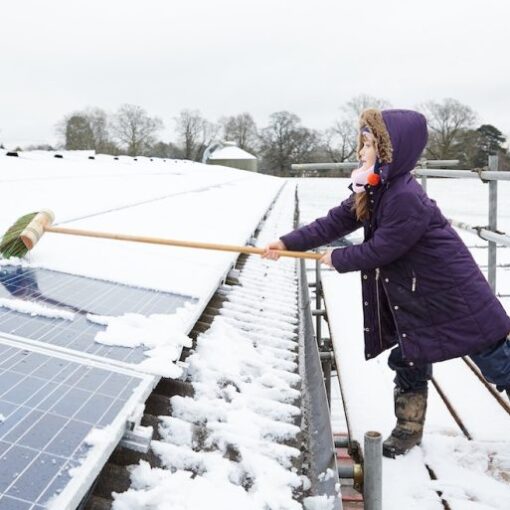
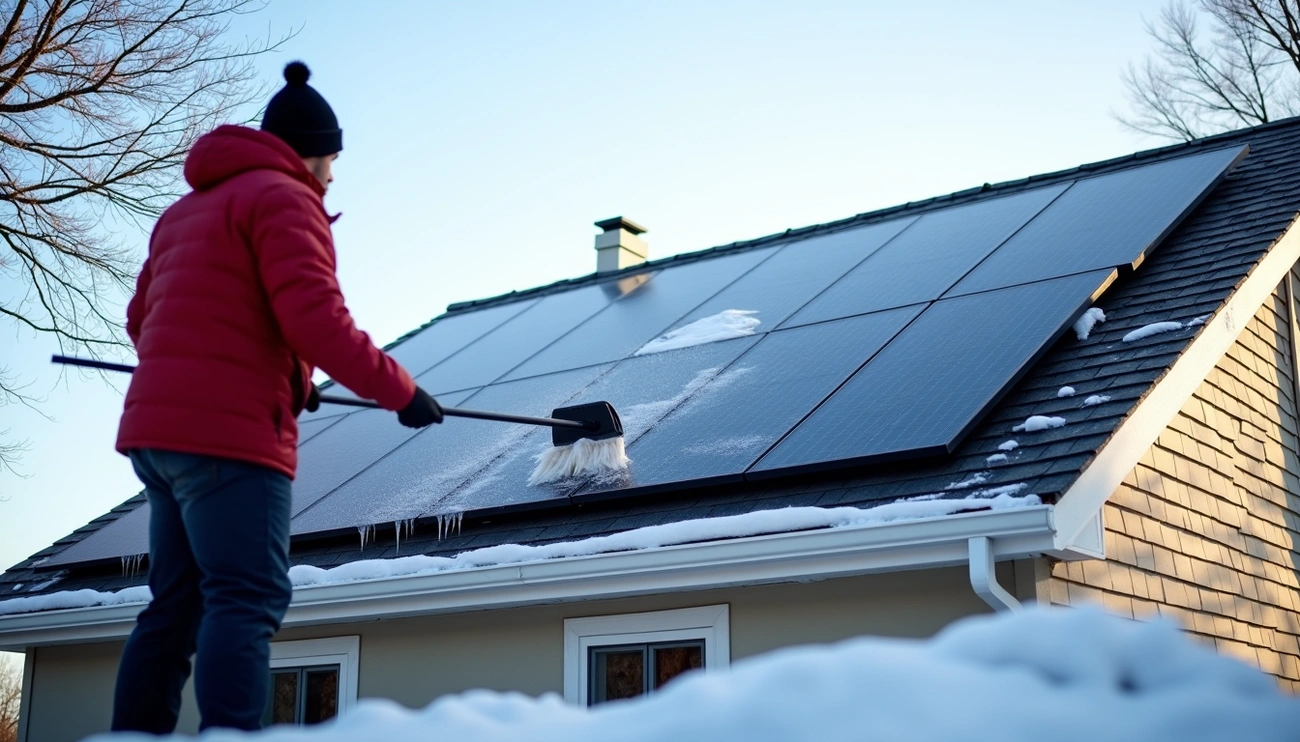
Spring pollen seasons overwhelm rain’s cleaning capacity. Winter conditions freeze water on panels before effective cleaning occurs. Fall brings leaf debris and organic matter that rain cannot adequately address. Salt spray in coastal regions builds up despite rainfall, requiring more frequent professional attention.
Proper Cleaning Methods for Solar Panels
Manual Cleaning: DIY Approach
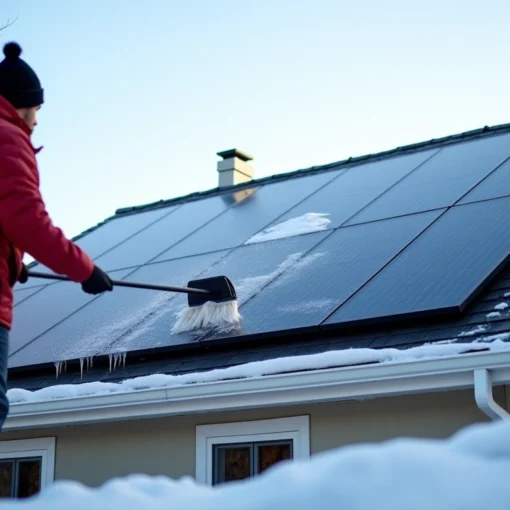
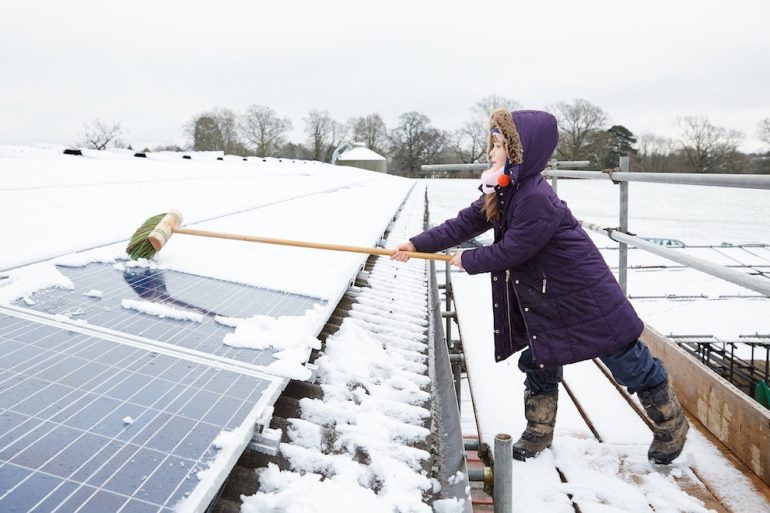
Cleaning panels resembles washing windows, requiring similar tools and techniques. The process involves basic supplies: a soft-bristle brush with long extension, garden hose with gentle spray nozzle, bucket of lukewarm water, and mild detergent.
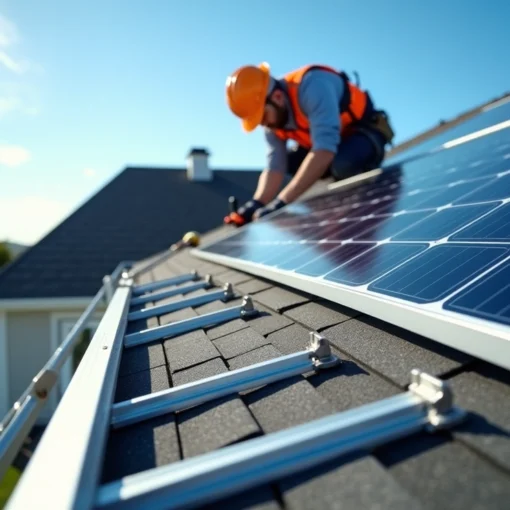
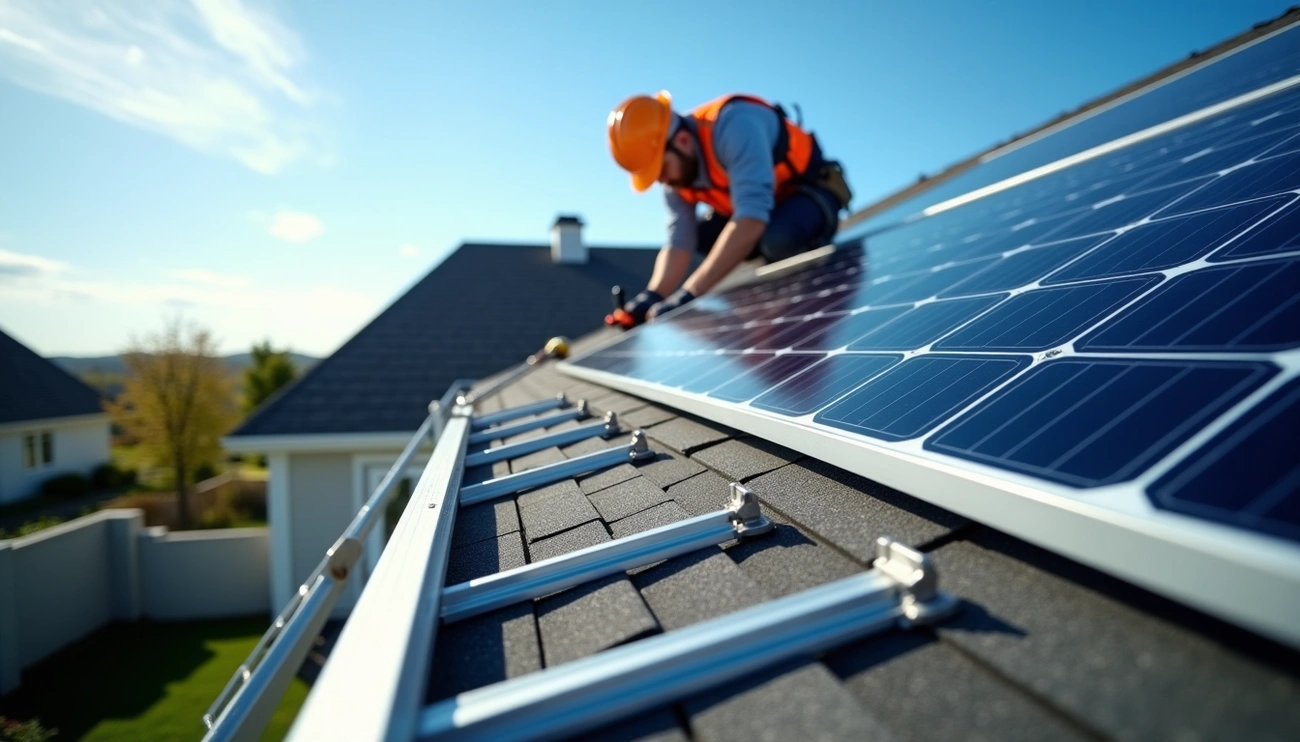
Safety takes priority when accessing rooftop installations. Working at heights without proper equipment creates significant risks. If you lack roofing experience, professional services provide safer alternatives. For ground-mounted systems, the DIY approach works effectively since you avoid climbing.
Timing matters for optimal results. Clean during early morning or late evening when panels are cooler. Hot panels experience thermal shock from cold water application, potentially causing cracks.
The cleaning process follows these steps: deactivate your system first, rinse panels to remove loose debris, apply mild soapy water with a soft brush, then rinse thoroughly to eliminate soap residue. Never use abrasive materials or harsh chemicals, which scratch protective coatings.
Professional Cleaning Services
Professional cleaners bring expertise that prevents panel damage during maintenance. They use specialized equipment including purified water systems and non-abrasive tools designed specifically for solar applications. Safety training qualifies them to work at heights following strict protocols.
Professional cleaning costs range from $100 to $350, depending on system size and location. Services often include inspection for cracks, loose connections, or wear during the cleaning process.
When to Schedule Cleaning
Clean panels every 6 to 12 months as a general guideline. Most systems benefit from twice-yearly cleaning, typically spring and fall. In contrast, dusty or high-pollution areas require quarterly attention.
Late fall provides optimal timing because panels accumulate maximum debris during spring and summer months. Ash from fire season often deposits during summer and early fall.
Tools and Products to Use
Water-fed brushes rank among the best tools for residential and commercial installations. Soft bristles protect valuable anti-reflective coatings while removing contaminants. Pure water systems clean panels without soap, preventing residue that attracts more dirt. Mild biodegradable soap like Dawn dish soap works effectively when needed, though thorough rinsing removes performance-affecting residue.
Maintaining Solar Panel Performance Year-Round
Monitoring Your System’s Efficiency
Tracking your solar array’s output helps identify problems before they escalate into costly repairs. Real-time monitoring provides insights into energy production patterns and alerts you when performance deviates from expected levels. Modern monitoring platforms can inform operators of abnormal conditions and faults that require immediate attention, issuing alarms by email or text messages.
Most systems include monitoring through display panels, websites, or smartphone apps. Sensor-based monitoring collects real-time data from panels, cloud-based systems store information accessible anywhere with internet connection, and smartphone apps provide instant performance updates. Watch for sudden drops in energy production, which signal issues like panel soiling or equipment failure. Inverter faults or error codes indicate problems such as overheating requiring immediate troubleshooting.
Do Solar Panels Work on Cloudy Days?
Panels generate electricity on cloudy days using diffuse sunlight, though output drops significantly. Expect them to produce 10-25% of normal power output, depending on cloud thickness. Light cloud cover allows panels to maintain 76.20% effectiveness, while heavy clouds reduce generation to around 33.25% of rated capacity.
Panels rely on daylight rather than direct sunlight or heat. Solar cells absorb both direct radiation from clear skies and diffuse radiation scattered through clouds. Rain actually helps panels operate efficiently by washing away dust and dirt.
Conclusion
Rain does clean solar panels to some extent, but relying on it exclusively puts your investment at risk. Heavy rainfall works better than light drizzle, yet neither can remove bird droppings, tree sap, or mineral deposits that reduce efficiency by up to 25%. All things considered, we recommend combining natural rain with manual or professional cleaning every 6-12 months. Monitor your system regularly to catch performance drops early, and you’ll maximize energy production year-round.