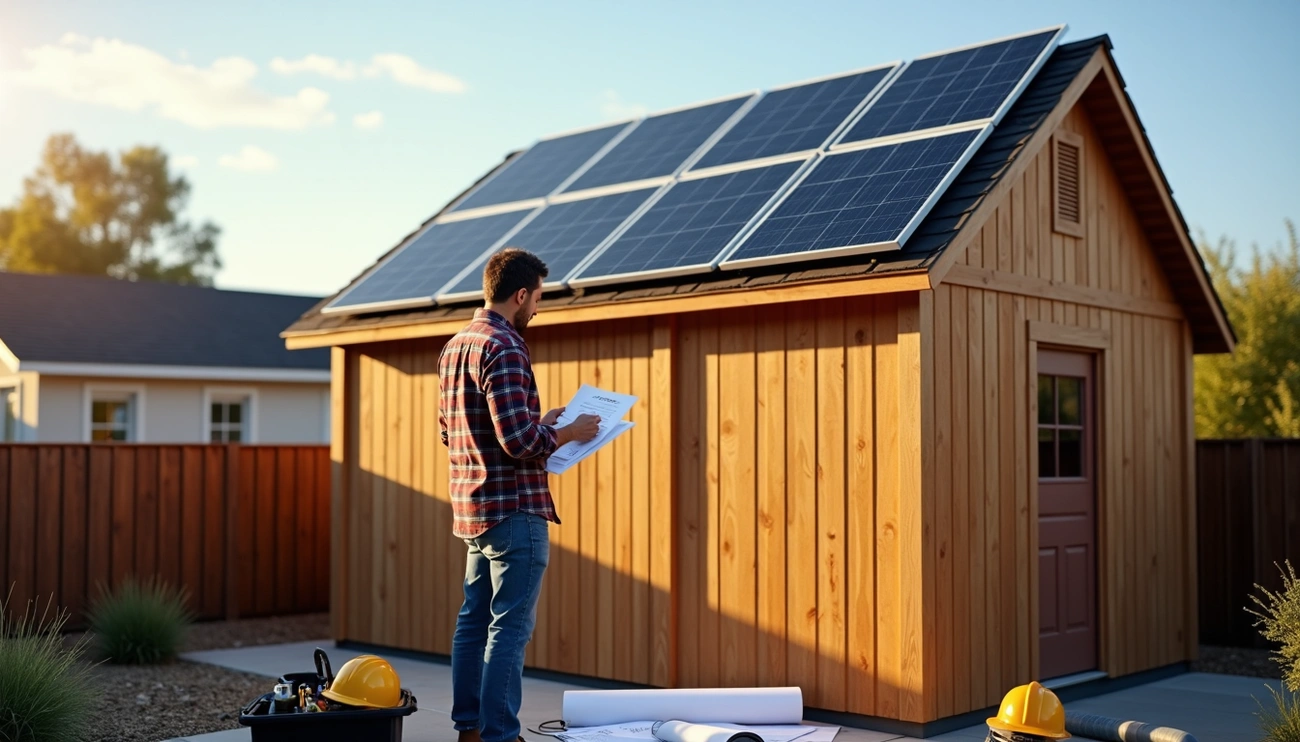
Yes, you need a permit for solar panels on a shed in most cases. Solar panel installations involve electrical wiring and structural attachment to the building. Local building departments often require electrical or building permits to ensure safety, code compliance, and proper connection of the solar system.
When Do You Need a Permit for Solar Panels on a Shed?
Permit requirements hinge on several interconnected factors that vary significantly based on where you live and what you’re building. I’ve found that most shed owners get caught off guard by rules they didn’t know existed.
Local Building Codes and Zoning Requirements
Your municipality determines whether you need a permit for solar panels on a shed. Some jurisdictions mandate permits for any solar installation, while others create exemptions for specific scenarios. Zoning permits ensure solar panels comply with local land-use laws and become particularly important in historic districts and neighborhoods with homeowners’ associations.
In New York State, participating municipalities use an expedited permitting process for systems mounted on legal accessory structures, provided the installation doesn’t need a zoning variance or special use permit. The process issues permit determinations within 14 calendar days upon receipt of complete applications. In reality, every solar installation requires a construction permit from your local municipality building department, covering both building and electrical applications.
System Size and Power Output Thresholds
System capacity plays a significant role in permitting decisions. New York’s expedited process applies to installations with a rated capacity of 12 kW or less. Many DIY users operate small 12V or 24V systems below 1 kW, which are often exempt but still recommended to follow local electrical safety codes.
For instance, Colorado caps permitting fees at $500 for residential solar projects and $1,000 for commercial installations. Smaller systems may have reduced or waived permit requirements, though verifying local thresholds remains necessary before installation begins.
Grid-Tied vs Off-Grid Solar Installations
Connecting solar panels to the main power grid typically requires permits, as it involves compliance with safety and utility regulations. The majority of residential solar panel systems interconnect with the public utility grid, so arrays must meet all electrical codes to prevent dangerous accidents. Grid-tied systems need electrical permits obtained after installation and before approval for use.
Off-grid systems, especially low-capacity ones, might not need permits depending on your jurisdiction. However, California law requires permits for most off-grid solar systems, and local building departments have regulations regarding electrical system installations that apply to off-grid solar setups.
Structural Modifications and Load Capacity
Shed structures must support the additional weight solar panels introduce. A solar panel array can easily add 1,000 pounds of pressure to your roof. Before installing a solar system, you must hire a Professional Engineer or Registered Architect to verify your building’s structural system can maintain the equipment weight.
In New York, systems must have a distributed weight of less than 5 pounds per square foot and less than 45 pounds per attachment point to the roof. If installations exceed these parameters, you must provide a letter from a Professional Engineer or Registered Architect certifying the existing structure can support the additional weight and wind loads. The American Society of Civil Engineers provides guidelines for structural design, considering factors like wind and snow loads.
California-Specific Permitting Rules
California enforces stringent permitting requirements. Designs and electrical installation plans must meet Building Department standards for approval. DIY solar panel systems require thorough understanding of regulations outlined in California’s solar permitting guidebook, including compliance with Title 24 of the California Code of Regulations covering building standards.
California’s legal framework for off-grid solar systems operates under both state and local regulations. At the state level, the California Building Standards Code and the National Electrical Code set standards for safety, installation, and operation. Local jurisdictions may have specific zoning laws affecting where solar panels can be placed or restrictions on certain battery types.
When You Might Not Need a Permit
Not every solar installation on a shed triggers permitting requirements. Certain scenarios qualify for exemptions, though these vary widely based on jurisdiction and installation specifics.
Small-Scale Off-Grid Systems Under 1 kW
In California, small off-grid solar systems designed for portable or backup use may not require a permit. Systems with limited electrical output often fall below regulatory thresholds. For example, if you install a small system for camping or powering small appliances, a permit may not be necessary.
However, larger systems that provide significant power to an entire building or structure will almost always require permits. The distinction centers on capacity and purpose. Systems under certain wattage thresholds may not need permits, though this varies by jurisdiction. I recommend verifying your specific local threshold before installation.
Portable and Temporary Solar Setups
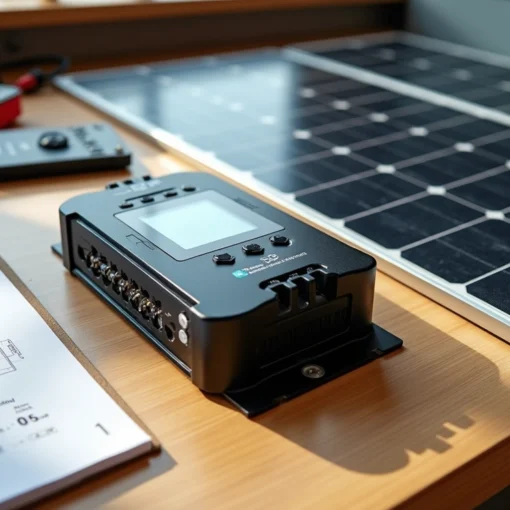
Portable or temporary ground systems frequently qualify for permit exemptions. A 12V system generally gets considered “hobby” classification, so permits usually aren’t needed. These setups include configurations like a single panel with a PWM controller and 12V battery used for emergency ham radio, LED landscape lighting, or laptop charging.
The key factor is independence from the main 120V house system. Standalone shed or outbuilding power installations may not require permits, particularly when they operate as completely separate electrical systems.
Non-Permanent Shed Structures
Movable installations often bypass permitting requirements. You can sometimes use a pallet rack or similar “movable” rack for panels, as jurisdictions generally don’t consider these permanent structures. Panels that attach to brackets saddling the roof ridge without penetration may also avoid triggering permit requirements.
The temporary nature matters more than the actual installation. So long as the setup can be relocated without structural modifications, many building departments classify it differently than permanent installations.
Pre-Approved Solar Panel Kits
Some manufacturers offer pre-approved solar panel kits designed to meet standard building codes. These kits come with documentation demonstrating compliance with safety standards, potentially streamlining or eliminating local permit requirements in certain jurisdictions.
Given these points, exemptions typically apply to low-voltage, portable, or temporary installations. But assumptions can cost you. Roof-mounted systems raise structural concerns, and systems connected to house wiring typically require permits. Battery storage also falls under fire code requirements in most areas.
Always check with your local authority having jurisdiction before assuming exemption. What qualifies as permit-exempt in one county may require full permitting in the next.
How to Check Permit Requirements in Your Area
Verifying permit requirements before installing solar panels on your shed saves you from costly mistakes and legal headaches. Each jurisdiction operates under different regulations, so confirming your specific obligations becomes the first step toward a compliant installation.
Contact Your Local Building Department
Your city or county building department serves as the most reliable source for permit information. Local governments have different rules pertaining to permitting and inspection, with details and fees varying across jurisdictions. I recommend starting here because they provide definitive answers specific to your location.
You can visit their website for solar permit guidelines, call or email to ask about small-scale installations, or check if they maintain an online permit application portal. Many states, including Delaware, Maryland, New Jersey, and Virginia, allow homeowners to apply for solar installation permits online. The submission process typically involves creating an account with your local building enforcement, paying an application fee, and submitting all required documentation.
Depending on the agency and your location, the review process may take one to four weeks. In some Florida jurisdictions, homeowners can pull their own permits and act as their own contractor under Florida Statute 489.103(7), provided the property is in the homeowner’s name and serves as their primary residence.
Use Online Resources Like SolarAPP+
SolarAPP+ is a web-based platform that automates solar and solar plus storage permitting for local governments. This platform streamlines the approval process for qualifying installations, reducing administrative burdens and potential delays.
Beyond SolarAPP+, several databases provide comprehensive permit information. The Database of State Incentives for Renewables & Efficiency (DSIRE) lists regulations and incentives for each U.S. state. Search for “[your city] solar permit requirements” to find location-specific rules. Some regions publish open-access building code portals or regional databases containing structural and energy system guidelines.
The Solar Energy Industry Association maintains a state-by-state database you can reference if local government websites lack permitting information. These resources help you understand requirements before contacting authorities directly.
Consult a Licensed Solar Installer
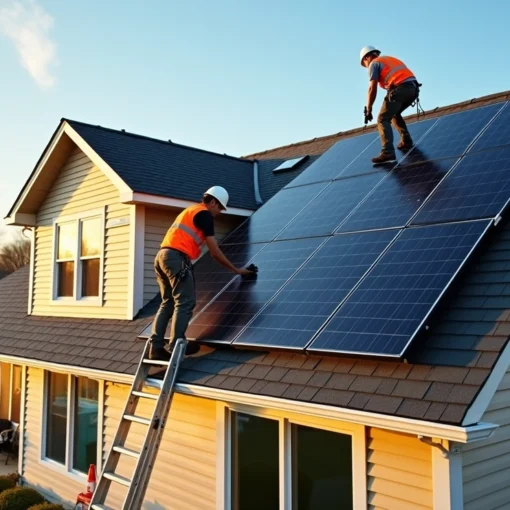
Professional solar installers possess in-depth knowledge of local permit laws and can handle the entire process for you. Working with licensed solar contractors reduces rejection risk and ensures compliance with municipal codes, safety protocols, and utility connection standards.
An approved and licensed contractor typically takes responsibility for handling permit applications, though some states allow property owners to obtain solar building permits themselves. By working with an expert in your area who understands local billing policies, you can more easily navigate this step and earn timely interconnection approval.
Many installers offer free consultations to determine whether do you need a permit for solar panels on your shed. This option proves particularly valuable for DIY solar panels California installations where regulations can be complex.
Understanding Your Shed Classification
How your municipality classifies your shed affects permit requirements. Accessory structures, permanent buildings, and temporary installations each fall under different regulatory frameworks. Roof-mounted systems raise structural concerns that require engineering approval, while non-permanent structures may qualify for simplified processes.
Confirming your shed’s legal classification prevents surprises during the application process. Some jurisdictions treat sheds as accessory structures exempt from certain requirements, while others apply the same standards as primary residences.
Steps to Get a Permit If Required
Gathering the right paperwork upfront determines whether your permit sails through or gets stuck in revision cycles. I’ve seen applications delayed for weeks simply because one document was missing or improperly formatted.
Prepare Required Documentation
Thoughtfully preparing required documentation helps avoid costly revision cycles and expedites permit approval. Your application package typically includes technical documentation such as detailed site plans, single-line electrical diagrams, and structural calculations. Equipment specifications are equally important, requiring manufacturer datasheets for panels, inverters, and mounting systems.
Project narratives provide clear descriptions of installation methods and safety measures, while supporting documents include property records, contractor licenses, and insurance certificates. Before submitting, you need to finalize decisions about panel quantity and product details, optimal placement based on shade analysis, inverter capacity and location, battery storage details if applicable, and any structural building improvements necessary for solar.
Submit Your Permit Application
You’ll likely need two separate permits: one for installation and another for interconnection with the utility grid. The interconnection agreement from your energy utility verifies that the grid around your property can accommodate excess electricity you generate based on system size and power capacity.
Applications can be submitted online in many places, though in-person submissions remain required by some local building authorities. Permit fees typically equate to a few hundred dollars each and vary greatly across the country. For instance, in North Carolina, fees cover plan review and inspections, with amounts varying by location and system size.
Wait for Review and Approval
Review timelines vary significantly based on jurisdiction workload and project complexity. Residential projects typically take 2-6 weeks for standard installations, while commercial projects require 1-3 months depending on system size and complexity. Large-scale systems need 3 months or more, often requiring additional environmental or utility reviews.
Stay proactive during this phase by monitoring your application status regularly. Respond promptly to reviewer questions and document all communication with permit officials.
Schedule Required Inspections
The inspection phase requires careful coordination between installation teams and local officials. You’ll need a pre-installation check to verify all permit conditions before beginning work, progress inspections scheduled at critical installation phases, and a final inspection with a detailed checklist of requirements for final approval.
Residential inspection fees range from $200-400 for standard installations, with re-inspection fees of $100-150 if corrections are needed. Commercial inspections cost $500-1,500, scaling with system size.
Common Permit Rejection Reasons
- Missing PE structural calculations for load-bearing capacity
- Inaccurate drawings with discrepancies between site plans and electrical diagrams
- Incorrect conductor or overcurrent protection device sizing that doesn’t meet NEC 690/705 standards
- Incomplete equipment spec sheets with outdated or partial datasheets
- Fire access violations failing to account for 3-foot rooftop pathways and setbacks
- Omitted rapid shutdown details for safety compliance
- Vague labeling plans with missing or incorrectly worded safety labels
- Battery storage oversights regarding clearance, ventilation, or disconnect requirements
- Insufficient anchorage details that don’t account for local wind speeds or snow loads
- Administrative mismatches like expired contractor licenses
Conclusion
In conclusion, Yes, you usually need a permit (building and/or electrical) to install solar panels on a shed in the USA, though it varies by location, system type, and shed size.
Even off-grid setups often need electrical permits for wiring/mounting, and adding panels can trigger structural checks for roof load/wind.
Grid-tied systems almost always require permits and inspections due to utility interconnection rules and electrical safety codes.
Small off-grid systems (e.g., under ~1 kW or very low-wattage) on non-permanent/small sheds (often ≤120–200 sq ft, depending on local rules) may be exempt in some areas, especially if no structural changes or grid connection.
Best step: Contact your local building department or permitting office first—they’ll give the exact rules for your address and avoid fines, removal orders, or insurance problems. Solar on a shed is a smart move; just do it compliantly!