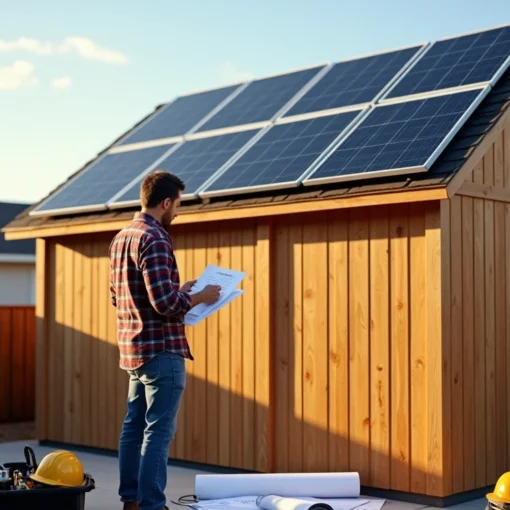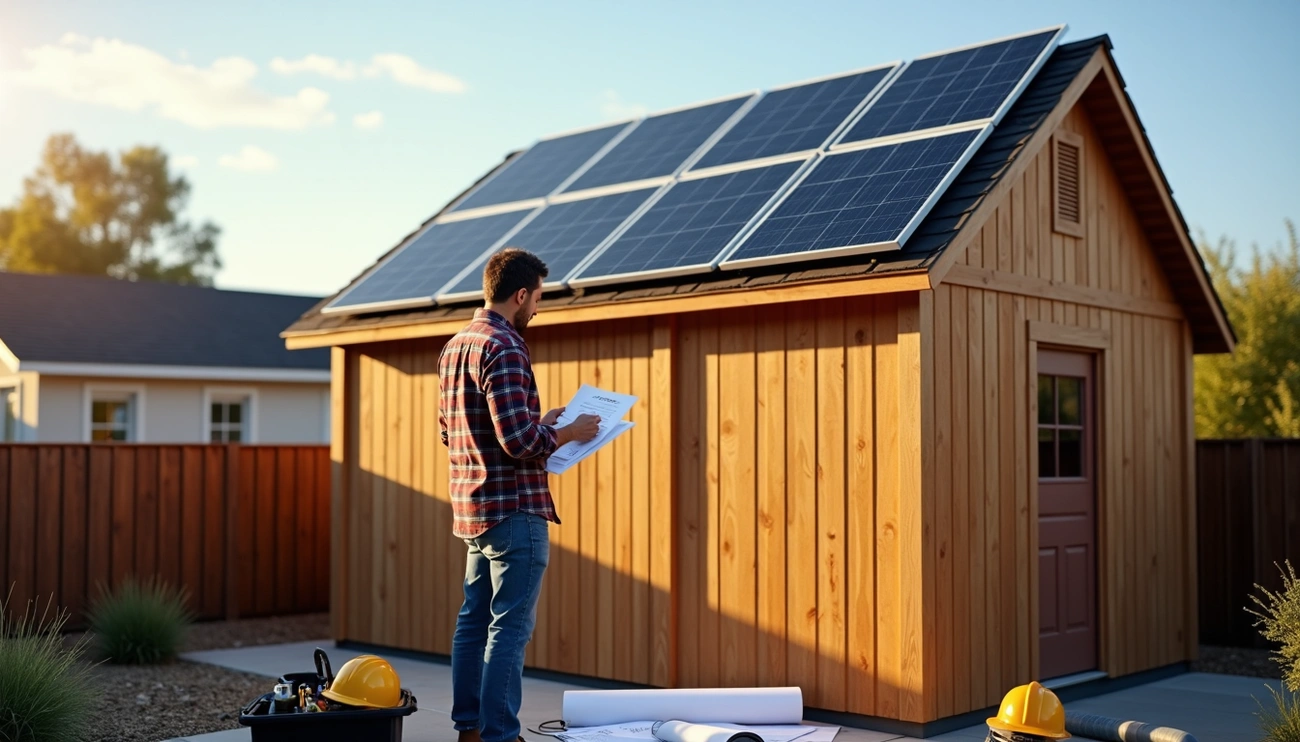
Installing solar panels does not automatically void a roof warranty. Professional installers follow manufacturer specifications to protect warranty coverage. Some roofing warranties may exclude the specific roof area under the panels. Reputable solar installers provide a workmanship warranty that covers installation issues and potential leaks.
Understanding Roof and Solar Warranties
What Your Roof Warranty Covers
Roof warranties fall into three distinct categories. Manufacturer warranties protect against defects in roofing materials themselves. If shingles crack, blister, or fail prematurely due to manufacturing flaws, the manufacturer replaces the defective materials. However, these warranties typically exclude labor costs for removal and installation.
Workmanship warranties come from your roofing contractor and cover installation errors. If leaks occur due to improper flashing, incorrect nail placement, or poor sealing techniques, the contractor handles repairs. These warranties vary by contractor, with some offering coverage from one year to lifetime.
Extended manufacturer warranties combine both material and workmanship protection. These require installation by certified contractors using complete roofing systems from one manufacturer. They often include labor costs, tear-off, and disposal expenses that standard warranties exclude.
Types of Solar Panel Warranties
Solar panel systems come with three separate warranties. Product warranties protect against manufacturing defects in panels, inverters, and other equipment. If panels develop cracks, faulty wiring, or frame defects, manufacturers provide replacements.
Performance warranties guarantee your panels maintain specific power output over time. Most manufacturers warrant that panels will produce at least 90% of original capacity after 10 years and 80% after 25 years. This accounts for natural degradation, which occurs at approximately 0.25% to 0.5% per year.
Installation warranties cover workmanship issues like improper mounting, wiring problems, or roof penetrations that could cause leaks. These warranties are held by your solar installer, not the equipment manufacturer.
How Long Do These Warranties Last
Roof manufacturer warranties typically last 25 to 50 years, with some offering lifetime coverage. Contractor workmanship warranties range from one to ten years, though premium contractors may offer longer terms.
Solar product warranties span 10 to 25 years for panels, with premium models reaching 25 years. Performance warranties standard at 25 years, though some extend to 30 years. Solar installation warranties vary significantly between companies, typically lasting 5 to 10 years.
Does Installing Solar Panels Void Roof Warranty?
The Short Answer
Installing solar panels does not automatically void your roof warranty. Most major shingle manufacturers permit solar mounts on their roofs without invalidating the material warranty, on the condition that qualified contractors install the system following manufacturer specifications. According to roofing experts, the risk isn’t the panels themselves but how installation crews handle roof penetrations.
Problems arise when installers use non-approved flashing methods, incorrect sealants, or skip required documentation. In other words, does installing solar panels void roof warranty depends entirely on workmanship and compliance, not the presence of panels.
When Your Roof Warranty Remains Valid
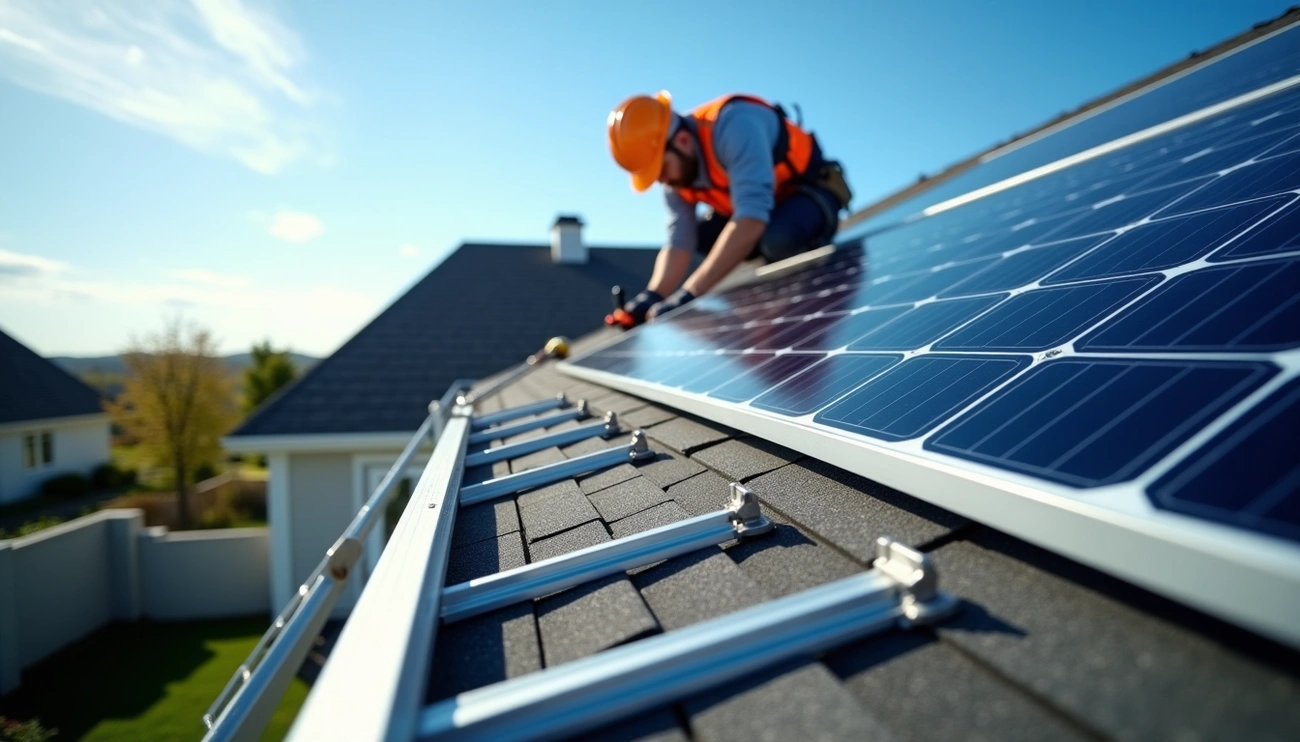
Your roof warranty stays intact when contractors follow specific protocols. Rail systems must comply with both roof manufacturer and installer instructions. Proper waterproofing and flashing around mounting points prevent water penetration that typically triggers warranty disputes.
The installation should include sealant applied into and around mounts, with roof flashing serving as an extra barrier against rain. Qualified professionals who understand roof material limitations make the difference between protected and compromised coverage.
Interestingly, solar panels can extend roof life for sections underneath them. Panels absorb heat, wind, rain, and snow that would otherwise pummel shingles directly, protecting the covered areas.
Partial vs. Complete Warranty Voidance
Roof warranties can be affected in two ways. The portion of your roof with panels may no longer receive coverage from your original warranty provider. However, your solar installer provides coverage for that specific section. In other words, your original roof warranty becomes partially voided, but your roof retains full coverage through combined warranties.
Complete warranty voidance occurs when installation errors cause damage. Poorly sealed penetrations leading to leaks are the classic warranty killer. Manufacturer warranties exclude damages from modifications unless certified professionals perform the work. Damage from foot traffic, incorrect equipment, or improper flashing installation gives warranty providers grounds to deny claims.
What Can Void Your Roof Warranty During Solar Installation
Improper Installation Methods
Not following manufacturer guidelines ranks as the easiest way to negate your roof warranty. Solar installers who skip proper protocols create problems that warranty providers refuse to cover. Common mistakes include incorrect installation of flashing at roof penetrations, using the wrong waterproof sealant, and drilling holes without considering long-term consequences.
Your warranty provider will deny claims if they determine a problem resulted from solar installation errors. For instance, installers who negligently cause damage or use improper equipment create situations where you lose coverage through no fault of your own.
Using Low-Quality Materials or Equipment
Low-quality racking systems represent a significant warranty risk. These systems often lack waterproofing characteristics or damage roof materials during installation. Additionally, inadequate fasteners can cause panels to loosen, potentially falling and damaging both your roof and modules.
The support structures must meet manufacturer specifications. Racking that doesn’t comply with waterproofing standards creates leaks that void coverage.
Damage to Roofing Materials
Installation crews sometimes break or crack tiles while working, particularly on tile roofs where improper removal techniques cause damage. Careless handling creates scratches, cracks, or wear that gives warranty providers grounds for denial. Many contractors don’t know or don’t care how to reduce risks during installation, leaving you to pay when your 25 or 50-year roof warranty becomes null.
Working on Old or Damaged Roofs
Installing panels on roofs with compromised waterproof membranes or damaged asphalt shingles can worsen existing problems. If your roof already bears damage, further work causes permanent issues that void coverage. Reputable contractors inspect roof condition first and make repairs before mounting panels.
Incompatible Roofing Materials
Cedar shake shingles break during installation on account of their fragility. Installing panels anyway provides grounds for voiding your warranty. In similar fashion, wood shake and slate roofing crack easily when installers drill or fasten mounts. Clay tile roofs require special hooks, and improper handling results in broken tiles or compromised waterproofing.
How to Protect Your Roof Warranty When Installing Solar Panels
Choose a Qualified Solar Installer
Selecting certified professionals protects your solar panels roof warranty. Look for NABCEP-certified installers who understand proper flashing, sealing, and attachment methods. Verify insurance and licensing status. Ask about their roofing experience, particularly with materials matching yours. Companies with roofing backgrounds reduce risks during installation.
Notify Your Roof Warranty Provider
Inform your warranty provider before installation begins. Some require notification to maintain coverage. Major manufacturers like GAF mandate inspections costing $600 before and after solar installation. Carlisle requires Letter of Compliance forms outlining warranty requirements. Seek written approval for your specific installation method.
Consider Roof Age and Condition
Roof age determines whether solar installation makes financial sense. Industry experts recommend replacing roofs 15 years or older before adding panels. Installing on aging roofs means paying for panel removal and reinstallation within years, costing thousands. Roofs with less than 5 years remaining life should be replaced first.
Request Proper Documentation
Obtain written confirmation from both your roofer and solar installer stating your warranty remains valid. Schedule post-installation inspections of all penetration points, mounts, and sealants. Keep copies documenting when work occurred.
Use a Combined Roofing and Solar Company
Companies handling both eliminate finger-pointing between separate contractors. You receive unified warranty coverage for roof and solar systems. This prevents disputes about whether roof or solar work caused problems.
Conclusion
Solar panels won’t automatically void your roof warranty if you handle the installation correctly. The key factors are choosing qualified, certified installers, notifying your warranty provider beforehand, and ensuring proper documentation throughout the process. Indeed, working with experienced professionals who understand both roofing and solar systems protects your investment on both fronts. Take these precautions seriously, and you’ll enjoy renewable energy benefits without sacrificing your existing roof coverage.