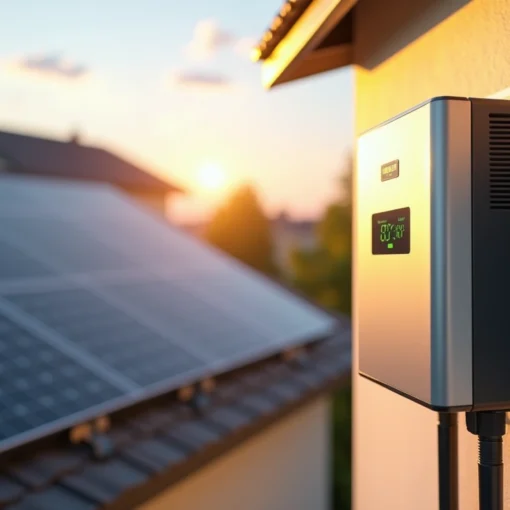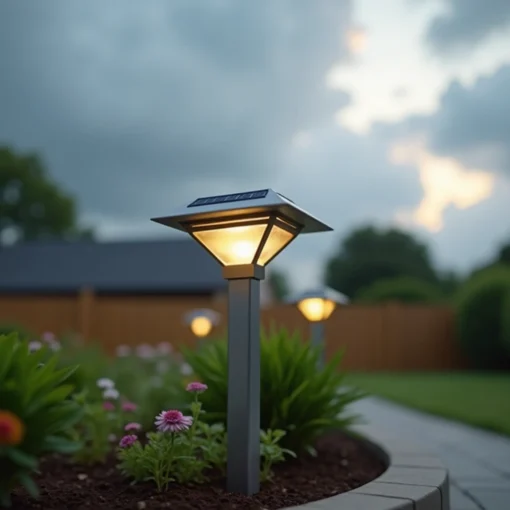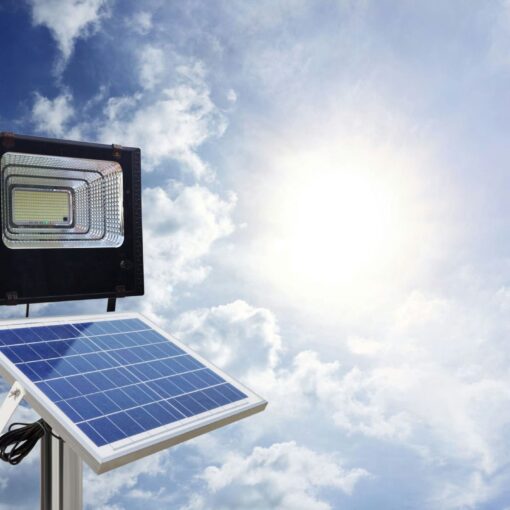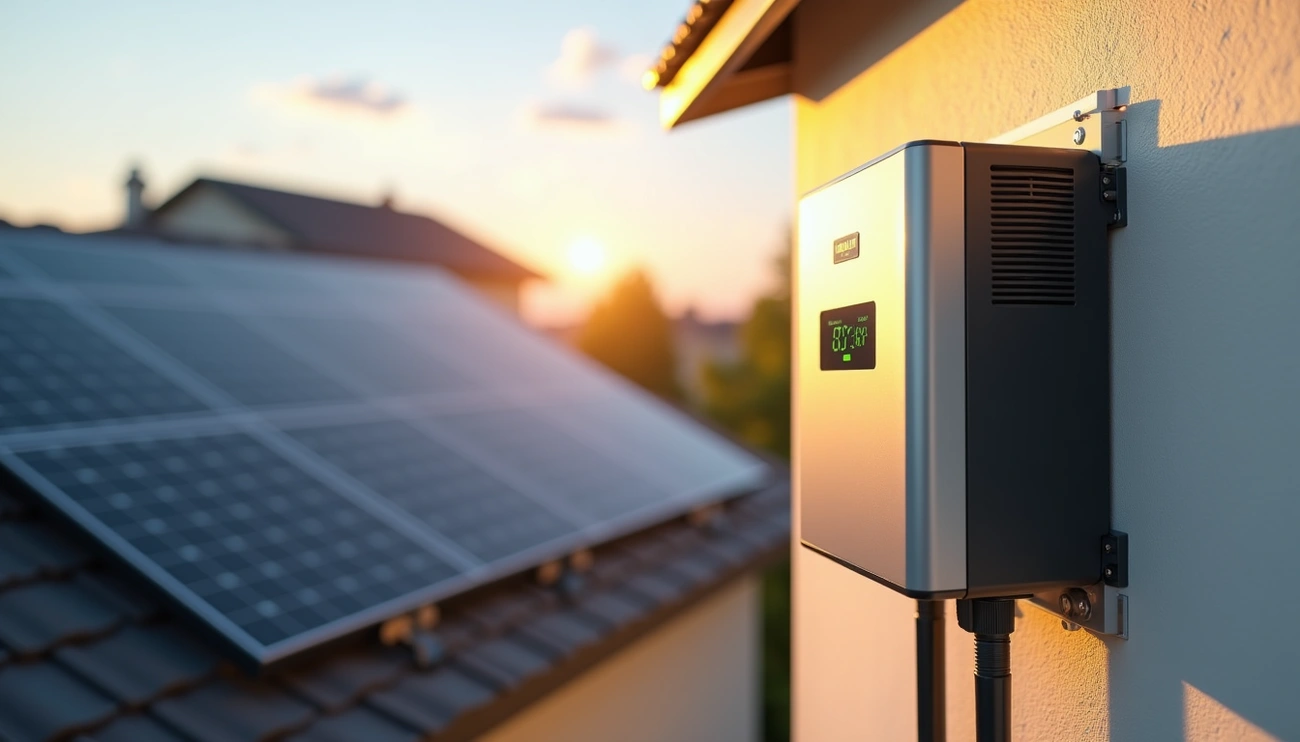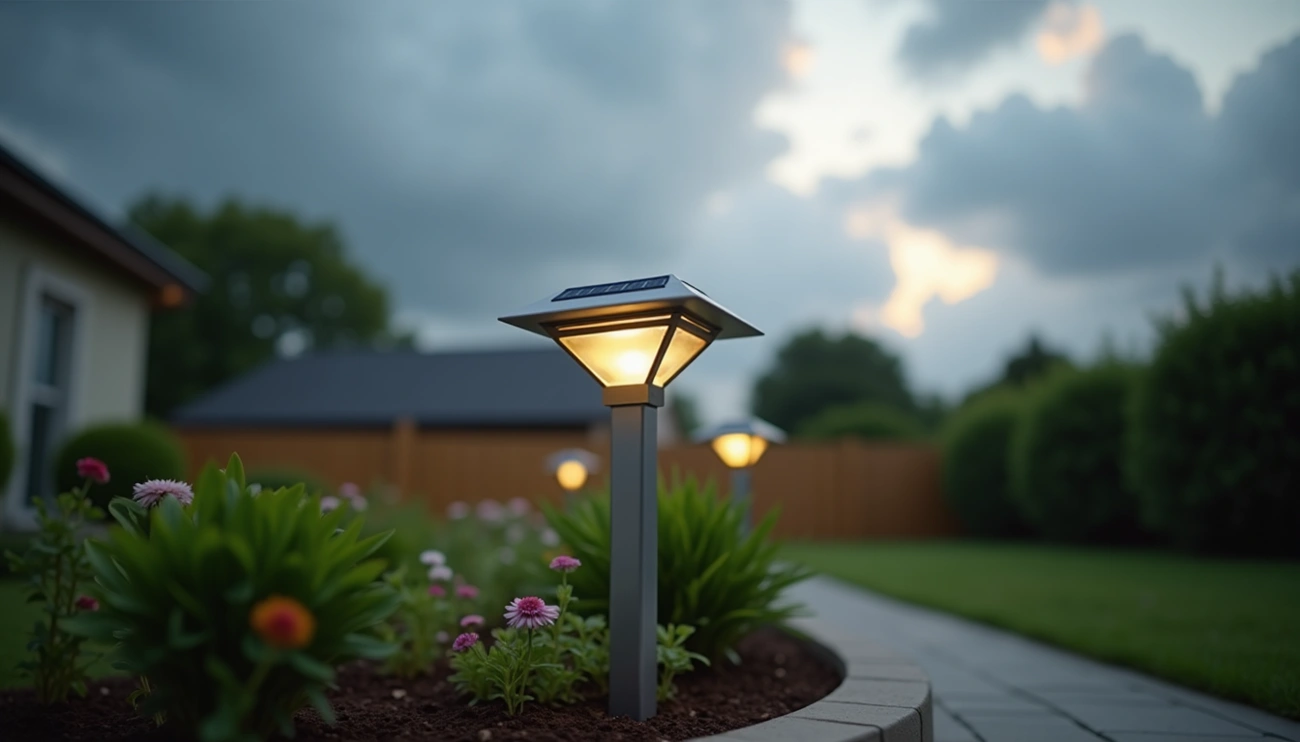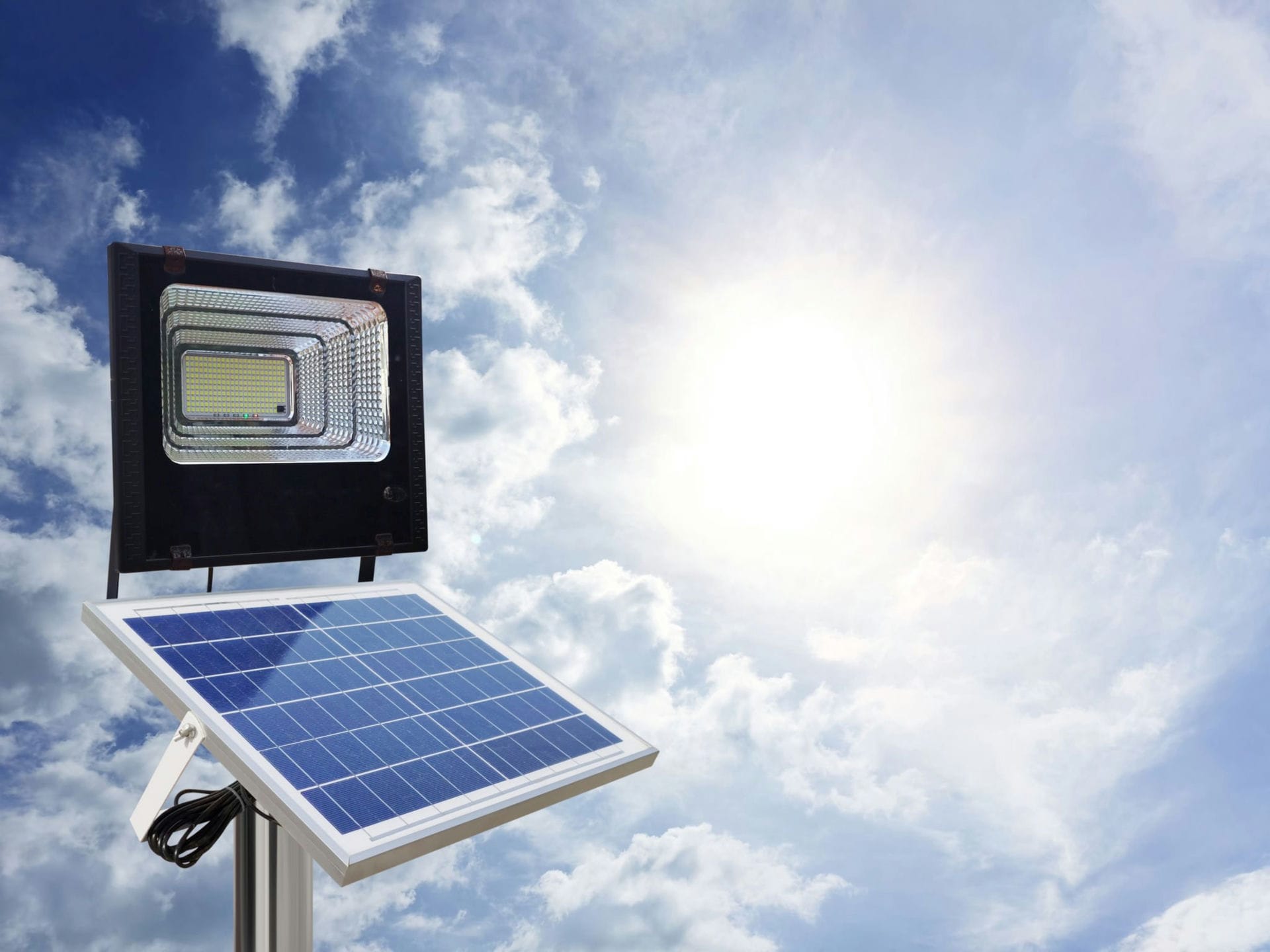
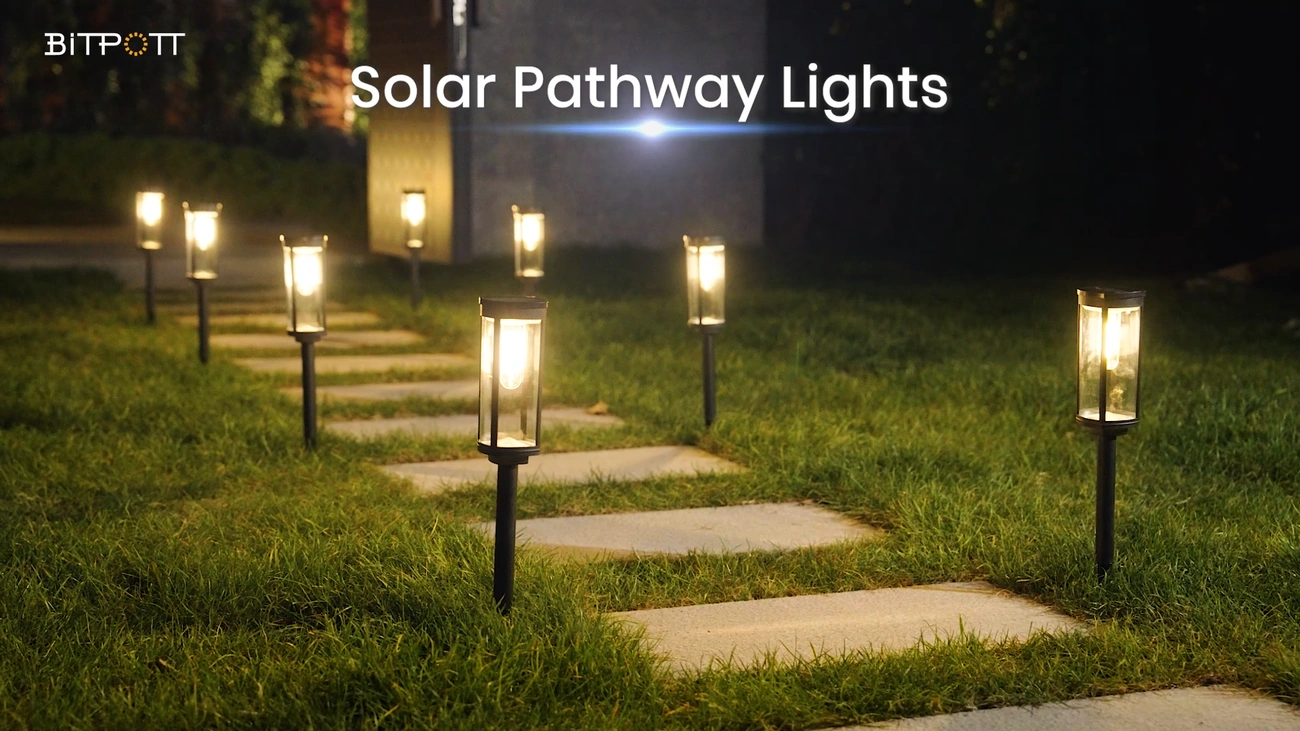
Solar lights turn on automatically at dusk and turn off at dawn using built-in light sensors called photocells. The sensor detects ambient light levels. During daylight, sunlight keeps the LED off while the solar panel charges the battery for nighttime illumination.
Yes, Solar Lights Turn On Automatically (And Here’s How)
Every solar light relies on a small but critical component to determine when darkness arrives. This sensor doesn’t check a clock or follow a schedule. Instead, it responds to actual light conditions around it.
The Light Sensor That Makes It Happen
At the heart of automatic activation sits a device called a light-dependent resistor, or LDR. Some systems use a photoresistor, which operates on the same principle. This sensor constantly measures how much light hits its surface.
During daylight hours, when sunlight is abundant, the LDR allows electrical current to flow easily through it. The resistance stays low. But as evening approaches and light fades, something changes. The LDR starts to resist that current more strongly. The resistance increases dramatically.
The controller circuit watches this shift in resistance like a guard monitoring a threshold. When the resistance crosses a specific point, the system interprets this as nightfall. This is how solar lights turn on at night without any manual input from you. The process relies entirely on real-time conditions, not pre-programmed schedules.
Some systems take a different approach. Instead of using a separate LDR, they monitor the solar panel voltage itself. When the voltage from the solar panel stays above a certain threshold, the controller keeps the LED off. At night, the panel voltage drops since it’s no longer generating power, and the controller reads this as darkness. This method works because the solar panel essentially acts as one large light sensor.
How the Controller Responds to Darkness
The controller circuit functions as the system’s brain. It receives information from the light sensor and decides what to do with the electricity flowing through the system.
When sunlight is available, the controller channels power into the battery and prevents the LED lamp from turning on. There’s no need for lighting when natural light exists. But as evening approaches and the light level drops, the controller switches modes. It opens the electrical path from the battery to the LED, allowing current to flow and the light to shine.
This transition happens through voltage sensing. The photoresistor changes its electrical resistance depending on how much light hits it. When it’s bright outside, electricity flows through easily, and the controller knows it’s daytime. When it gets dark, less current passes through, and the controller interprets that as night. The controller circuit reads this voltage change and triggers the LED using stored battery power.
Why Batteries Are Essential for Night Operation
A solar panel stops generating electricity after sunset. The photovoltaic cells need sunlight to function, so they go dormant until morning. At this point, the battery takes over.
During the day, the solar panel converts sunlight into electrical energy. This energy gets stored in the battery, typically a lithium-ion or gel-based deep-cycle battery. The battery must be large enough to hold sufficient charge for a full night of operation. Ideally, it should have extra capacity in case cloudy days reduce charging.
Battery quality and capacity directly determine whether your light can illuminate all night long. A good battery, when fully charged, can keep your light running for dozens or even hundreds of hours. If the battery is undersized or of poor quality, it might run out before morning. The battery also regulates voltage and current flow, protecting the LED from power fluctuations. It releases stored energy in a controlled flow throughout the night, ensuring illumination exactly when you need it most.
How Do Solar Lights Work: The Complete Day and Night Cycle
Solar lights operate on a continuous 24-hour cycle that repeats every single day. Understanding this cycle shows you exactly how these lights manage energy from sunrise to sunset and back again.
Morning: When Lights Turn Off and Charging Begins
As dawn breaks and ambient light increases, the photoresistor detects the rising brightness. The sensor triggers the system to turn off the LED. This automatic function eliminates any need for manual operation.
The moment the first rays of morning sun hit the solar panel, photovoltaic cells start converting sunlight into electricity. Solar cells contain semiconductor material where electrons begin moving as soon as light strikes the surface. This movement produces direct current electricity that flows immediately toward the battery.
Afternoon: Battery Storage in Action
Throughout the day, solar panels absorb sunlight and convert it into energy that gets stored in batteries for later use. The charge controller regulates this process carefully, managing charging voltage and current to prevent battery overcharging.
Most solar lights use either lithium-ion or lead-acid batteries. Lithium-ion batteries operate at 90 to 95 percent efficiency and last 10+ years. Lead-acid batteries cost less upfront but only last 5 to 8 years. The battery stores energy as chemical energy, which converts back into electrical energy when needed.
Proper battery management during charging hours determines how well your lights perform at night. The system must charge batteries fully during sunny days to maximize efficiency. A standard solar-powered light that receives direct sunlight throughout the day reaches full charge by day’s end.
Evening: The Automatic Trigger at Dusk
When dusk arrives, the built-in sensor detects the decrease in ambient light and activates the flood light. Photoresistors activate when available light drops below a preset level. This transition marks the shift from charging mode to lighting mode.
The charge controller enables power delivery from the battery to the LED luminaire once dusk is detected. Some controllers use photocells, while others rely on time-based systems or integrated light sensors.
Night: Running on Stored Power
Solar lights run 8 to 12 hours on a full charge, depending on battery size and brightness setting. At night, the charge controller carefully regulates battery discharge to maintain stable voltage and prevent over-discharge that could damage the battery.
The stored energy powers the LED throughout the night. Controllers in many systems automatically reduce output levels during low-traffic overnight periods to conserve energy.
Dawn: The Cycle Resets
As dawn approaches, sensors detect increasing natural light. The lights turn off automatically, and the solar cells begin converting sunlight into electricity again. This creates a constant cycle of using and replenishing energy. Solar lights can operate with no human interference for years at a time.
The Technology Behind Automatic Activation
Multiple sensor technologies can trigger solar lights at night, and each works differently under the surface. The specific technology in your solar light determines response speed, accuracy, and reliability.
Light-Dependent Resistors (LDR) Explained
An LDR changes its resistance based on light intensity hitting its surface. In darkness, resistance reaches extremely high levels, typically between 1MΩ to 10MΩ. When exposed to bright light, resistance drops dramatically to just 400Ω to 10kΩ. This massive swing in resistance creates the electrical signal that tells controllers when to switch modes.
The material inside most LDRs is cadmium sulfide (CdS), which responds strongly to visible light wavelengths between 520nm and 600nm. This spectral response matches how human eyes perceive light. When photons strike the CdS material, they free electrons in the semiconductor, allowing current to flow more easily. More light means more free electrons and lower resistance.
LDRs have slower response times compared to other sensors, typically 10ms to 50ms. This delay actually benefits solar street lights because it prevents flickering from passing car headlights or lightning. The sensor needs sustained darkness before triggering activation.
Newer alternatives include photodiodes and phototransistors, which offer faster response and better linearity. Ambient Light Sensor (ALS) integrated circuits provide even more precision, mimicking human eye response and filtering infrared contamination. However, LDRs remain popular because they cost less and work reliably for simple on/off detection.
Voltage Sensing Methods
Some solar lights skip dedicated light sensors entirely. Instead, the controller monitors voltage output from the solar panel itself. During daylight, panels generate voltage as they convert sunlight. At night, panel voltage drops to near zero since no photons are striking the cells.
The controller adjusts LED power based on changes in solar panel output voltage. When panel voltage falls below a calibrated threshold, the system interprets this as nightfall and activates the lights. This method eliminates the need for separate sensor components.
Photo Eye vs Motion Sensor Systems
Photocells detect ambient light levels for day/night switching. PIR (passive infrared) sensors detect motion by sensing changes in infrared radiation from warm objects like people. These technologies serve different purposes and often work together in the same fixture.
A photocell determines whether it’s day or night. The PIR sensor then adjusts brightness based on detected movement. When no one is around, lights dim to conserve power. When someone approaches, brightness increases. PIR sensors alone can’t distinguish day from night, so they need photocells in the control loop.
The Role of Controller Circuitry
The controller monitors voltage and current from the battery and solar panel in real time. It processes sensor data and makes split-second decisions about LED operation. MPPT (Maximum Power Point Tracking) controllers extract maximum energy from solar panels by automatically adjusting voltage and current to optimal levels.
Controllers also protect batteries from overcharging during the day and excessive discharge at night. They prevent reverse current flow from batteries back into solar panels after dark. This circuitry ensures long battery life and consistent lighting performance.
What Can Prevent Solar Lights from Turning On Automatically
When solar lights fail to turn on at night, the problem usually traces back to one of five common issues. Each disrupts a different part of the automatic activation chain.
Insufficient Sunlight Exposure
Solar lights need 6-8 hours of direct sunlight to charge fully. That word “direct” matters more than most people realize. If your light sits under a tree branch, behind a fence shadow, or charges through a window, it receives only 30-50% of the energy it needs.
Placement under patio covers, eaves, or in shaded corners prevents proper charging. Even partial shade can slash charging efficiency by 50-70%, forcing panels to work twice as long for the same energy output. For every hour of quality sunlight, you get roughly 2-3 hours of illumination. If your light only gets 3 hours of partial sun, runtime drops to maybe 5 hours of weak light at best.
Charging through glass creates additional problems. Double or triple-glazed windows can prevent lights from working altogether due to low charge.
Dirty or Blocked Solar Panels
Dust, pollen, bird droppings, and debris create an invisible film that can reduce charging efficiency by 50-70%. Studies show that dirty solar panels can lose up to 20% of their energy production. Heavy rain or wind causes soil and dirt to splash onto panel screens, particularly during autumn and winter.
Even light debris blocks critical wavelengths needed to trigger the photovoltaic effect. Clean panels can produce 20% to 30% more electricity compared to dirty panels.
Battery Problems and Age
Rechargeable batteries degrade after 2-3 years, losing capacity due to charge cycles and temperature extremes. After 300-500 cycles, their capacity diminishes significantly. A battery that once powered your light for 10 hours might now only manage 2-3 hours.
Batteries exposed to extreme heat degrade faster, as high temperatures accelerate chemical reactions inside the cell. Freezing temperatures can cause permanent damage over time. Dead batteries can start to erode and leak acid, causing permanent damage to lights.
Faulty Light Sensors
Dirty or misaligned sensors keep lights on during the day or off at night. The photocell may become dirty, damaged, or malfunctioning, affecting performance. Nearby light sources like streetlamps, porch lights, or security lights can trick the sensor into thinking it’s still daytime.
Manual Switch Position Issues
Some solar lights include a power switch that needs to be in the ‘on’ position for light sensors to take effect. If the switch stays off, the battery still charges, but the LED never activates.
Troubleshooting When Automatic Function Fails
When your lights refuse to turn on automatically, start with these systematic checks. Each addresses the most common failure points.
Check the Light Sensor First
Cover the solar panel completely with your hand or cloth during daylight. If the light turns on immediately, your sensor works fine. The issue is likely nearby artificial lights tricking the sensor into thinking it’s still daytime. Streetlamps, porch lights, or security lights shining on the sensor can prevent activation. Clean the sensor lens with a soft cloth to remove dirt, spider webs, or debris. Otherwise, relocate the light away from interfering light sources.
Test Battery Charge Levels
Open the battery compartment and inspect terminals for white or green crusty buildup, which indicates corrosion. Replace with the correct type: NiMH (1.2V) or LiFePO4 (3.2V), never use regular alkaline batteries. Check for loose connections that prevent charging.
Clean Solar Panels for Better Detection
Wipe panels with a soft microfiber cloth dampened with plain warm water. Cleaning can double runtime. No soap or harsh chemicals.
Reset the System Properly
Turn the light off at the switch, wait a few minutes, then turn it back on. For a full reset, remove batteries for 10 minutes, then reconnect. Alternatively, turn lights off and let them fully charge for 36-48 hours before testing.
Conclusion
Solar lights do turn on automatically, and now that you understand the technology behind them, you can make better decisions about placement, maintenance, and troubleshooting. The light sensor and battery work together to create a hands-free lighting system that operates reliably for years.
If your lights stop working automatically, start with the basics: clean the panels, check battery connections, and ensure nothing blocks sunlight during charging hours. Most problems trace back to simple maintenance issues rather than sensor failure. Keep your panels clean and batteries fresh, and your solar lights will handle the rest without any input from you.