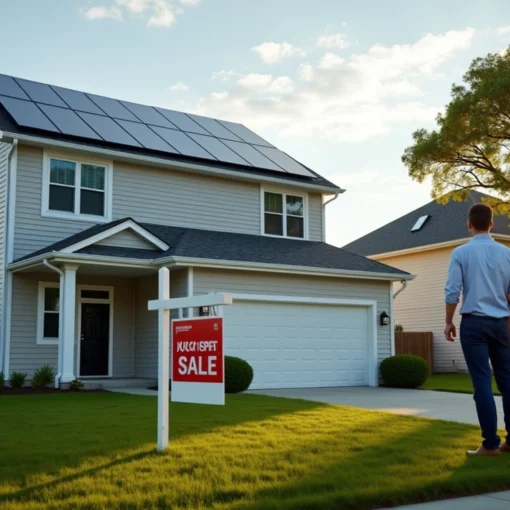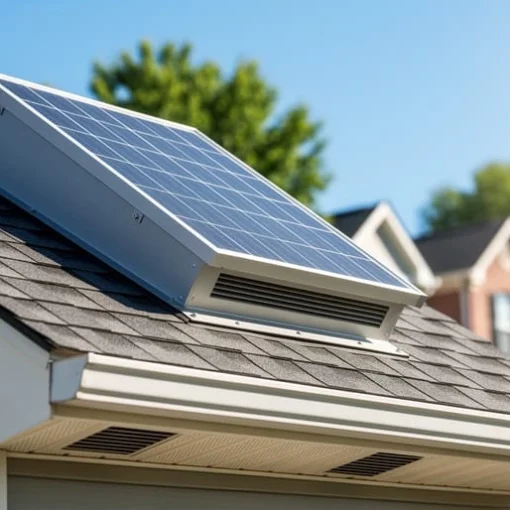
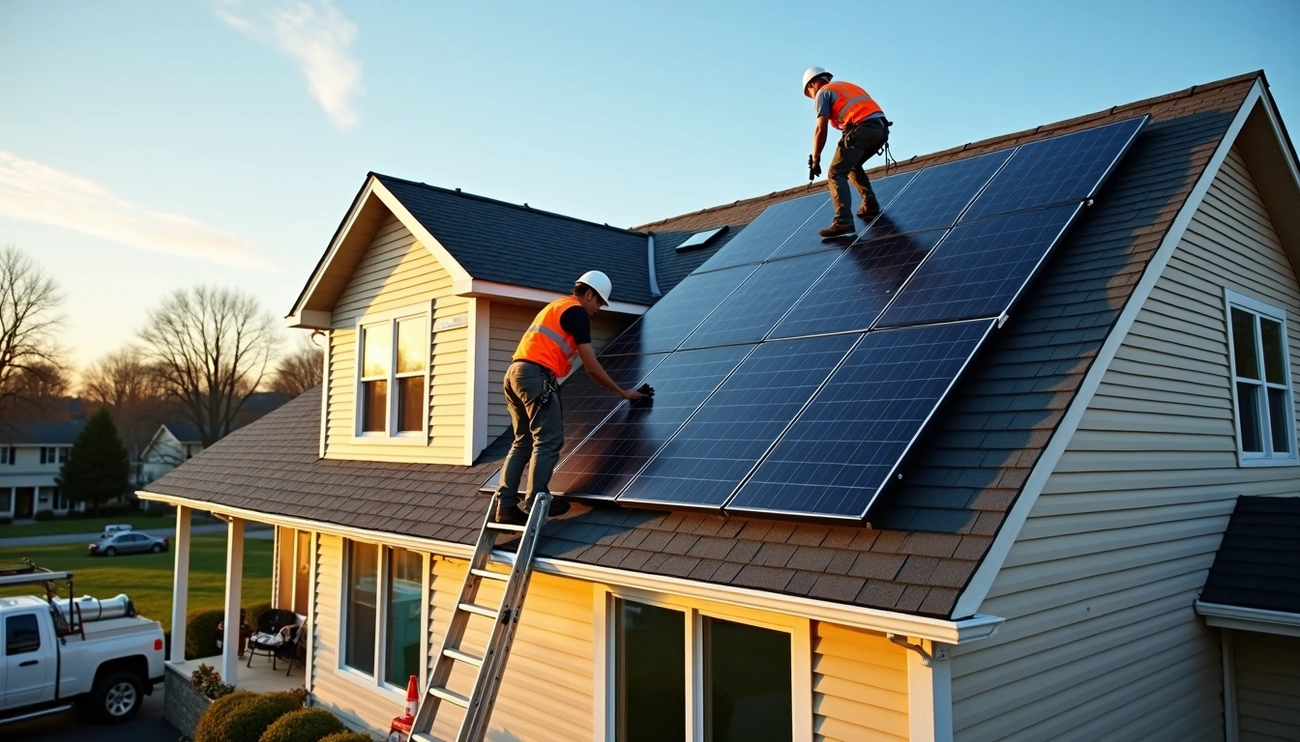
Some solar companies replace roofs, but many focus only on solar panel installation. Installers inspect the roof before installation to confirm structural condition. If the roof has only 5–10 years of life remaining, installers often recommend or require replacement to prevent future solar panel removal costs.
Do Solar Companies Replace Your Roof? Understanding Your Options
The solar industry operates under three distinct business models when it comes to roofing services. Understanding which type of company you’re dealing with will shape your entire project experience.
All-in-One Solar and Roofing Providers
Some companies handle both roofing and solar installation under one roof. Allied Roofing and Sheet Metal, for instance, brings 25 years of roofing expertise while holding full solar contractor licensing. This dual capability eliminates the coordination headaches between separate contractors.
The advantage here is straightforward: one contract, one warranty, and zero finger-pointing if issues arise. Black Hills Roofing takes a similar approach, conducting thorough inspections to verify structural capacity and remaining roof life before installing panels. If repairs are needed, they complete them before solar installation.
These companies also sidestep a common pitfall. Many existing roofing warranties become void when you install solar panels, at least for portions covered by the array. When the same company handles both projects, you receive unified warranty coverage for roofing and solar production.
Solar Companies with Roofing Partners
Major solar installers often partner with roofing specialists instead of doing the work themselves. Sunrun teamed up with Remi Roofing to deliver services through a nationwide network of licensed contractors. Every Remi job includes a 5-year workmanship warranty covering repairs due to improper installation.
All Energy Solar operates as a GAF Certified Residential Roofing Contractor in select locations. They offer solar panel removal and reinstallation with roofing services to residential customers within 85 miles of their St. Paul, Minnesota headquarters or Madison, Wisconsin warehouse.
This model gives you specialized experts for each discipline. The solar company typically manages the overall project timeline while their roofing partner handles the actual roof work.
Solar-Only Specialists
Then there are installers focused exclusively on solar systems. These companies will assess your roof during the initial consultation and inform you if replacement is necessary, but they won’t perform the work themselves.
If you choose this route, you’ll need to coordinate between your roofer and solar installer independently. The roofer must understand requirements for solar installations, including proper sealing and structural reinforcement.
How to Know Which Type is Right for You
Ask potential installers directly whether they offer in-house roof replacement or partner with roofing companies. If your roof needs work, bundled providers or those with roofing partners typically reduce costs compared to hiring separate contractors.
Why You Should Replace Your Roof Before Installing Solar Panels
Replacing your roof before solar installation isn’t just recommended practice. The decision directly impacts your long-term costs and whether your investment pays off.
Matching the Lifespan of Your Roof and Solar System
Solar panel systems typically last around 25 to 30 years. Metal and tile roofs can exceed 50 years, but asphalt roofs usually only last up to 30 years. If your asphalt roof is over 10 to 15 years old, you should probably replace it before going solar.
Installing panels on an aging roof creates a timing mismatch. Your roof will fail years before your solar system reaches the end of its productive life. Consequently, you’ll face a difficult choice: pay for early panel removal or risk roof damage.
Avoiding Costly Panel Removal Later
Removing and reinstalling solar panels for roof work costs between $1,500 and $6,000. The price can reach over $7,000, with typical costs running $200 to $300 per panel. For a standard residential system with 51 panels, removal and reinstallation quoted at $12,629.
Moreover, once your installer removes panels, it usually voids the panel manufacturer’s warranty. Future panel defects come out of your pocket.
Protecting Your Warranties and Investment
Installing solar commonly voids your existing roofing warranty, at least for portions covered by panels. Solar installers offer replacement roof warranties to fill this gap, typically lasting 10 years. If your installer recommends roof replacement and you ignore the advice, there’s a good chance they won’t provide warranty coverage.
Increasing Your Home’s Resale Value
Solar panels can offer 100% cost recovery through property value increases alone, plus ongoing electricity savings. Homes with owned solar systems see property value increases of 5% to 10%. Homeowners recoup around 60% to 70% of their roofing investment upon sale. Installing both simultaneously maximizes your home’s market appeal and protects future buyers from immediate replacement concerns.
The Real Cost of New Roof and Solar at the Same Time
Understanding the financial picture helps you plan properly. Here’s what replacing roof with solar panels actually costs.
Average Costs for Roof Replacement
Most homeowners spend between $10,000 and $15,000 on roof replacement. Asphalt shingles cost $3.00 to $5.00 per square foot and last 15 to 30 years. Metal roofing runs $10.00 to $14.00 per square foot but lasts over 50 years. Labor typically accounts for 50% to 60% of your total roof cost.
Solar Installation Costs Breakdown
The average residential solar system costs $19,000 to $28,000. A typical 10-kilowatt system costs around $28,400 before incentives, based on $2.84 per watt. According to the U.S. Department of Energy, residential solar systems range from $2.74 to $3.30 per watt. Materials account for 43% of total installation costs, while labor makes up just 7%. Design, engineering, project management, and overhead account for the remaining 28%.
Bundling Savings You Can Expect
Installing a new roof and solar at the same time typically costs $25,000 to $35,000 instead of $40,000 for separate projects, saving you $4,000 or more. These savings come from bundled contractor discounts, reduced labor costs through single setup, coordinated permitting, and streamlined timelines.
Can You Use the Solar Tax Credit for Your New Roof?
Traditional roofing materials and structural components don’t qualify for the 30% federal solar tax credit. The IRS states that roof trusses and traditional shingles supporting solar panels don’t qualify, but solar roofing tiles and solar shingles do because they generate clean energy.
Beware of ‘Free Roof’ Offers
Scammers promise free solar panels or claim government programs cover the entire cost. While some income-qualified households may receive subsidies covering total system costs, going solar isn’t free for most homeowners. Avoid companies demanding large upfront payments or rushing you to sign contracts.
What If You Already Have Solar Panels and Need a Roof Replacement?
Roof problems don’t wait for convenient timing. When your roof fails and panels are already installed, you face a specialized removal and reinstallation process.
Cost to Remove and Reinstall Solar Panels
Removing solar panels costs $200 to $500 per panel. Most homeowners spend between $1,500 and $6,000 for complete removal and reinstallation of average residential systems. If you already have solar installed, roof replacement adds roughly $7,000 for panel removal and reinstallation. Grid disconnection alone costs $400 to $600.
Who Should Handle the Removal Process
Solar panels should never be removed by roofing contractors. Only licensed solar electricians have the training and equipment to safely detach and reconnect electrical components. Roofers might remove panels, but they lack the means to reinstall them properly. Attempting DIY removal risks damaging panels, voiding warranties, and creating electrical hazards.
Timeline for Roof Replacement with Existing Panels
The removal process typically takes one day, with reinstallation completed in another day. However, permits could take up to two months on average. Some homeowners wait up to six months to have panels removed owing to installer backlogs.
Protecting Your System During the Work
You’re responsible for providing a safe storage location while panels are removed. Contractors should store panels in clean, dry, shaded areas away from debris and extreme temperatures. Professional teams document system performance, label all cables and hardware, and ensure panels are cleaned and padded before storage.
Conclusion
Deciding between solar installation and roof replacement doesn’t have to be complicated. We’ve shown you that bundling both projects saves thousands while protecting your investment for decades. Important to realize, your choice of installer matters just as much as the timing. By all means, get multiple quotes from companies offering both services or roofing partnerships. Ask direct questions about warranties, credentials, and experience. For this reason, you’ll avoid costly mistakes and maximize your solar investment from day one.