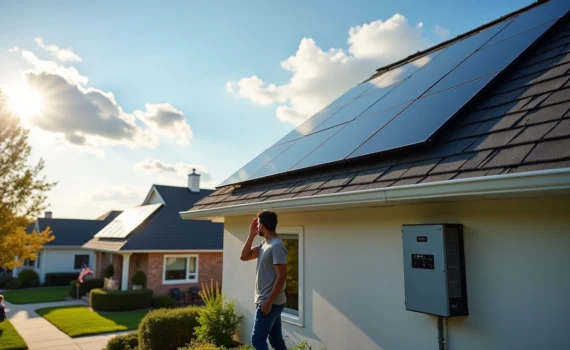
Solar panels do not make noise because they contain no moving parts. Photovoltaic panels generate electricity silently during daylight hours. Noise in a solar system usually comes from the inverter, which converts DC electricity to AC power and may produce a low hum of about 25–55 decibels, similar to a […]
Performance
10 posts
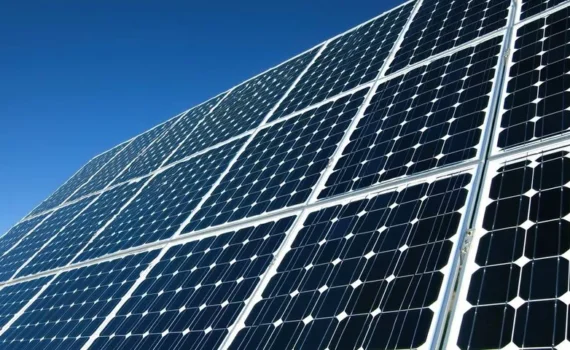
Solar panels do not emit harmful radiation. Solar panels generate electricity using photovoltaic cells and produce only very low-level, non-ionizing electromagnetic fields (EMF). These EMF levels are comparable to common household appliances such as televisions, refrigerators, and computers and meet international safety standards for human health. Do Solar Panels Give […]
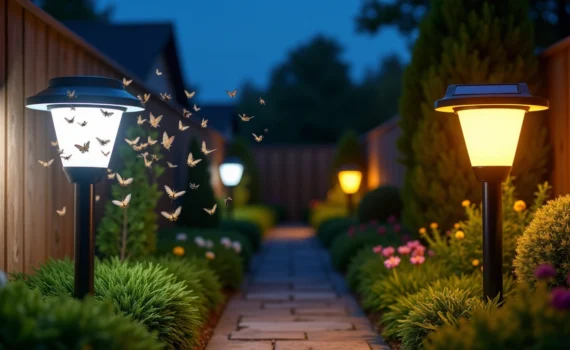
Solar lights attract fewer bugs than conventional lights because they usually emit lower-intensity, warmer-toned light that many insects cannot see easily. However, solar lights can still attract insects such as moths, beetles, and mosquitoes, especially when the light emits cool white or blue wavelengths that insects detect more strongly. Do […]
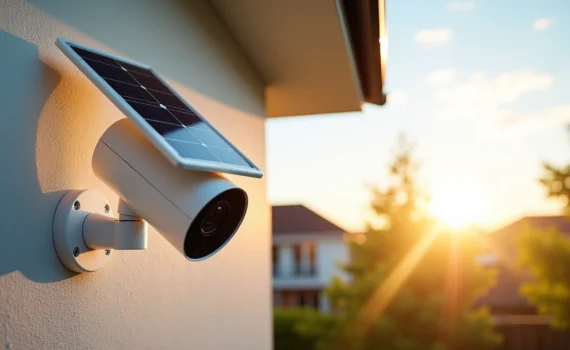
Solar-powered cameras do not require direct sunlight to operate because their solar panels generate electricity from ambient and indirect daylight. However, solar cameras charge batteries most efficiently with 2–6 hours of direct sunlight daily. Built-in rechargeable batteries store energy and power the camera during nighttime or cloudy conditions. Do solar […]
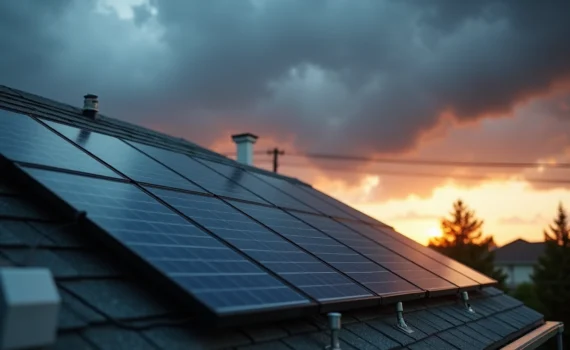
Solar panels may survive an electromagnetic pulse (EMP) because the panels contain durable semiconductor materials with no sensitive microelectronics. However, an EMP will likely destroy connected components such as inverters, charge controllers, and battery management systems. Long system wires act as antennas that induce high-voltage surges, which damage electronics and […]
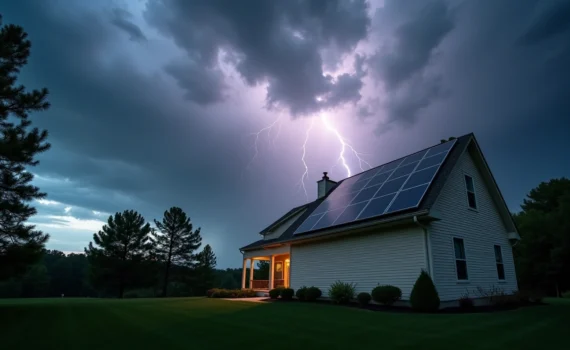
Solar panels do not attract lightning because they do not create the atmospheric charge or static electricity required to draw a strike. Lightning strikes depend mainly on an object’s height, location, and surrounding terrain. Although solar panels contain metal components, they do not increase a home’s lightning risk, but a […]
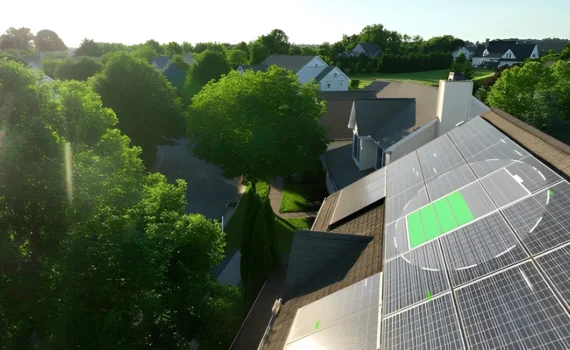
Standard grid-tied solar panels do not work during a power outage because the inverter automatically shuts down to protect utility workers and grid equipment. Solar panels only supply electricity during a blackout when the system includes a solar battery or an inverter with islanding capability that disconnects the home from […]
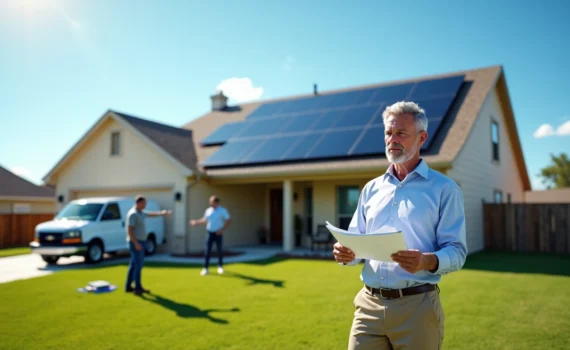
Solar panels are not free in Texas because no government program or legitimate provider gives fully free systems. Ads promising free solar usually promote $0-down leases or Power Purchase Agreements (PPAs). In these programs, a company installs the panels at no upfront cost, owns the system, and charges you for […]
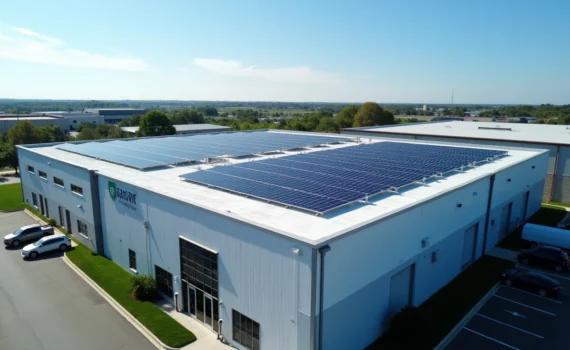
Commercial solar panels are worth the investment because they reduce business electricity costs and deliver payback within 3–7 years. Businesses benefit from lower operating expenses, tax credits, and increased property value. Solar systems also protect companies from rising utility rates and strengthen brand reputation through visible sustainability efforts. Understanding Commercial […]
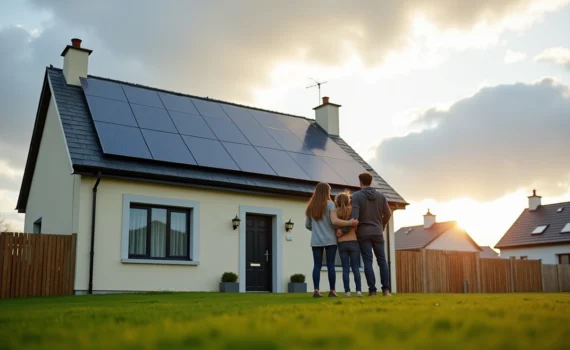
Solar panels are worth it in Ireland because high electricity prices and government incentives reduce payback time to about 5–8 years. Grants up to €1,800 and 0% VAT lower installation costs. A typical solar system supplies 60–70% of a home’s electricity, cuts energy bills, and allows homeowners to sell excess […]