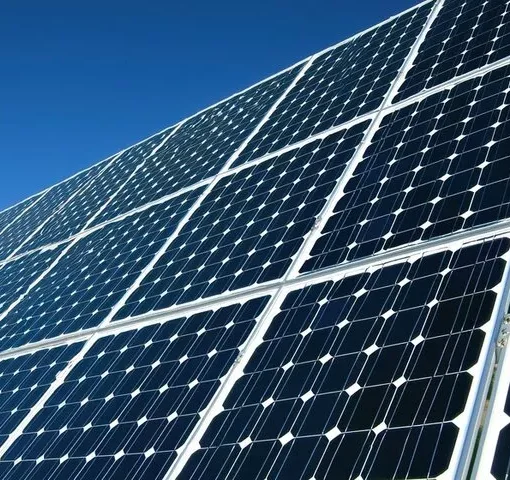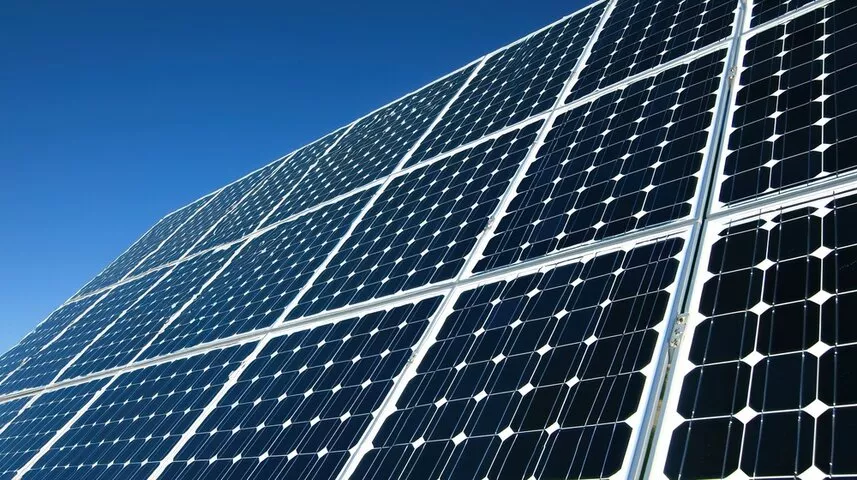
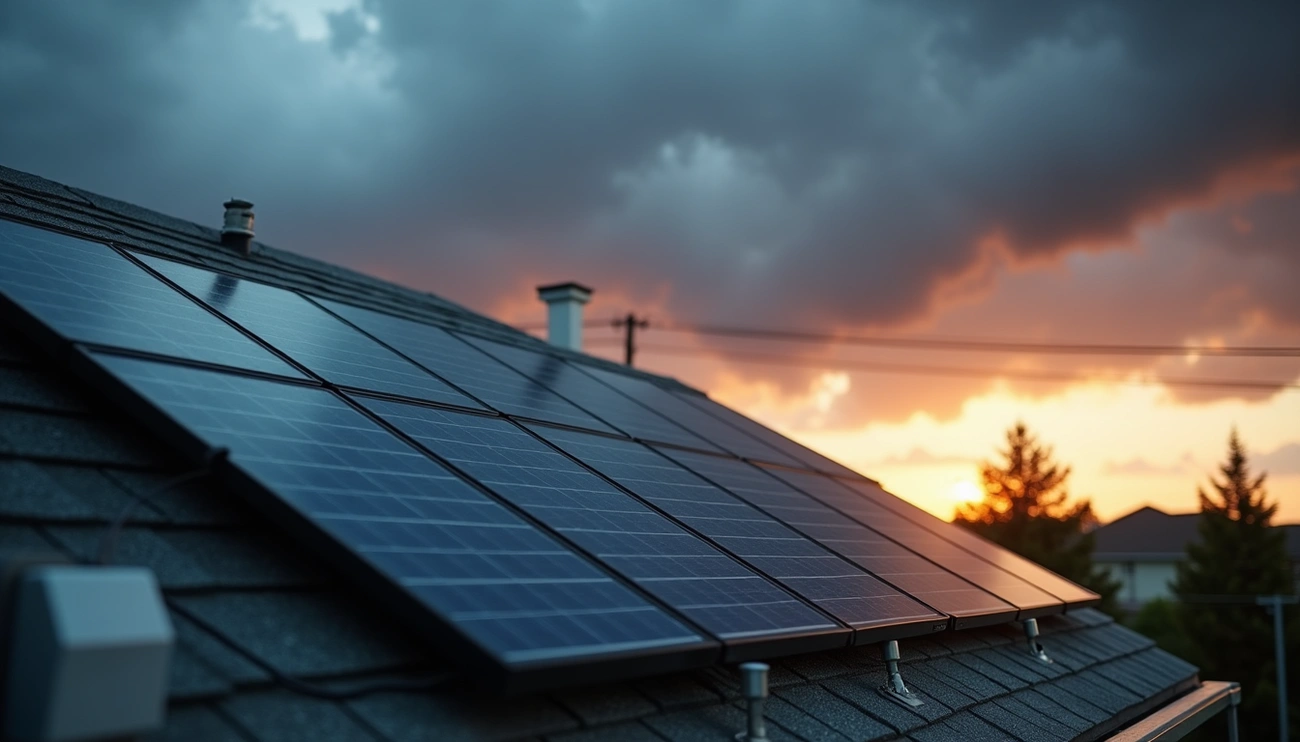
Solar panels may survive an electromagnetic pulse (EMP) because the panels contain durable semiconductor materials with no sensitive microelectronics. However, an EMP will likely destroy connected components such as inverters, charge controllers, and battery management systems. Long system wires act as antennas that induce high-voltage surges, which damage electronics and render the solar system inoperable.
What is an EMP and How Does It Work?
An electromagnetic pulse is a brief burst of electromagnetic energy that can originate from natural or artificial sources. The disruption happens when this energy creates rapidly changing electric and magnetic fields that couple with electrical systems, producing damaging voltage and current surges.
Nuclear EMP: E1, E2, and E3 Phases
Nuclear EMPs differ from other electromagnetic pulses by producing a complex multi-pulse sequence. The International Electrotechnical Commission defines three distinct components: E1, E2, and E3.
The E1 pulse strikes first and fastest. When gamma radiation from a nuclear detonation ionizes atoms in the upper atmosphere through the Compton effect, it creates electrons that travel downward at more than 90 percent of the speed of light. This interaction with Earth’s magnetic field generates an electromagnetic pulse that rises to its peak value in about 5 nanoseconds. The E1 component can peak at 50,000 volts per meter, destroying computers and communications equipment before ordinary surge protectors can react.
The E2 component follows, generated by scattered gamma rays and neutrons. This intermediate pulse lasts from about one microsecond to one second and behaves similarly to lightning. While normally manageable with standard lightning protection, the main risk occurs because E2 arrives immediately after E1 has potentially damaged protective devices.
E3 pulses last tens to hundreds of seconds, caused by the nuclear detonation temporarily distorting Earth’s magnetic field. This slow pulse induces geomagnetically induced currents in long electrical conductors, particularly damaging power line transformers that aren’t designed to handle direct currents.
Solar Flares and Coronal Mass Ejections
Coronal mass ejections expel billions of tons of plasma and magnetic field from the Sun’s corona. The fastest Earth-directed CMEs can reach our planet in as little as 15 to 18 hours, traveling at speeds near 3,000 kilometers per second. When CMEs interact with Earth’s magnetic environment, they induce electrical currents that flow through power grids, potentially damaging transformers, relays, and circuit breakers.
How EMPs Affect Electronic Equipment
EMPs induce high currents and voltages in electronic systems, temporarily disrupting function or causing permanent damage. The low-frequency electromagnetic radiation interacts with free-charge carriers in metals and semiconductors, creating strong, fluctuating currents that can destroy insufficiently shielded components.
Can Solar Panels Survive an EMP?
Solar systems consist of multiple components with vastly different vulnerability levels. The panels themselves contain minimal electronics, operating as simple photovoltaic cells without processors, software, or network connectivity. However, the wiring connecting these panels acts as an antenna, gathering electromagnetic signals and causing extremely high voltages to backfeed into the panels.
Vulnerability of Solar Panel Components
The semiconductor materials in solar panels face specific EMP threats. When an electromagnetic pulse strikes, it can cause solar cell upset, reversing the polarity of cells. The panel continues functioning, but output drops. More severe exposure leads to solar cell failure, which permanently destroys cells and cannot be repaired. Depending on affected cell count, output loss ranges from a few percent to complete system failure.
Electromagnetic induction creates additional risks. Rapidly changing electromagnetic fields induce currents strong enough to damage or destroy panels, potentially causing fires if current levels spike sufficiently. Eddy currents flowing in loops within conductors can likewise damage panels when large currents form.
Impact on Solar Inverters and Charge Controllers
Inverters and charge controllers face near-certain destruction from E1 pulses. These components contain sensitive electronics with intricate circuits and microchips that fail almost instantly under high-frequency pulse exposure. Research shows only 9% of photovoltaic components resist E1 EMP, while 36% resist E3.
Off-Grid vs Grid-Connected Systems
Grid-connected panels face almost guaranteed damage during a nuclear EMP. Off-grid configurations offer no inherent protection. If panels remain connected during an EMP event, they’ll likely suffer serious damage regardless of grid connection.
Will Solar Panels Work After an EMP?
Disconnected panels probably sustain no damage. Inverters, charge controllers, and other electronics similarly survive if powered off and unplugged prior to the event. The key factor isn’t system type but connection status when the pulse strikes.
How to Protect Solar Panels from EMP
Protecting your solar energy system from electromagnetic pulses requires integrating technologies designed to withstand and mitigate these events. Several proven strategies reduce vulnerability substantially.
Build or Use a Faraday Cage
A Faraday cage creates an enclosure using conductive material like metal mesh to block electromagnetic fields. The cage diverts electromagnetic radiation around the panels, protecting them from damage. For instance, wrapping a non-conductive frame with metal mesh conducts electricity and EM radiation away from stored components. Disconnected panels and unplugged electronics stored inside survive EMP effects, particularly when placed in proper shielding. Testing your cage with a battery-operated radio or cell phone verifies effectiveness before trusting critical equipment.
Install EMP-Hardened Solar Inverters
The Sol-Ark 15K-2P Whole Home hybrid inverter offers advanced EMP-hardening features that exceed military standards. This inverter meets and surpasses MIL-STD-461G standards, withstanding field strengths of 50kV/m and 100kV/m without performance degradation. Similarly, the Sol-Ark 12K-2P-EMP includes proprietary hardening technology with additional EMP suppressors protecting home appliances and solar panels.
Use Surge Protection and TVS Devices
Transient Voltage Suppression devices divert excessive voltage away from sensitive components, preventing damage. The EMP Shield DC 300-420V acts in less than a billionth of a second, shunting overvoltage from both grid and internal power surges. These devices exceed MIL-STD-188-125-1, MIL-STD-464C, and MIL-STD-461G standards, defending against E1, E2, and E3 phases.
Implement Proper Grounding and Shielding
Grounding creates a low-resistance path to safely discharge excess electrical energy into the earth, preventing system overloads. Shielding using metal casings or protective layers around cables and electronic components minimizes exposure to external electromagnetic interference.
Store Backup Components Safely
Maintaining spare inverters, charge controllers, and other electronics in Faraday protection ensures replacement capability after an event. Store these disconnected and unplugged to prevent antenna effects through wiring.
Choosing EMP Proof Solar Panels and Equipment
Selecting equipment built to withstand electromagnetic pulses eliminates vulnerability at the source. EMP-hardened systems incorporate materials and designs that mitigate pulse effects, ensuring continued operation during and after events.
Key Features of EMP-Hardened Systems
The Sol-Ark 8K has received MIL-STD-461G certification for EMP resilience, the only inverter in its class with such certification. Testing exceeded requirements at 2x the required intensity, with the system hit 140 times at field strengths greater than 100kV/m without damage. The Sol-Ark 15K-2P handles over twice the military requirement for EMP proofing, exceeding 100kV/meter.
Response speed matters. EMP Shield technology begins shunting overvoltage conditions in less than 1 nanosecond, designed to shunt over 100,000 Amps per phase.
Testing and Certification Standards
MIL-STD-461G governs electromagnetic compatibility for military equipment, with specific tests addressing High-Altitude EMP threats. RS105 assesses radiated immunity against high-intensity electric fields using fast, single, high-voltage pulses with nanosecond-scale rise times. Testing occurred at 50 kV/m and 90 kV/m, 80% above required voltage.
Additional standards include MIL-STD-188-125-1 for High Altitude EMP and MIL-STD-464C for Electromagnetic Environmental Effects.
Comparing EMP Protection Solutions
EMP Shield products exceed military standards with 10-year warranties. If the device fails during the warranty period, replacement costs $50. The company backs products with $25,000 insurance coverage.
Conclusion
Solar panels can survive an EMP, but only with proper protection. We’ve shown you that disconnecting your system offers basic defense, while EMP-hardened inverters and Faraday cages provide robust shielding. Likewise, storing backup components safely ensures you’re prepared for worst-case scenarios.
Your solar investment doesn’t have to become a liability during electromagnetic events. Choose certified EMP-proof equipment, implement layered protection strategies, and you’ll maintain power independence when conventional grids fail.