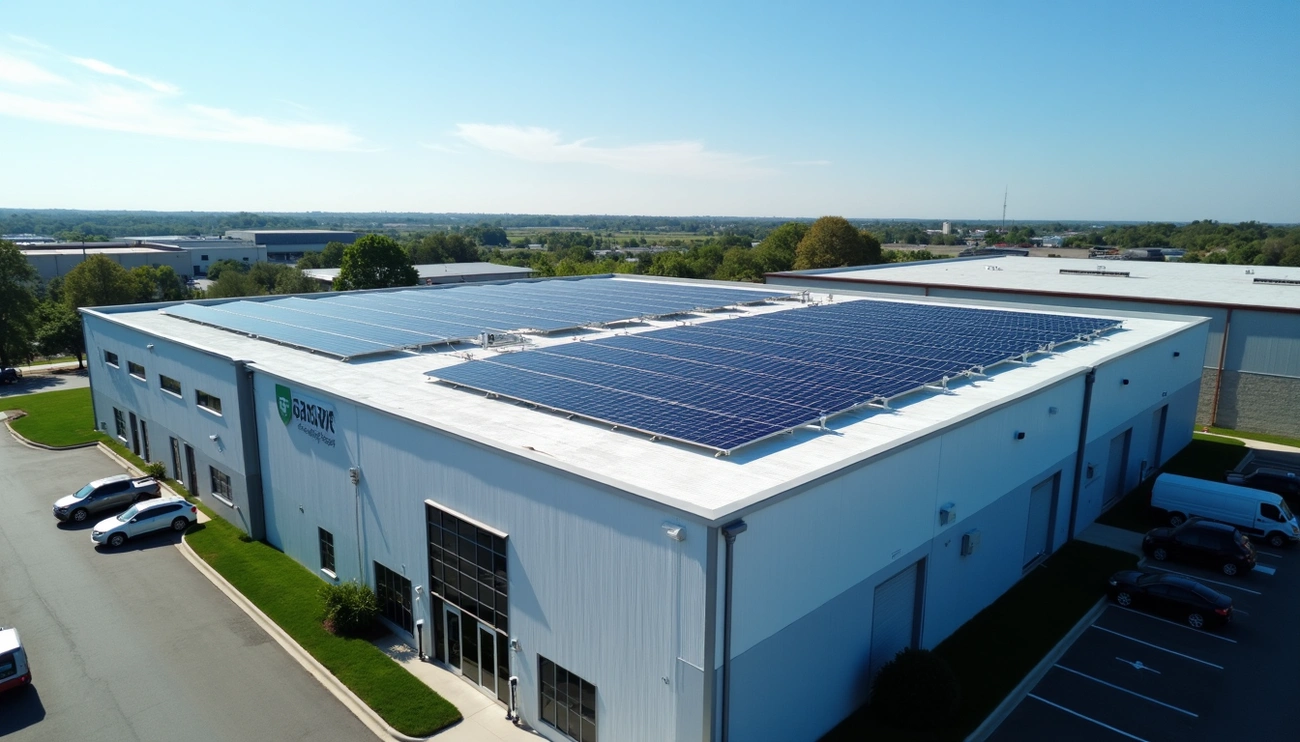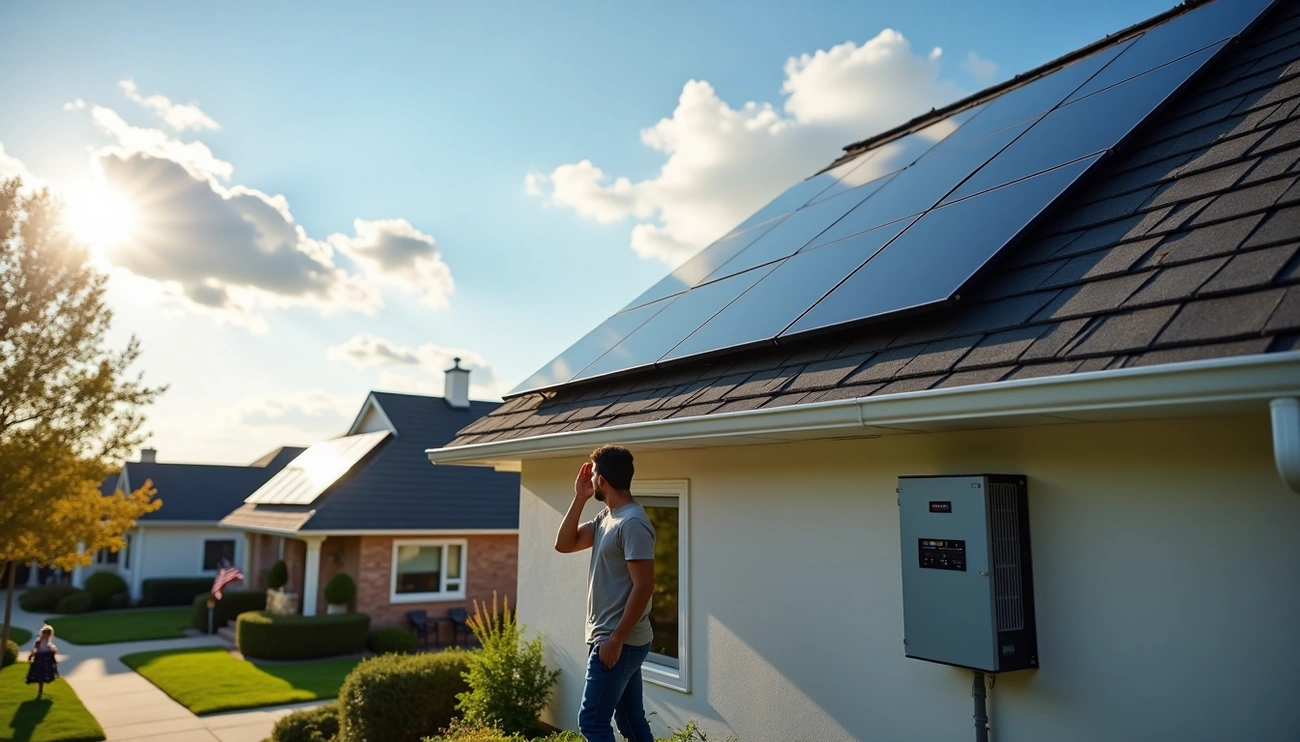
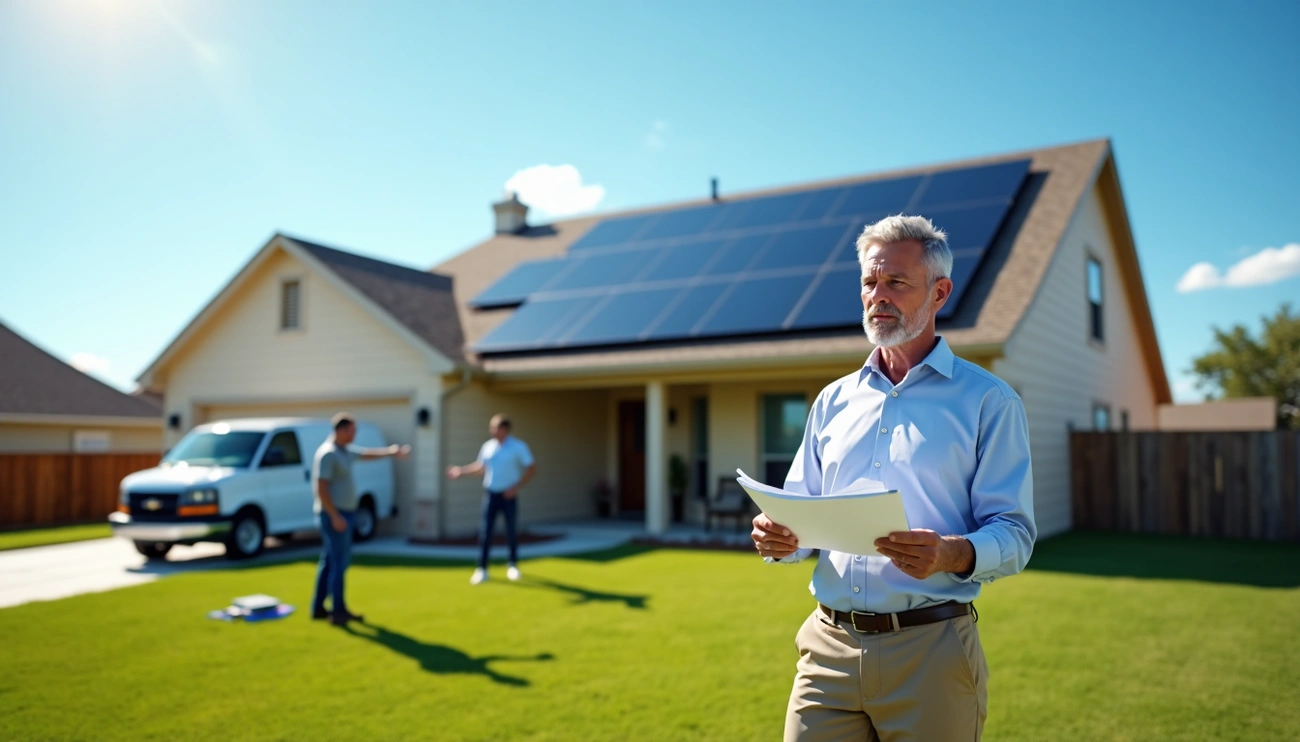
Solar panels are not free in Texas because no government program or legitimate provider gives fully free systems. Ads promising free solar usually promote $0-down leases or Power Purchase Agreements (PPAs). In these programs, a company installs the panels at no upfront cost, owns the system, and charges you for the electricity it produces.
What
When you see ads promising free solar panels in Texas, what you’re actually looking at are financing arrangements where a third-party company installs equipment on your property without charging you upfront.
Power Purchase Agreements (PPAs) Explained
A PPA functions as a third-party ownership agreement where a solar developer installs, owns, and maintains the system on your roof. Contract terms typically span 20 or 25 years. You purchase the electricity your panels generate at a fixed rate per kilowatt-hour, designed to cost less than your current utility charges.
The developer retains ownership throughout the agreement period and handles all system upkeep, covering some or all related costs. This arrangement shifts the investment burden from you to the solar company, as they cover upfront costs that average $30,505 based on available data. They recoup their investment through your monthly payments over the contract duration.
In effect, you’re not buying the solar system. You’re buying the power it produces. The federal government does not offer programs for free home solar panel installations, nor does it require companies to provide solar panels at no charge.
Solar Leases Explained
Solar leases work similarly to vehicle leases. You “rent” the system through fixed monthly fees rather than payments tied to kilowatt-hour production. Most leases run 20 to 25 years, with the installer maintaining responsibility for ongoing maintenance.
Monthly payments typically range from $75 to $200, depending on your system size and local electricity costs. The key distinction from PPAs: your payment stays consistent regardless of how much electricity the panels generate. Correspondingly, if your system produces less energy in certain months, a lease payment remains unchanged while a PPA payment would drop.
The True Cost Behind Free Solar Panels Texas
Several expenses emerge beyond monthly payments. Most contracts include annual payment escalators that increase rates by 1% to 5% yearly. These escalators reflect expected utility rate increases but can erode savings if set too high.
Cancelation fees apply if you terminate your agreement early. Roof replacement costs fall on you if needed during the contract period, and older homes may require electrical panel upgrades not covered in your agreement. Equipment replacement might trigger out-of-pocket expenses depending on warranty coverage, and you may need to update homeowner’s insurance after installation.
Savings tell the real story. Average residents entering leases or PPAs save between $5,000 and $6,000 over their system’s lifetime. Those savings increase to around $25,000 with loans and sit around $31,513 with cash purchases.
No Upfront Cost Solar Options in Texas
Most homeowners entering the solar market don’t pay cash upfront. Three primary financing paths exist: zero-down loans, leases, and PPAs. Each removes the upfront cost barrier but delivers different outcomes.
How Do I Get Solar Panels for Free: The Reality
No government programs provide completely free solar panels. What exists are financing structures requiring zero money down for installation. You’ll pay over time through monthly installments or electricity charges. Solar loans require credit scores of 640 to 660 or higher, debt-to-income ratios below 45%, and proof of home ownership. Leases and PPAs bypass these requirements since you’re not borrowing money.
Zero-Down Solar Loans
Solar loans let you own your system while spreading costs across 10 to 25 years. Interest rates range from 3% to 8% for standard loans, though some reach 6% to 16% depending on creditworthiness. You’ll pay $5,000 to $10,000 in interest over the loan period.
Ownership grants access to state incentives and tax credits directly. Origination fees vary dramatically, from 1% to 30% of your loan amount. Some lenders subsidize artificially low rates with hefty dealer fees, so examine total costs rather than just interest rates. Studies show homes with owned solar systems gain approximately 4% in property value[91].
Solar Leases and PPAs: Pros and Cons
Both options eliminate maintenance responsibilities and offer immediate bill reductions of 10% to 30%. However, lifetime savings average only $5,000 compared to $21,513 to $26,513 with loans. Annual escalators increase payments 1% to 3% yearly. You forfeit all tax credits and local rebates since the solar company owns the equipment.
Which No Cost Solar Option Is Right for You?
Choose loans for maximum savings if you qualify financially and want system ownership. Leases suit homeowners who prefer predictable fixed payments without maintenance duties. PPAs work when you want payments tied to actual production. Consider your credit score, long-term savings goals, and whether you plan to sell your home during the contract period.
Texas Solar Incentives That Lower Your Investment
Several texas solar incentives reduce your actual investment, even when choosing no upfront cost solar options. These programs apply whether you own your system through a loan or benefit indirectly through leases and PPAs.
Federal Solar Tax Credit
The Residential Clean Energy Credit provides a 30% tax credit on system costs installed through 2032. You can claim this credit if you own the system, whether through cash purchase or financing. Leased systems and PPAs don’t qualify since the third-party company owns the equipment and claims the credit themselves.
The credit is non-refundable but carries forward to future tax years if it exceeds your current liability. Qualified expenses include panels, inverters, wiring, mounting equipment, labor costs, and battery storage with at least 3 kilowatt-hours capacity.
Local Utility Rebates in Texas
Oncor offers residential solar programs providing up to $9,000 in savings for battery systems ranging from three to 15 kilowatts. AEP provides incentives up to $3,000 per system for installations up to 30 kW. Austin Energy delivers a maximum of $2,500 for systems of 3 kilowatts or more.
Property Tax Exemption for Solar
Texas provides a 100% property tax exemption on the increased appraised value from solar installations. File Form 50-123 with your county appraisal district by April 30. The exemption continues as long as your system operates.
Solar Buyback Programs
Texas lacks statewide net metering, but retail electric providers offer solar buyback plans. Buyback rates range from 3 cents to 6 cents per kilowatt-hour with most providers. Uncapped credit plans deliver the highest savings since they place no limits on excess energy credits.
Important Considerations Before Going Solar
Before committing to no cost solar arrangements, several factors require examination beyond monthly savings calculations.
Understanding Contract Terms and Hidden Fees
Solar companies typically require credit scores of 680 or higher for lease transfers. Buyout clauses exist but often cost thousands at sale time. One homeowner faced a $21,000 buyout despite offering $16,000. Transfer fees, buyout penalties, and escalation clauses add costs throughout your term. Contracts lasting 20 years lock you into decades of payments with annual escalators increasing rates 3% yearly. If electricity costs rise slower than your contracted increases, you’ll spend more on lease payments than you would on utility bills without solar.
Impact on Home Sale and Property Value
Research shows 77% of solar leases transfer successfully to new owners, while 20% of transactions report the leasing agreement deterred potential buyers. Owned systems increase home values by 6.9%. However, homes with leased or PPA systems show no value increase compared to homes without solar. Buyers must assume your contract, including all payments and terms, potentially limiting your buyer pool or forcing last-minute negotiations.
Ownership vs. Leasing: Long-Term Savings Comparison
Ownership delivers maximum returns over 25+ years. Leasing provides lower overall savings because the company profits from electricity your panels generate. While maintenance falls on the leasing company, you forfeit tens of thousands in potential returns and texas solar incentives over your system’s lifespan.
Conclusion
While free solar panels Texas programs promise sound appealing, they aren’t truly free. PPAs and leases eliminate upfront costs but deliver far less savings than ownership. Correspondingly, if you want maximum returns, zero-down solar loans paired with texas solar incentives offer the best path forward. Before signing any contract, carefully examine terms, escalation clauses, and how your choice affects home resale value. Your financing decision today determines whether you save thousands or tens of thousands over the next two decades.