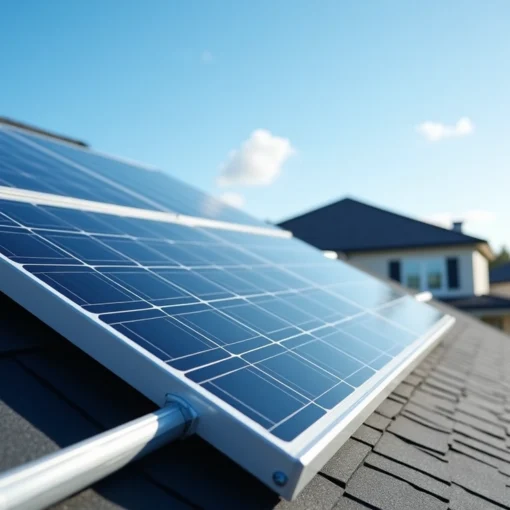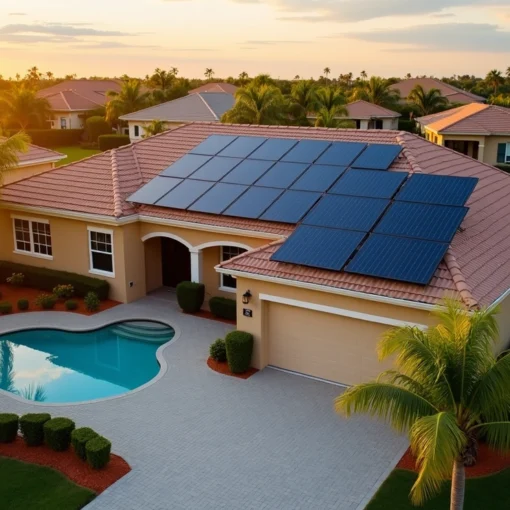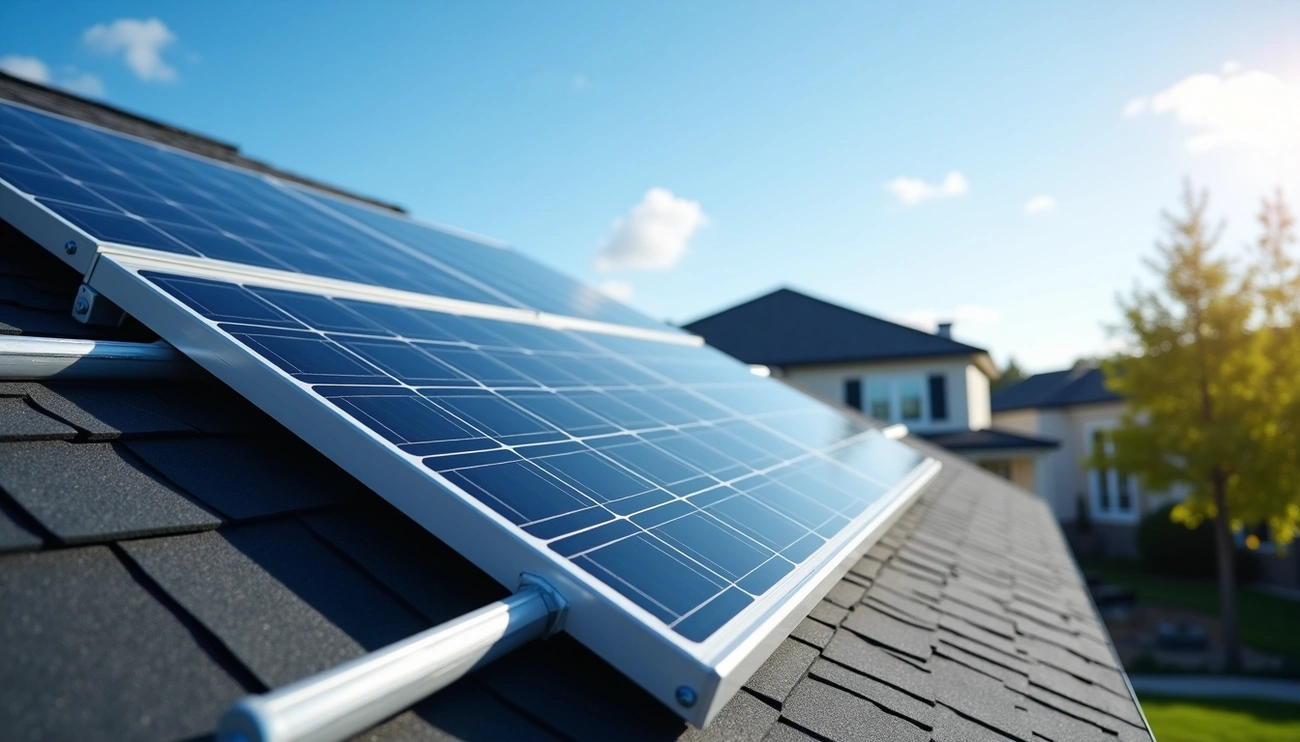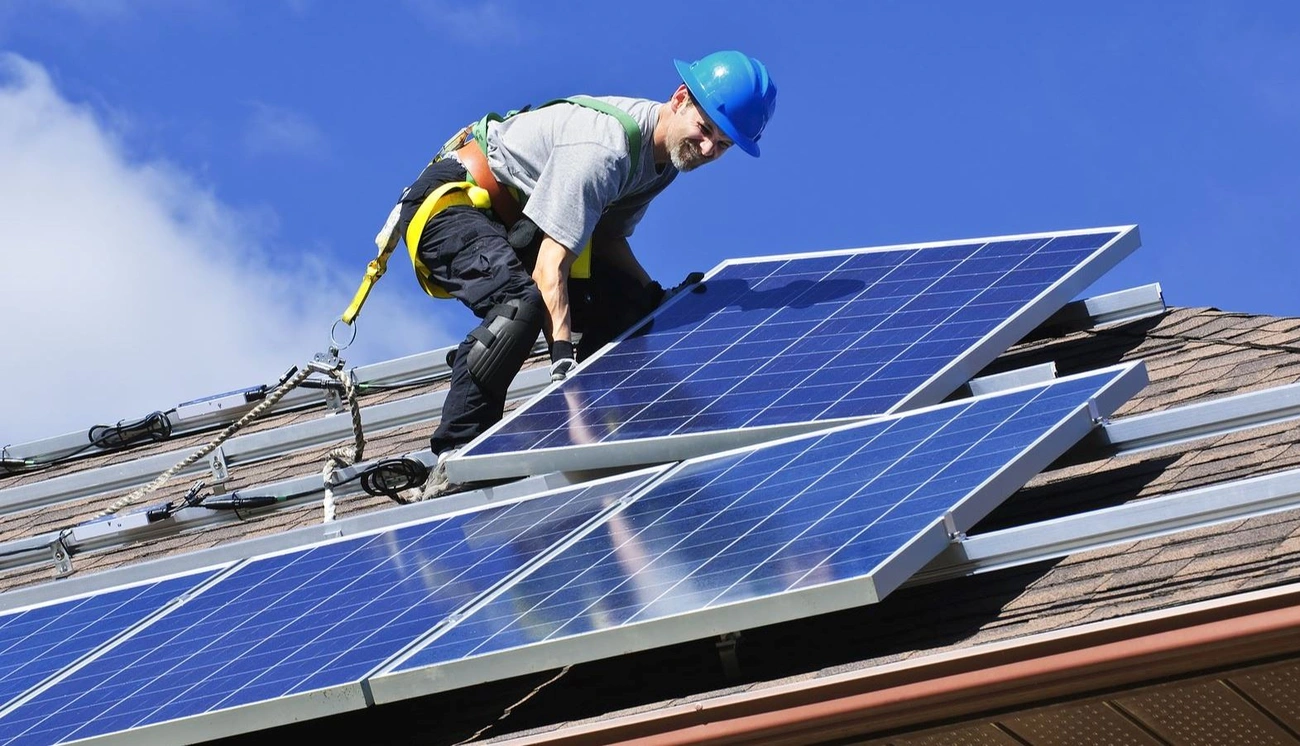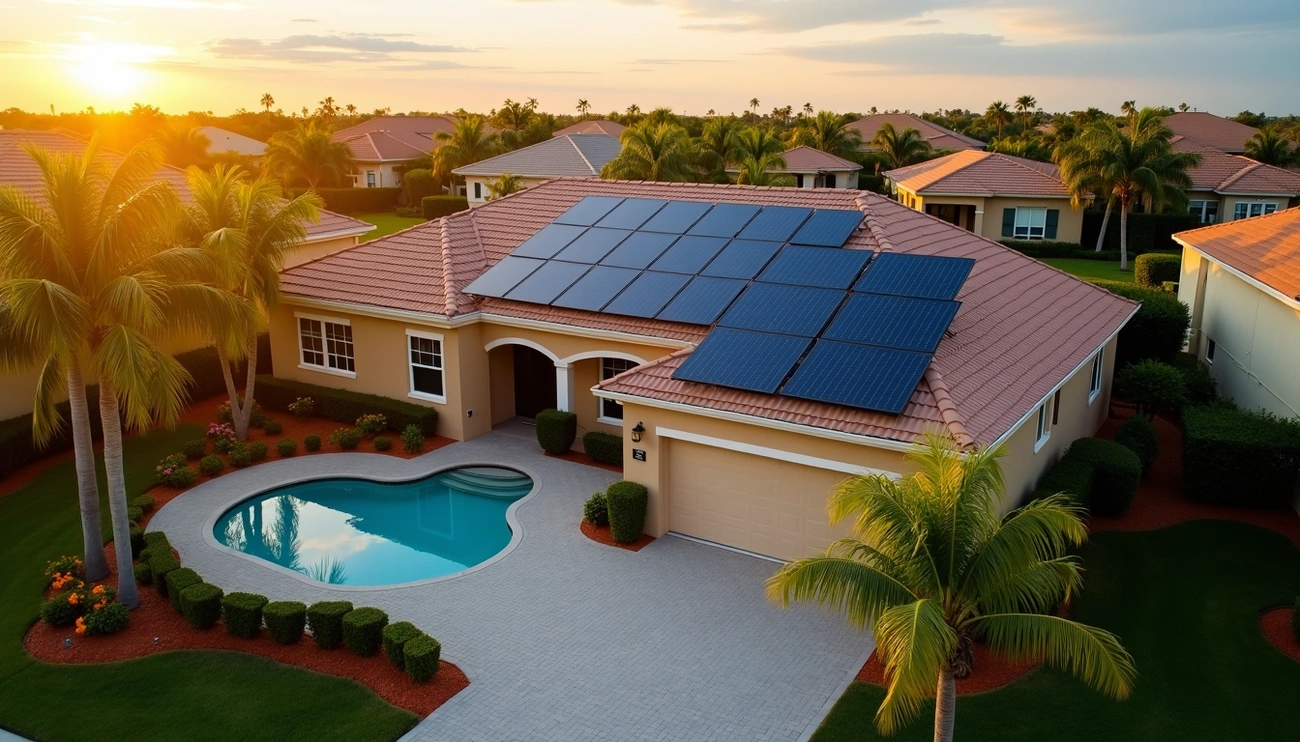
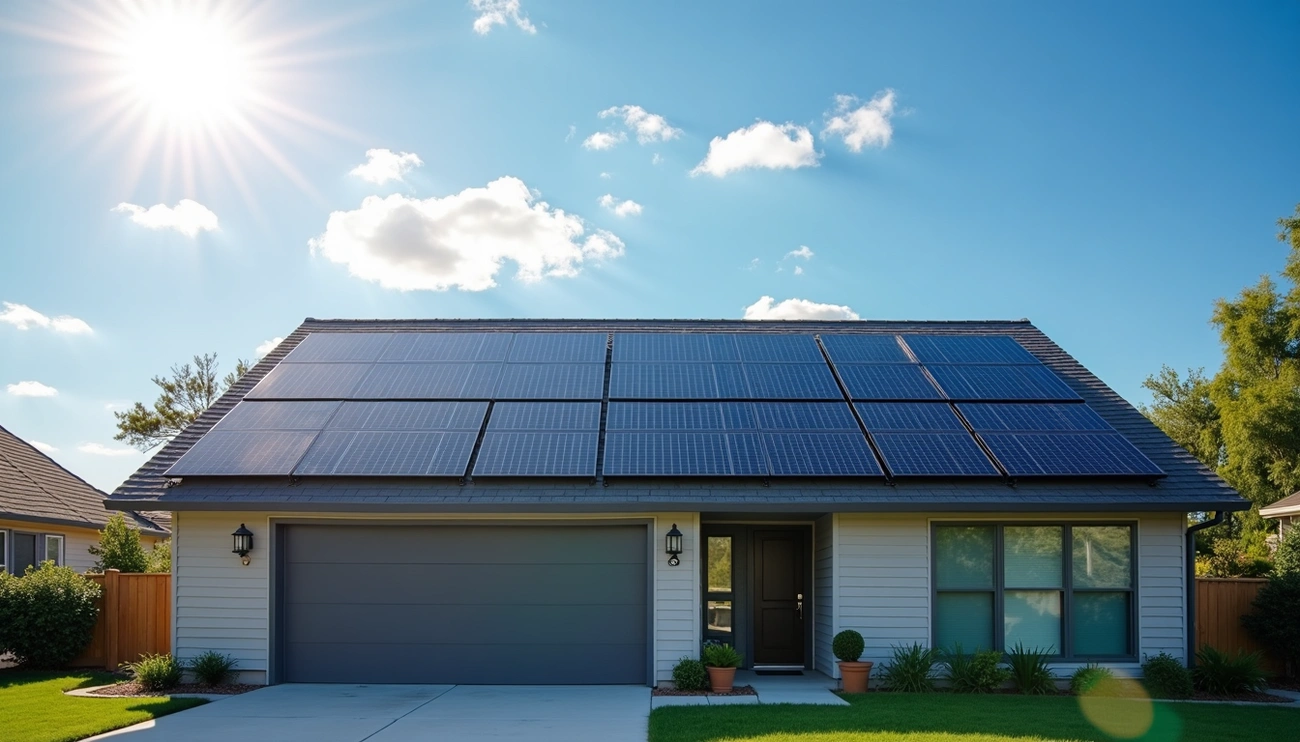
Panasonic solar panels are good quality premium solar panels known for high efficiency and strong reliability. Panasonic panels reach efficiency levels up to 22% and perform well in hot climates due to a low temperature coefficient of -0.26%. Panasonic provides a 25-year warranty covering product, performance, and labor for residential solar systems.
What Experts Say About Panasonic Solar Panels
Expert ratings and rankings
Multiple independent reviewers have evaluated Panasonic solar panels favorably across different metrics. Solar Commission rated Panasonic at 90/100, while SolarReviews ranked them 7th among solar panel brands for U.S. homeowners in 2024. In fact, Forbes found that 83% of Panasonic customers would recommend the company to others. When it comes to specific performance categories, Panasonic received highest scores for module quality, company financial performance, and warranty coverage.
Performance in real-world conditions
Panasonic panels deliver exceptional performance in challenging environments, particularly in high temperatures. The company achieved the world’s highest output temperature coefficient at -0.258%/°C for mass-produced silicon photovoltaic modules. This represents a significant improvement over general silicon solar cells, which typically have a temperature coefficient of -0.50%. As a result, at module temperatures of 75°C (common in summer months), Panasonic modules experience 46% higher conversion efficiency compared to conventional silicon products.
The panels also demonstrate remarkable long-term reliability. TÜV testing revealed no measurable loss of performance after 12 years of operation (2004 to 2016), with energy efficiency remaining at 92% after 25 years. Similarly, the error rate after more than 10 years of use in Europe stands at less than 0.005%. Annual degradation rates range between 0.35% and 0.35% on the best models, guaranteeing approximately 91.1% output at the end of the warranty period.
Technology advantages
Panasonic’s heterojunction (HJT) technology, marketed as HIT, combines monocrystalline and amorphous silicon layers to reduce power loss during energy generation. Due to this design, fewer electrons are lost on the silicon layers, making the cells more efficient. The pyramid structure on the panel surface reduces reflection and directs more sunlight into the solar cells, maximizing electricity output. This technology produces 27% higher performance for the same roof area with 24% lower balance of system costs.
Industry recognition
Panasonic received an “A” rating from CDP for four consecutive years in recognition of climate change initiatives. The company is also a 12-time recipient of the EPA’s highest recognition for continued leadership in the ENERGY STAR program. Furthermore, Panasonic’s authorized installer program, introduced in 2016, recognizes dealers who maintain the company’s high standard of excellence.
Panasonic EverVolt Solar Panel Specifications and Models
Panasonic offers multiple EverVolt series, each designed for specific performance requirements and roof configurations.
HK2 Black Series
The HK2 Black Series represents Panasonic’s most powerful residential modules. The 430W model achieves 22.2% efficiency, while the 420W version reaches 21.7%. Both models feature 132 half-cut cells with heterojunction technology and gapless connections. Notably, these panels maintain a temperature coefficient of -0.24%/°C, slightly better than earlier series. The modules guarantee 92% power output after 25 years.
H Series and HK Black Series
The H Series modules produce 410W at 22.2% efficiency and 400W at 21.6% efficiency. These panels use 66 half-cut cells with heterojunction technology. At this time, they operate with a temperature coefficient of -0.26%/°C.
In contrast, the HK Black Series delivers identical wattage ratings (410W/400W) and efficiency levels (22.2%/21.6%) but employs 108 cells instead of 66. Both series guarantee 92% of original performance at the end of their 25-year warranty period.
PK Black Series
Unlike the heterojunction models, the PK Black Series uses Passivated Emitter and Rear Contact (PERC) technology. The 370W model achieves 20.3% efficiency, while the 360W version reaches 19.7%. These modules feature 60 half-cut cells and guarantee power output of at least 86% in the 25th year after installation.
Temperature coefficient performance
Temperature coefficients vary across Panasonic’s lineup. The HK2 Black Series performs best at -0.24%/°C, followed by the H Series and HK Black Series at -0.26%/°C. The PK Black Series shows -0.34%/°C for maximum power, though its open circuit voltage coefficient remains at -0.26%/°C.
Panasonic Solar Panel Price and Value Analysis
Average installation costs
Panasonic solar panel price ranges from $2.61 to $3.45 per watt on the EnergySage Marketplace. For a standard 6kW system, homeowners pay between $15,660 and $20,700 before applying any incentives. These figures represent complete installation costs, not just panel prices.
Specifically, the panel modules themselves cost approximately $0.78 per watt. However, when factoring in installation labor, inverters, mounting hardware, and other system components, the total price increases to $2.80-$3.40 per watt.
How pricing compares to competitors
In view of competitive positioning, Panasonic falls within the mid-range pricing tier. The panels cost slightly less than LG modules, which average $0.81 per watt. Panasonic comes out ahead by $0.03 per watt in this direct comparison.
When compared to Tesla systems, Panasonic offers better value. Tesla’s 6kW systems range from $18,180 to $21,000, placing them at the higher end of the premium segment. On the other hand, budget brands typically cost $2.00-$2.50 per watt, making Panasonic systems 15-35% more expensive than entry-level options.
Federal tax credits and incentives
The federal solar tax credit reduces Panasonic system costs by 30%. Consequently, the net cost for a 6kW Panasonic system drops to $10,962-$14,490 after claiming this credit. For instance, homeowners can claim this deduction through IRS Form 5695.
Panasonic currently offers a $250 rebate on all EverVolt panels through EnergySage. This credit remains available at 30% for systems installed through 2025. Systems installed after December 31, 2025 no longer qualify for the federal solar tax credit.
Warranty Coverage and Long-Term Support
25-year product warranty details
Panasonic warrants EverVolt solar panels for 15 years from the warranty start date, or 25 years if the installation is registered within 60 days through their web portal. The warranty start date begins on the earlier of two events: the date of product interconnection to the grid, or 6 months following delivery to the original owner. Under this warranty, Panasonic covers defects in materials and product workmanship under normal application, installation, use, and service conditions.
Performance guarantee terms
The power output guarantee starts at 98% of the designated Maximum Power for the first year. Following the initial year, the degradation rate caps at 0.25% per year for the next 24 years. By the end of year 25, the power output remains at least 92% of the original rated capacity. Power output measurements follow Standard Test Conditions with irradiance of 1000 W/m², cell temperature of 25°C, and air mass AM1.5g. Panasonic allows a ±3% measurement tolerance range when confirming warranty claims.
AllGuard warranty benefits
The AllGuard warranty expands coverage beyond panels to include Enphase microinverters, Enphase Envoy communication gateway, Enphase IQ Combiner, and Unirac racking systems. This full-system labor warranty applies when panels pair with Enphase microinverters purchased from Panasonic. In addition, the EverVolt AllGuard covers systems combining Panasonic panels with the EverVolt Home Battery System, including Unirac and IronRidge racking. The TripleGuard warranty applies to standalone panel installations without microinverters or battery storage.
Labor coverage with authorized installers
Labor coverage requires two conditions: installation by a Panasonic authorized installer and registration within 90 days of installation. Panasonic covers necessary and reasonable shipment and labor costs at pre-approved rates for products installed by authorized installers. Without authorized installation, homeowners receive product and performance warranties but must cover labor expenses themselves.
Discontinuation impact on existing warranties
Panasonic has stated all warranties will be honored, including for products not yet installed. The company remains committed to supporting installations throughout their warranted life. However, support is expected to gradually taper off as third-party vendors assume future support roles. Panasonic continues providing warranty support through their website and a dedicated email channel. Warranty rights transfer to new homeowners when properties with Panasonic systems are sold.
Conclusion
Panasonic solar panels delivered exceptional quality, efficiency, and warranty coverage before the company exited the market. Despite the discontinuation, existing warranties remain valid and will be honored throughout their 25-year terms. Given that you’re considering solar panels, we recommend exploring current alternatives from top-rated manufacturers. However, if you already own Panasonic panels, you can rest assured your investment stays protected. Your system will continue performing reliably for decades to come.