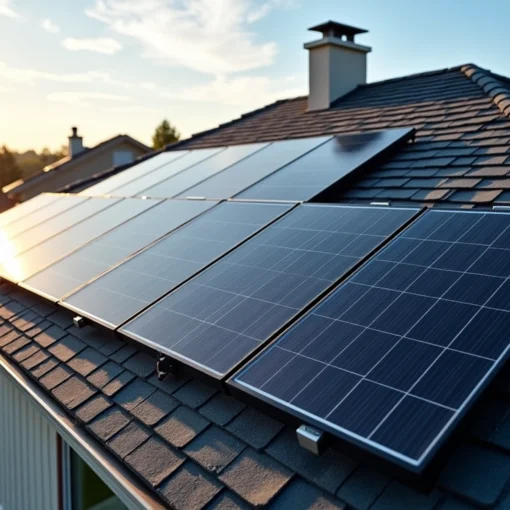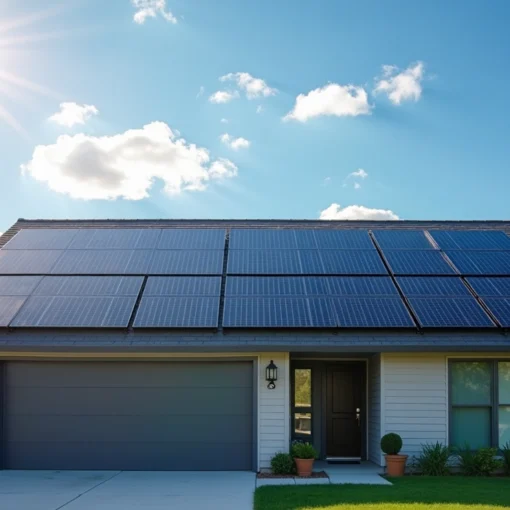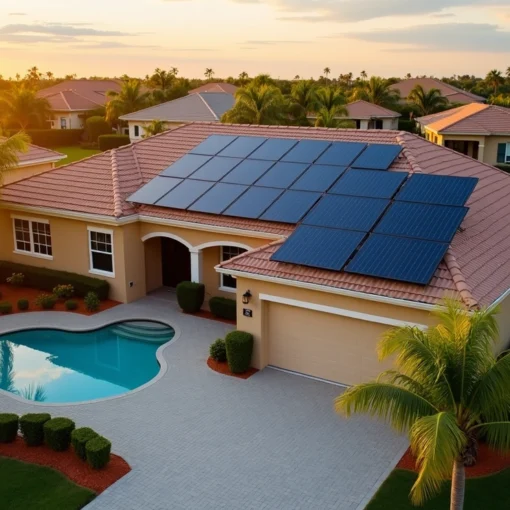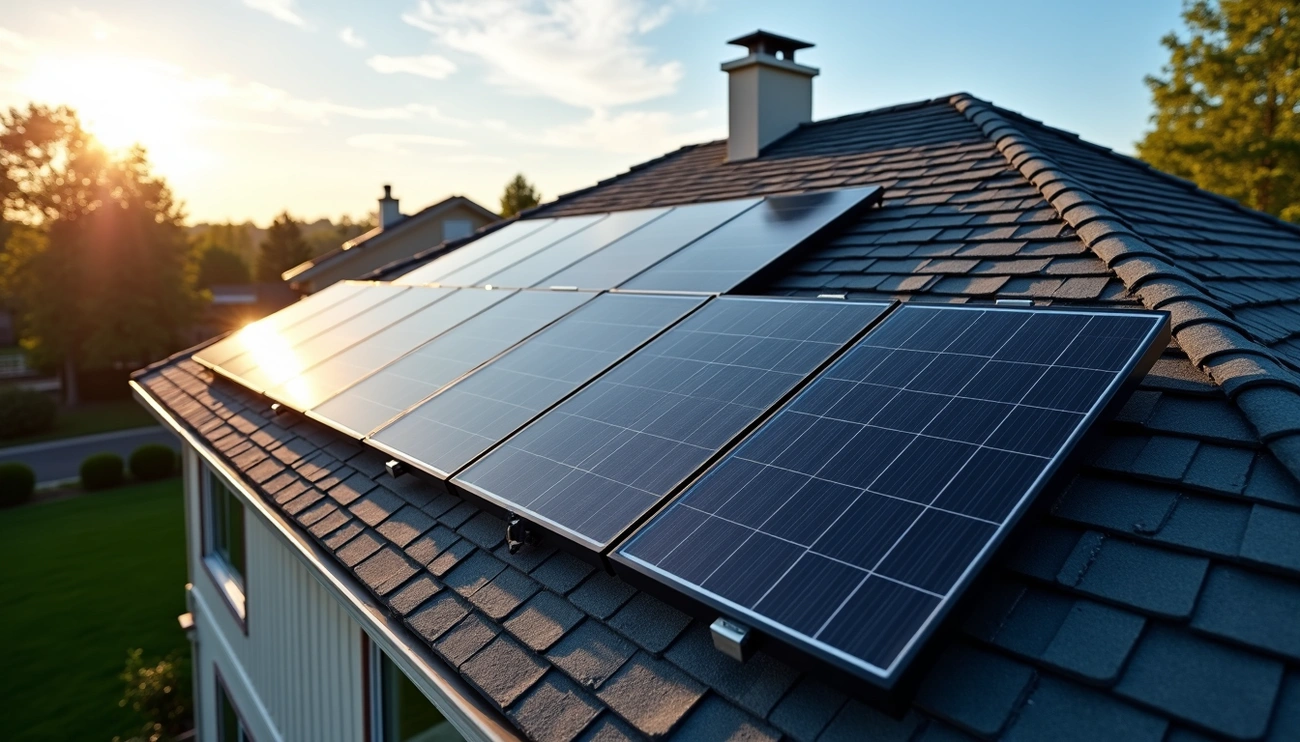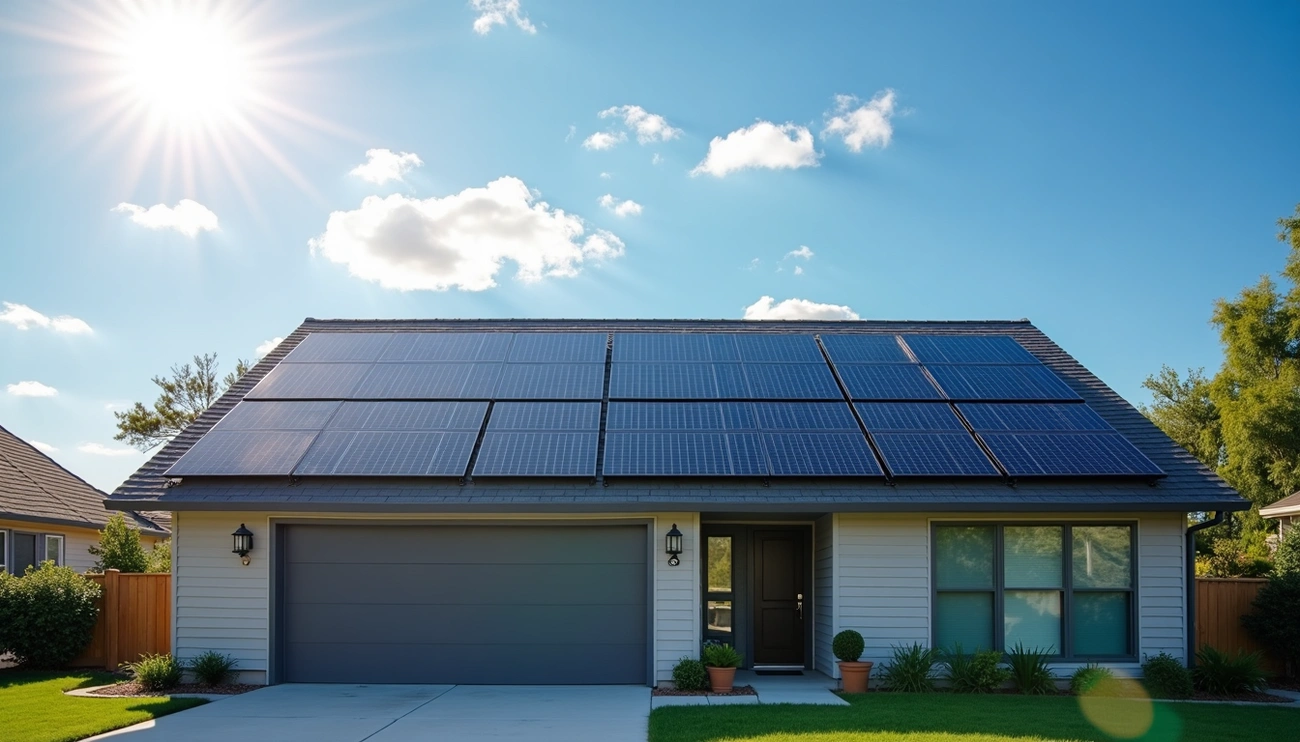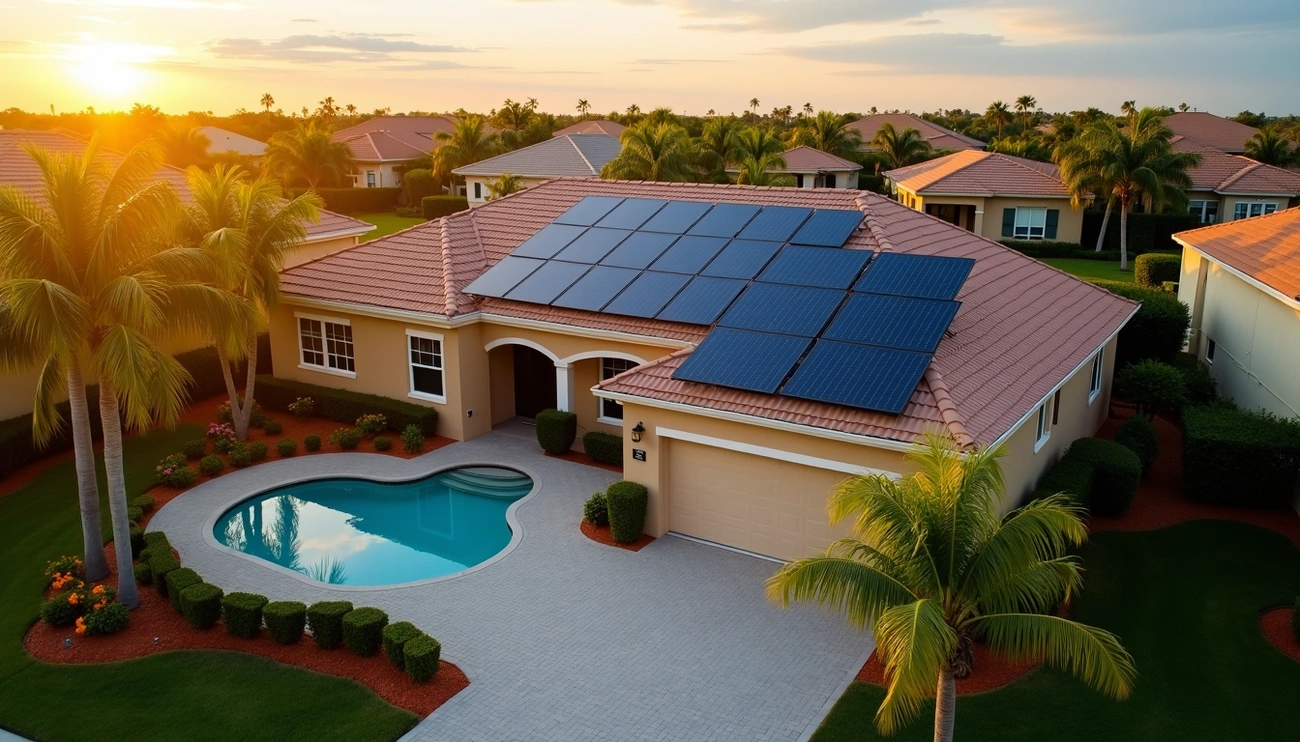
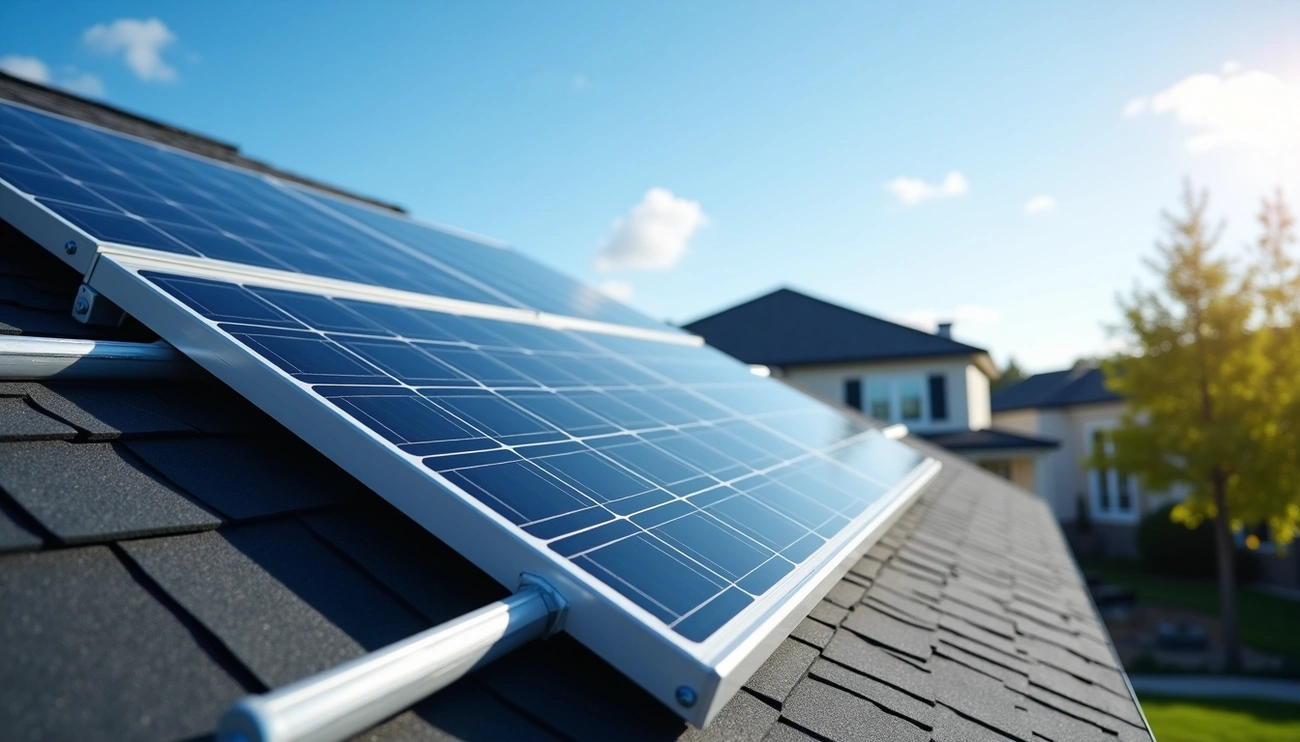
Jinko Solar panels are good quality solar panels known for high efficiency and strong value. Jinko panels reach efficiency rates up to 24% and receive quality ratings around 86–89 out of 100. The company is one of the world’s largest solar manufacturers and offers warranties from 12 to 30 years, making Jinko panels a reliable and cost-effective option for residential solar systems.
Jinko Solar company background and market position
Manufacturing scale and global presence
Founded in Shanghai in 2006, Jinko Solar has grown into a manufacturing giant with operations spanning multiple continents. The company operates more than 10 production facilities across China, the United States, Southeast Asia, and the Middle East. These facilities produce panels sold through 120 global marketing branches and 35 service centers.
The scale of operations is substantial. By the end of 2025, Jinko’s annual production capacity will reach 120GW for mono wafers, 95GW for solar cells, and 130GW for solar modules. To put this in perspective, the company employs over 15,000 people globally, with facilities in Vietnam, Malaysia, and Florida producing their Eagle modules for the North American market.
Jinko’s products have reached nearly 200 countries and regions, serving approximately 4,000 customers. By June 2025, the company became the first module manufacturer worldwide to deliver 350GW of solar modules cumulatively. Their Tiger Neo series alone has shipped nearly 200GW globally, making it the best-selling PV module series in history.
Financial stability and Tier 1 status
Financial credibility matters when purchasing solar panels with 25-year warranties. Jinko Solar has maintained Bloomberg NEF’s “Most Bankable” PV brand designation for 10 consecutive years. In 2024, the company achieved something unprecedented: becoming the only solar module manufacturer to receive a 100% bankability rating.
The company holds dual stock exchange listings. JinkoSolar Holding was listed on the New York Stock Exchange in May 2010, while Jinko Solar was later listed on the Shanghai Stock Exchange’s STAR Board in 2022. This dual listing provides access to both international and domestic capital markets.
BloombergNEF’s Tier 1 status, which Jinko has maintained consistently, is based on evidence that a manufacturer’s modules have been used in projects financed with non-recourse loans. The company also received a AAA rating with a score of 9.4 out of 10 in PV Tech’s Module Tech Bankability Rating Report for Q1 2025.
Years in business and track record
Approaching its 20th anniversary in 2026, Jinko Solar has ranked number one in global module shipments six times. The company shipped 78.5GW in 2023 alone, representing a 76.4% year-over-year increase.
Innovation drives this track record. Jinko holds more than 5,500 patent applications worldwide, with over 3,100 patents granted. The company has broken world records for cell efficiency and module power 31 times, including achieving 34.22% efficiency with its N-type TOPCon-perovskite tandem cell.
Quality testing and performance data
PVEL reliability scorecard results
Third-party validation separates marketing claims from actual performance. Jinko Solar has achieved Top Performer status in PVEL’s reliability scorecard for 11 consecutive years, making it one of only two manufacturers globally to reach this milestone. In the 2025 edition, Jinko earned Top Performer recognition across all seven reliability categories, including thermal cycling, damp heat, mechanical stress sequence, PAN performance, PID, and the newly introduced hail stress sequence.
The hail testing results stand out. Jinko’s EAGLE G6X module withstood impacts from 55mm hailstones, the largest size tested in PVEL’s program. The company has received Top Performer status in this category for both years since the test was introduced.
Independent testing outcomes
Beyond PVEL, multiple testing organizations have validated Jinko’s quality claims. The company received Overall Highest Achiever recognition from RETC for six consecutive years. Testing by TUV Nord revealed that Jinko’s N-type TOPCon modules experienced only 0.26% LID degradation compared to 1.92% for conventional PERC modules. LeTID testing showed even more dramatic differences: 0.09% degradation for N-type versus 1.17% for P-type.
In contrast, PV Labs Australia’s 2023 independent testing placed Jinko in the middle of the pack, scoring 86 out of 100 in round one and 89 out of 100 in round two.
Real-world durability and failure rates
Field data shows Jinko panels degrade between 0.35% and 0.60% annually after the first year. Installers report low failure rates, with the company replacing defective panels under warranty without significant delays.
Temperature coefficient performance
Jinko panels maintain a temperature coefficient between -0.29% and -0.35% per degree Celsius, performing better than the industry average of -0.33%. This translates to less power loss in hot climates.
Jinko solar panel models and specifications
Jinko Solar offers three primary panel series for the North American market, each targeting different performance requirements and budgets.
Eagle G4 series overview
The Eagle G4 series utilizes proprietary Tiling Ribbon (TR) technology that eliminates cell gaps between solar cells to increase module efficiency and power output. The residential 66-cell models range from 370W to 390W with efficiency ratings between 19.38% and 20.43%. Commercial applications can use the 78-cell versions, which deliver 455W to 475W at efficiencies from 20.26% to 21.16%.
These panels feature 9 busbar half-cut cell technology and Fire Type 1 rating with 3.2mm front glass capable of withstanding 45mm hailstones. The series comes with a 12-year product warranty and 25-year linear power warranty, guaranteeing 98% power in year one with maximum 0.55% annual degradation.
Eagle G6 series with N-type technology
The Eagle G6 represents Jinko’s flagship TOPCon technology for residential installations, featuring cell efficiencies exceeding 26%. Module efficiency reaches over 22%, with the JKM580-600N-72HL4-BDV models ranging from 22.45% to 23.23%. Power output spans 580W to 600W across five model variations.
N-type architecture provides 80% bifaciality for enhanced rear-side power generation. The temperature coefficient measures -0.29%/°C, while the enhanced 12-year product and 30-year linear power warranty guarantees 87.4% power retention after three decades.
Tiger Neo series features
The Tiger Neo series employs N-type TOPCon cells across a broad power range. Residential models deliver 410W to 475W, while commercial and utility installations can access panels from 440W to 635W. Standard Tiger Neo efficiency reaches up to 22.53%, but the latest Tiger Neo 3.0 achieves 24.8% module efficiency with 670W output using 27% efficient cells.
Bifaciality reaches 85%, significantly higher than the Eagle G6. The temperature coefficient ranges from -0.29%/°C to -0.30%/°C. Annual degradation measures just 0.4% after the first year, with 87.4% power retention guaranteed at 30 years.
Efficiency ratings comparison
Efficiency varies by series: Tiger Neo 3.0 leads at 24.8%, followed by standard Tiger Neo at 21.00-22.53%, Eagle G6 at 22.45-23.23%, and Eagle G4 at 19.38-21.16%.
Cost vs quality analysis
Price range per watt
A solar system built with Jinko panels costs around USD 2.60 per watt, translating to approximately USD 16,000 for a 6 kW installation before incentives. This pricing sits below the industry average installation cost of USD 18,000. Compared to the national average of USD 3.04 per watt, Jinko’s USD 3.03 per watt positions it competitively.
Price ranges vary by retailer and series. EnergySage lists Jinko systems between USD 2.45 and USD 3.09 per watt, while the newer Tiger Neo series commands premium pricing due to advanced N-type technology.
Warranty coverage details
Warranty terms differ substantially across product lines. The Eagle G4 carries a 25-year product and performance warranty with 84.8% power retention, while the Eagle G6 extends to a 25-year product warranty and 30-year performance warranty guaranteeing 87.4% output.
Tiger N-type series panels feature 15 or 25-year product warranties with 30-year performance coverage. Annual degradation measures just 0.4% after the first year, whereas P-type models maintain 12-year product warranties.
Value for money assessment
Jinko delivers quality without premium pricing. The combination of competitive efficiency ratings and extended warranties creates strong value propositions for budget-conscious buyers.
Comparison with premium brands
Against premium manufacturers, Jinko panels cost considerably less while maintaining comparable performance metrics.
Conclusion
Jinko Solar panels deliver proven quality without premium pricing. After reviewing their 11 consecutive years as PVEL Top Performers, competitive efficiency ratings up to 24.8%, and extended warranties reaching 30 years, the value proposition becomes clear. At roughly $2.60 per watt, these panels cost less than the industry average while maintaining reliability that matches higher-priced competitors. On balance, Jinko offers an excellent choice for homeowners seeking dependable performance on a reasonable budget.