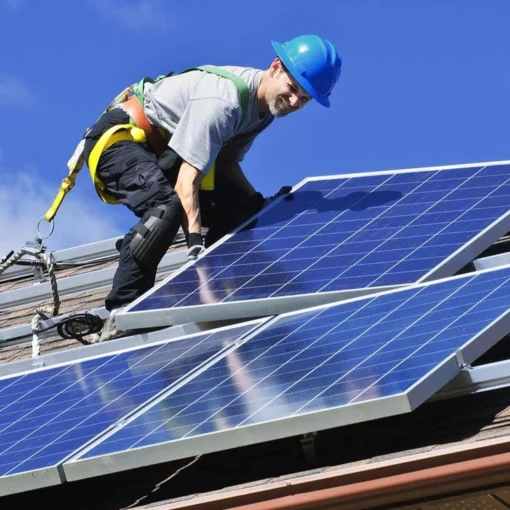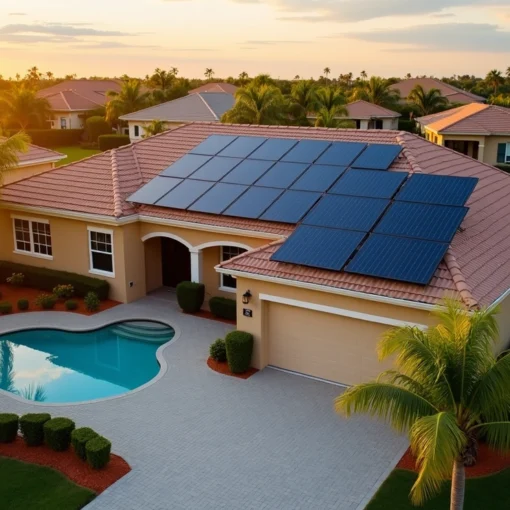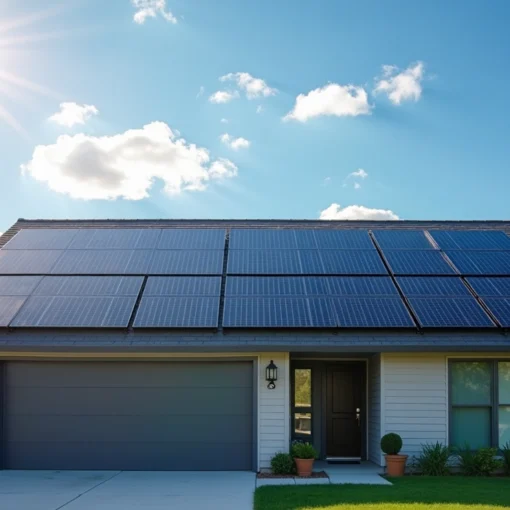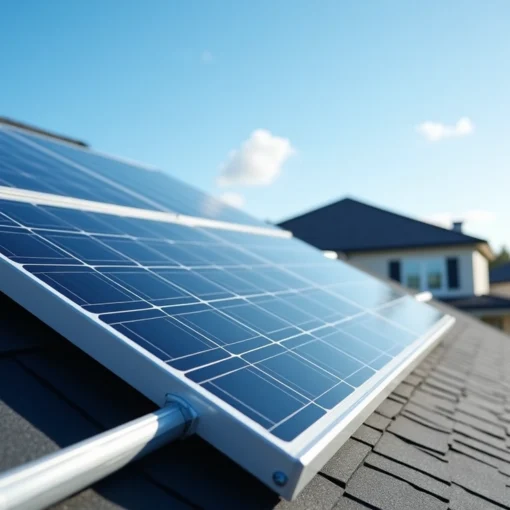
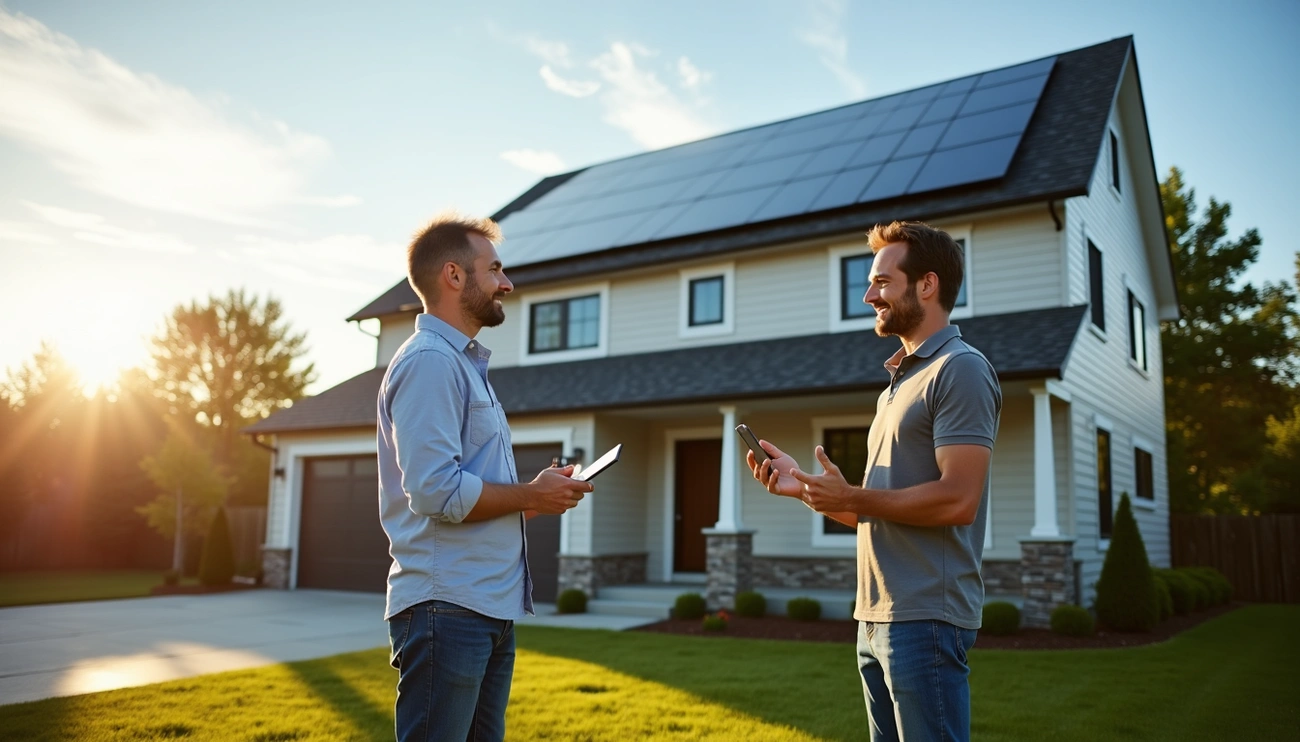
Solar panels are usually covered under homeowners insurance because most policies include them as part of dwelling coverage when mounted on the roof. Ground-mounted systems typically fall under other structures coverage. Insurance protects panels from risks such as fire, wind, hail, and theft, but homeowners should update policy limits to cover the system’s added value.
How Homeowners Insurance Typically Covers Solar Panels
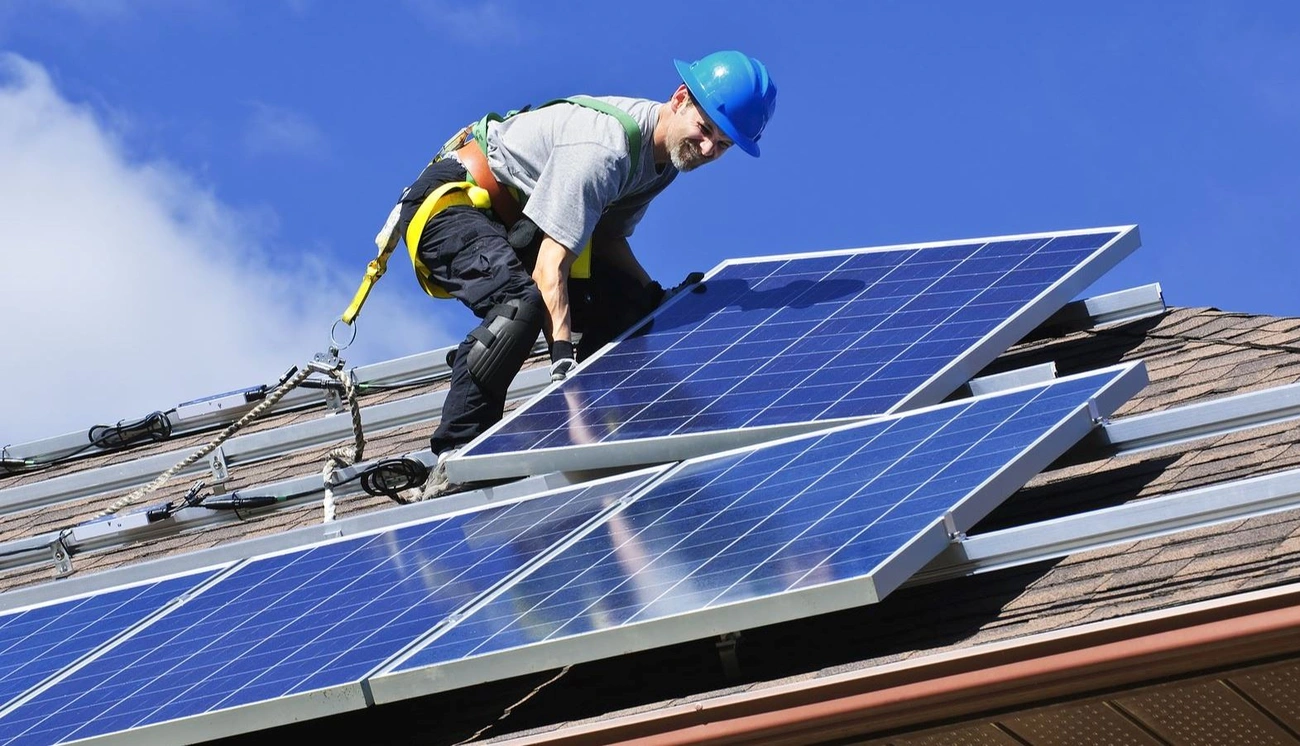
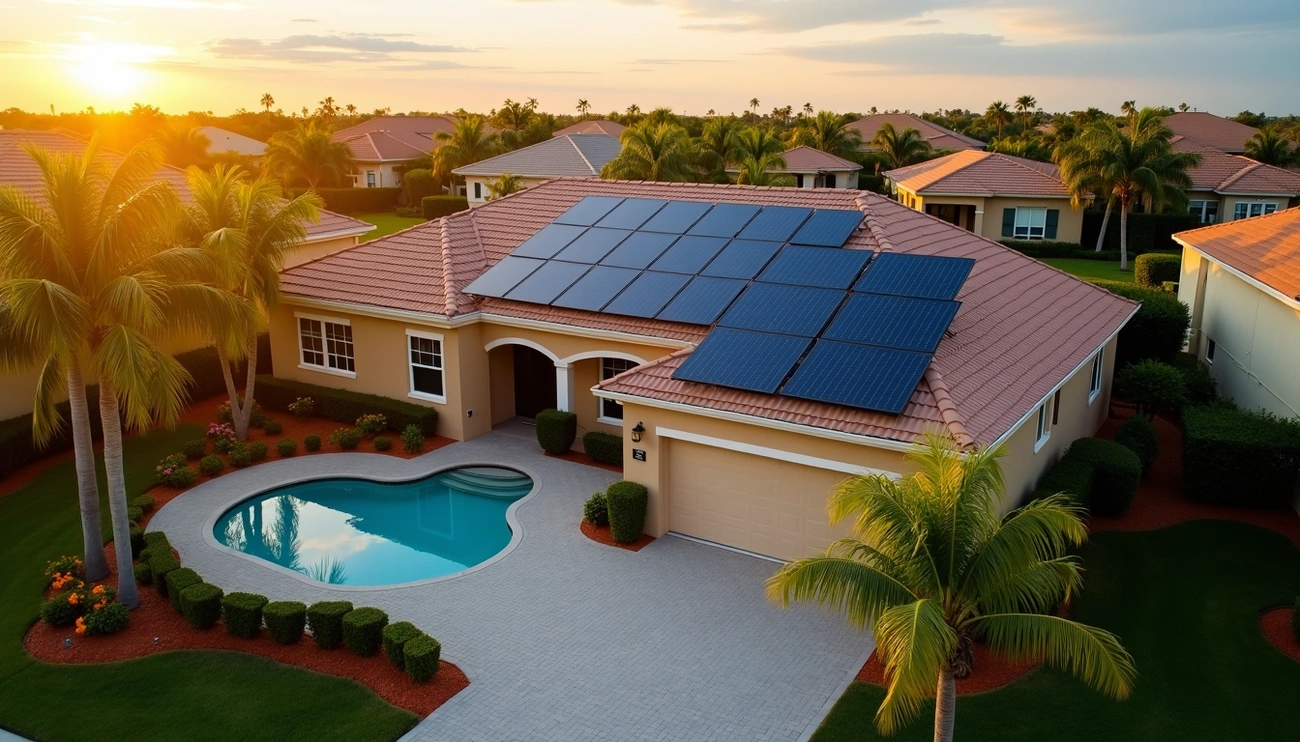
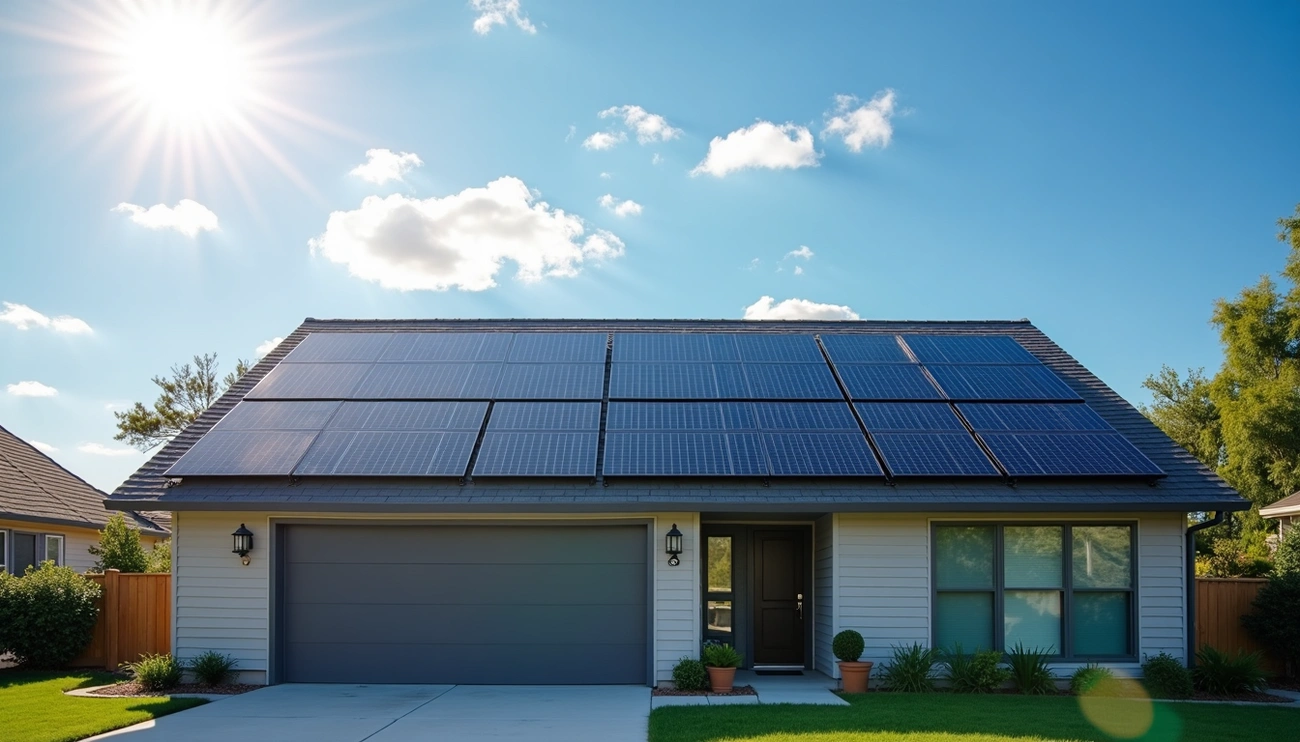
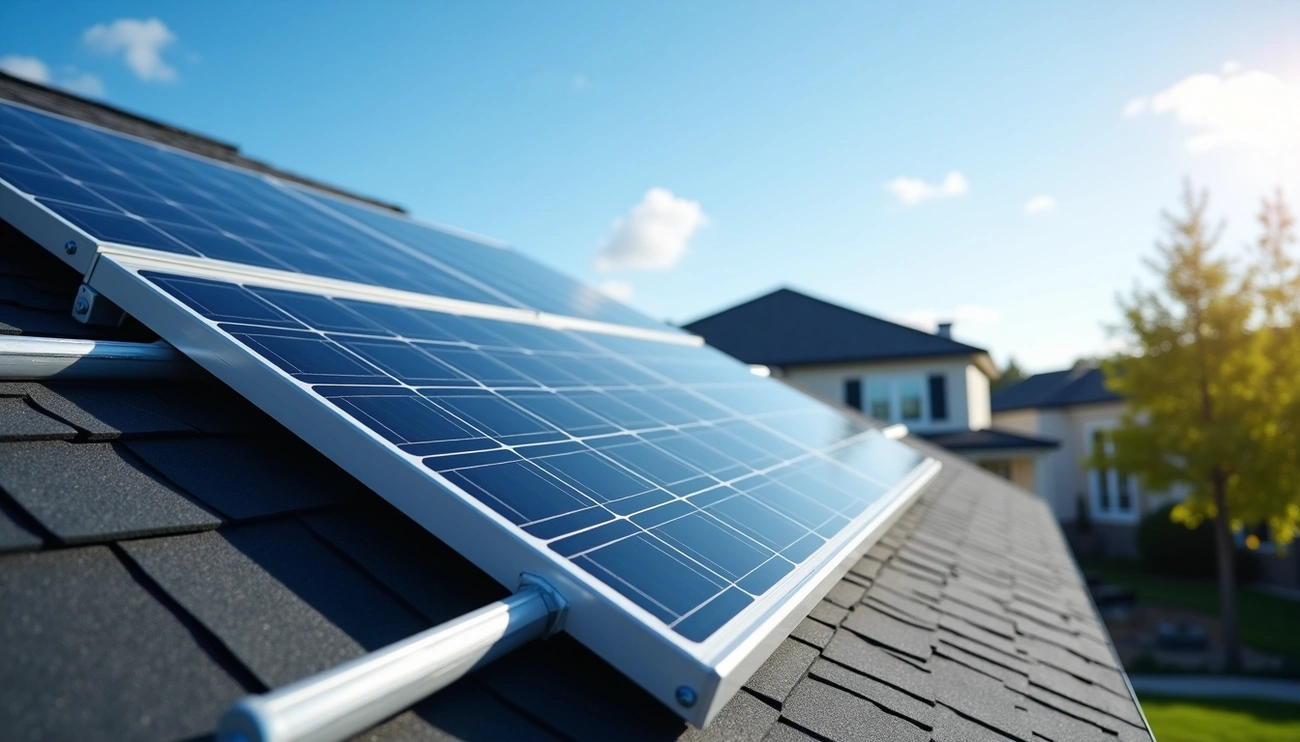
Most homeowners insurance policies treat roof-mounted solar panels as part of your dwelling structure. When panels are permanently attached to your roof, they fall under dwelling coverage, the same protection that covers your home’s physical structure. This classification means you won’t need a separate policy for basic coverage.
Roof-Mounted Solar Panels and Dwelling Coverage
Rooftop solar panels benefit from dwelling coverage because insurance companies view them as permanent fixtures, similar to built-in appliances or security systems. This coverage protects against common perils like fire, hail, lightning, theft, and vandalism. Your coverage limits match your dwelling coverage amount, which typically provides substantially higher protection than other coverage categories.
When you file a claim for roof-mounted panels, the process follows your standard homeowners policy procedures. Your deductible remains the same as other dwelling claims.
Ground-Mounted Solar Panels and Other Structures Coverage
Ground-mounted solar panels face different coverage rules. Most policies classify them under other structures coverage rather than dwelling coverage[52]. This distinction matters because other structures coverage typically carries lower limits than dwelling coverage.
The limitation can be significant. If your home is insured for $300,000, ground-mounted panels would only receive coverage up to $30,000 under standard other structures provisions. For larger systems, this amount may prove insufficient. Some policies may not cover ground-mounted panels at all under standard terms. You might need an insurance rider or separate policy to protect your ground-mounted investment adequately[52].
What Types of Damage Are Covered
Standard homeowners policies typically cover solar panels against fire and smoke damage, lightning strikes, hail damage, wind damage from storms, theft and vandalism, and falling objects like tree branches. Lightning ranks among the biggest causes of solar panel damage, though nearly all policies include lightning coverage.
What’s Not Covered by Standard Policies
Several scenarios fall outside standard coverage. Policies exclude normal wear and tear, deterioration, and maintenance issues[62]. Flood damage requires separate flood insurance[62]. Earthquake damage needs an earthquake insurance endorsement[62]. Manufacturer defects fall under warranties rather than insurance coverage.
Some insurers exclude or limit wind and hail coverage for solar panels in high-risk areas[62]. This exclusion appears especially common in regions prone to major thunderstorms and extreme weather. Damage from improper installation typically isn’t covered by homeowners insurance[62].
How Solar Panels Affect Your Home Insurance Premiums
Adding solar panels will increase your insurance premium, though the amount varies considerably. Most homeowners see premiums rise anywhere from a few extra dollars monthly to a few hundred dollars per month. Annual increases typically range from $13 to $100, while monthly adjustments often fall between $15 and $50.
Increased Property Value and Replacement Costs
Solar systems cost $29,649 on average in 2025, adding between $10,000 and $25,000 to your home’s resale value. This increase triggers premium adjustments because your policy’s coverage limit needs to match the higher replacement cost. If your current coverage limit doesn’t account for your solar panels, you may not receive full compensation after a covered loss.
Your premium can increase if solar panels push your home’s replacement value beyond your existing coverage limit and you decide to raise your coverage amount. The cost increase remains modest relative to the investment being protected.
Installation Type and Location Considerations
Roof-mounted panels typically integrate into dwelling coverage calculations more seamlessly. In contrast, ground-mounted systems and carports may require separate endorsements, which can affect your premium structure. The placement of panels influences how insurers assess risk and price coverage correspondingly.
Regional Risk Factors and Climate
Where you live significantly impacts premium changes. In low-risk areas like Arizona, you might see minimal increases. However, homeowners in hurricane-prone Florida or tornado-heavy Midwest regions could face substantially larger increases. High-risk states like Texas might see annual premiums rise by $40 to $150 for systems valued between $15,000 and $40,000.
Southwest regions face lower hail risk but higher heat exposure, while coastal areas must consider hurricane and storm surge factors.
Why You Should Notify Your Insurer Before Installation
Contact your insurance company before signing a solar contract. Failing to inform your insurer means your policy hasn’t been priced to include the added value and risk, which can lead to claim denials. Review your current coverage limits and ask about solar-specific exclusions before installation.
Special Coverage Situations and Additional Protection
Ownership status determines your insurance responsibilities. If you own your solar panels outright through cash purchase or financing, you bear full responsibility for insuring them. You must contact your insurance agent, adjust coverage limits appropriately, and handle claims directly with your insurer.
Leased vs. Owned Solar Panel Systems
Leased systems operate differently. When you lease solar panels or enter a Power Purchase Agreement, the leasing company owns the equipment and typically maintains insurance coverage. However, don’t assume their coverage is adequate. Some leasing companies may actually require you to insure the panels through your homeowners policy or purchase separate coverage they offer. Review your lease contract thoroughly and request a certificate of insurance from the solar company. Specifically, clarify who covers roof damage if the panels cause structural issues. Provide your lease agreement to your insurance agent to identify potential coverage gaps.
Liability Coverage for Solar Panel-Related Incidents
Your homeowners liability coverage extends to solar panel incidents. If panels damage a neighbor’s property or injure someone, you could face liability claims. Glare from panels or installation issues that affect adjacent properties can trigger disputes, making solid liability coverage necessary.
Equipment Breakdown Coverage
Standard property policies exclude electrical and mechanical breakdowns. Voltage surges can damage inverters, animals can gnaw wiring, and cells can corrode from heat and humidity. These failures fall outside typical homeowners coverage. Equipment breakdown endorsements fill this gap. In one case, an electrical deficiency damaged a transformer requiring three months to replace. The business interruption loss reached $203,000, while direct damage totaled only $38,000.
When to Consider Separate Solar Panel Insurance
Your standard policy may fall short in specific situations. If your insurer excludes wind or hail coverage, or if your ground-mounted system exceeds the other structures limit, you need additional protection. Riders modify your existing policy terms, adding back excluded coverage or raising limits. Standalone solar insurance provides specialized protection covering installation defects, underperformance, and battery storage systems.
Protecting Your Solar Panel Investment
Proper documentation protects your solar investment when filing homeowners insurance claims. Start by taking clear photos of damage and noting when it occurred. Provide your insurer with panel model numbers, installation details, and maintenance records. Claims typically process within 7 to 10 business days. You’ll need itemized invoices, manufacturer labor reimbursement information, inverter logs, before and after photos, and service reports. Respond quickly to adjuster requests and avoid beginning repairs before contacting your insurer.
Filing a Solar Panel Insurance Claim
Leased systems require the solar company to file claims, not you. Keep all system documentation organized and provide repair estimates from qualified solar technicians. Claims often stall when homeowners cannot show proof of maintenance or submit incomplete photos.
Maintenance Tips to Prevent Damage
Regular maintenance increases energy production by around 15%. Professional cleaning averages $150 to $330 per visit, while annual inspection and maintenance plans run $300 to $850. Schedule inspections at least once a year or four times annually as seasons change. Most panels carry 25-year warranties, but DIY repairs can void coverage. Contact your installer for any electrical issues or visible damage.
Questions to Ask Your Insurance Provider
Ask whether your policy covers solar panels at replacement cost or actual cash value. Clarify if roof-mounted and ground-mounted systems receive different treatment, and confirm inverter coverage details.
Conclusion
Generally speaking, most homeowners insurance policies do cover solar panels, but the specifics depend on installation type and your policy terms. The first thing to remember is contacting your insurer before installation. With proper documentation and adequate coverage limits, you can protect your investment effectively. While premiums may increase slightly, the cost remains modest compared to the value you’re protecting. Review your policy carefully and ask the right questions to avoid coverage gaps.