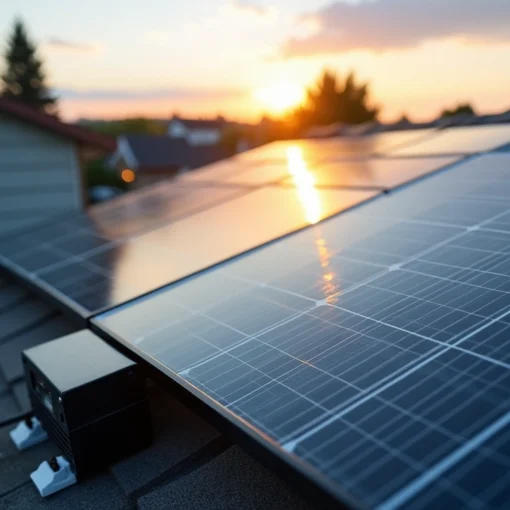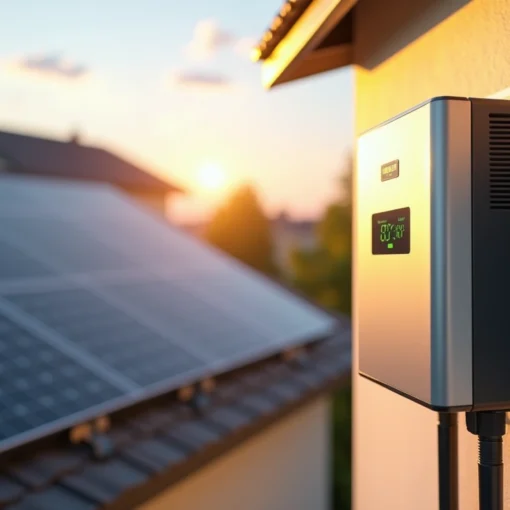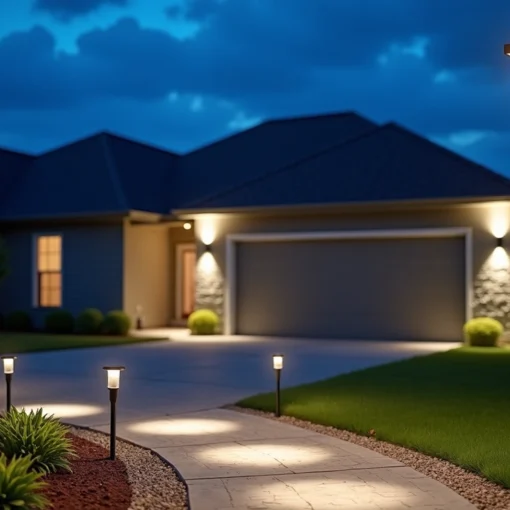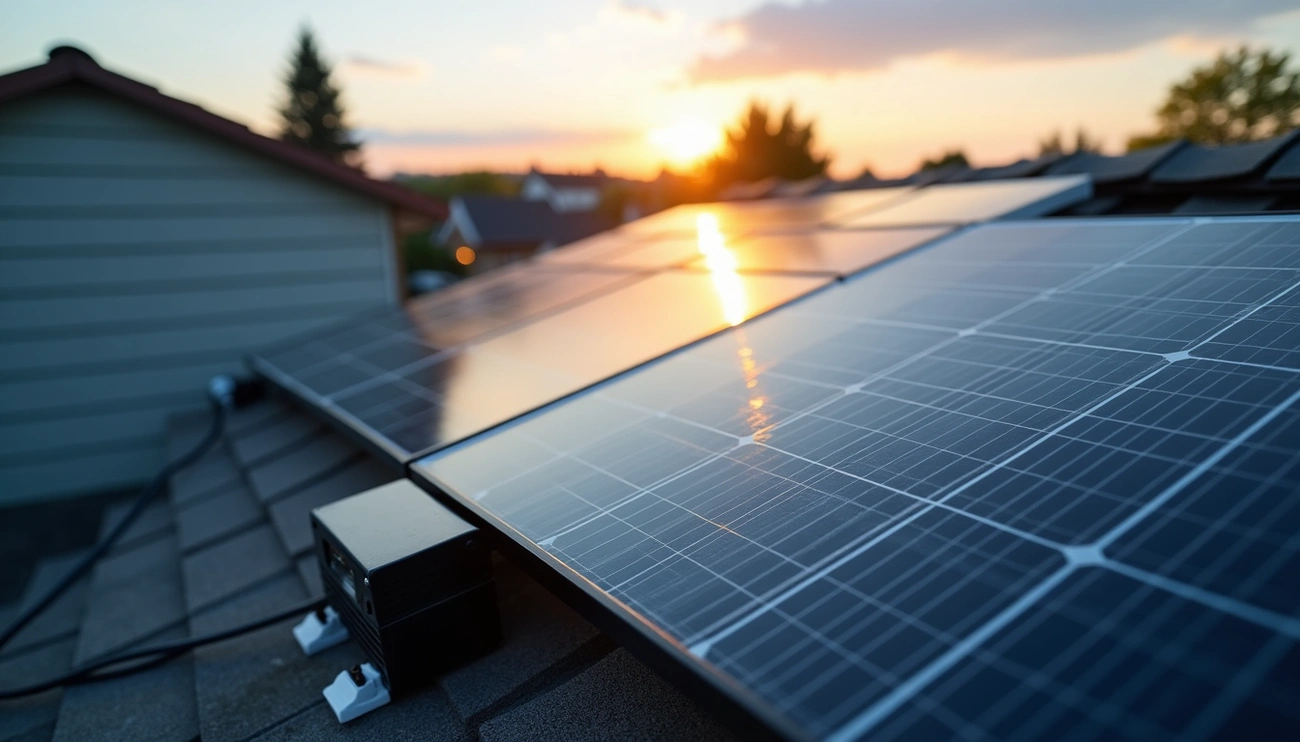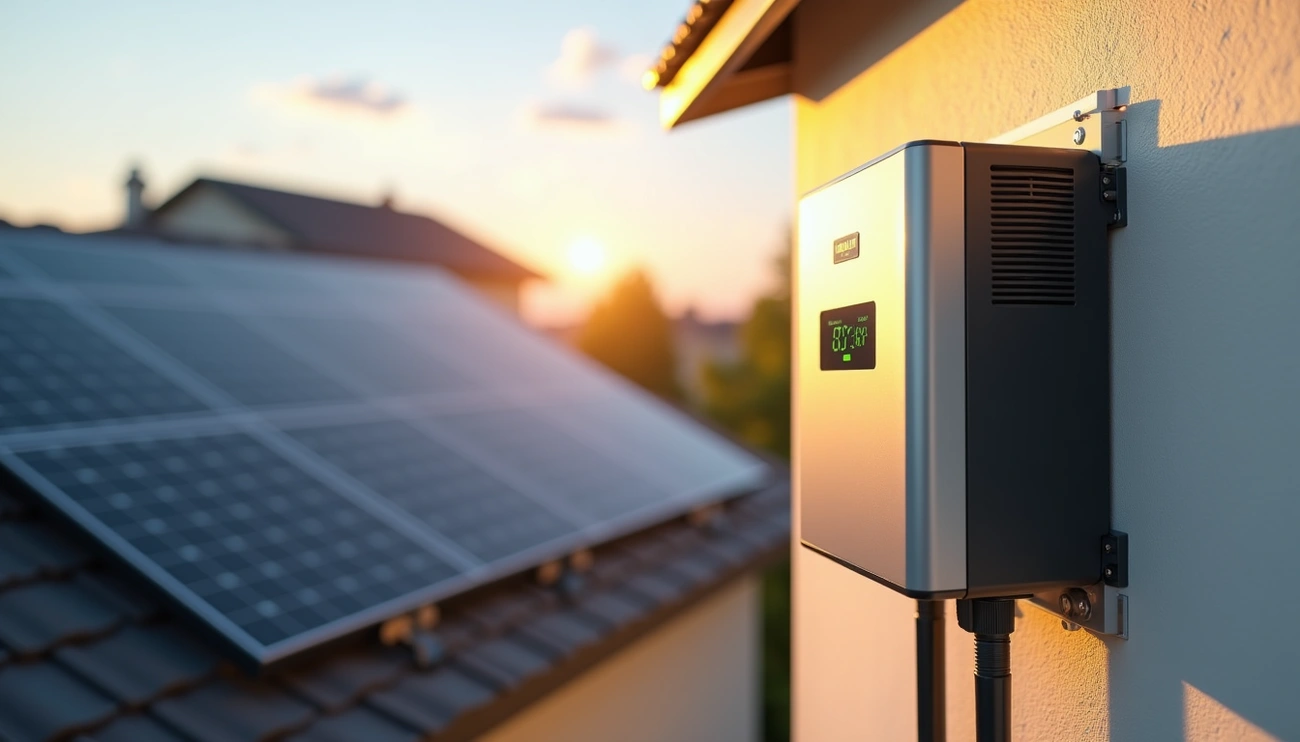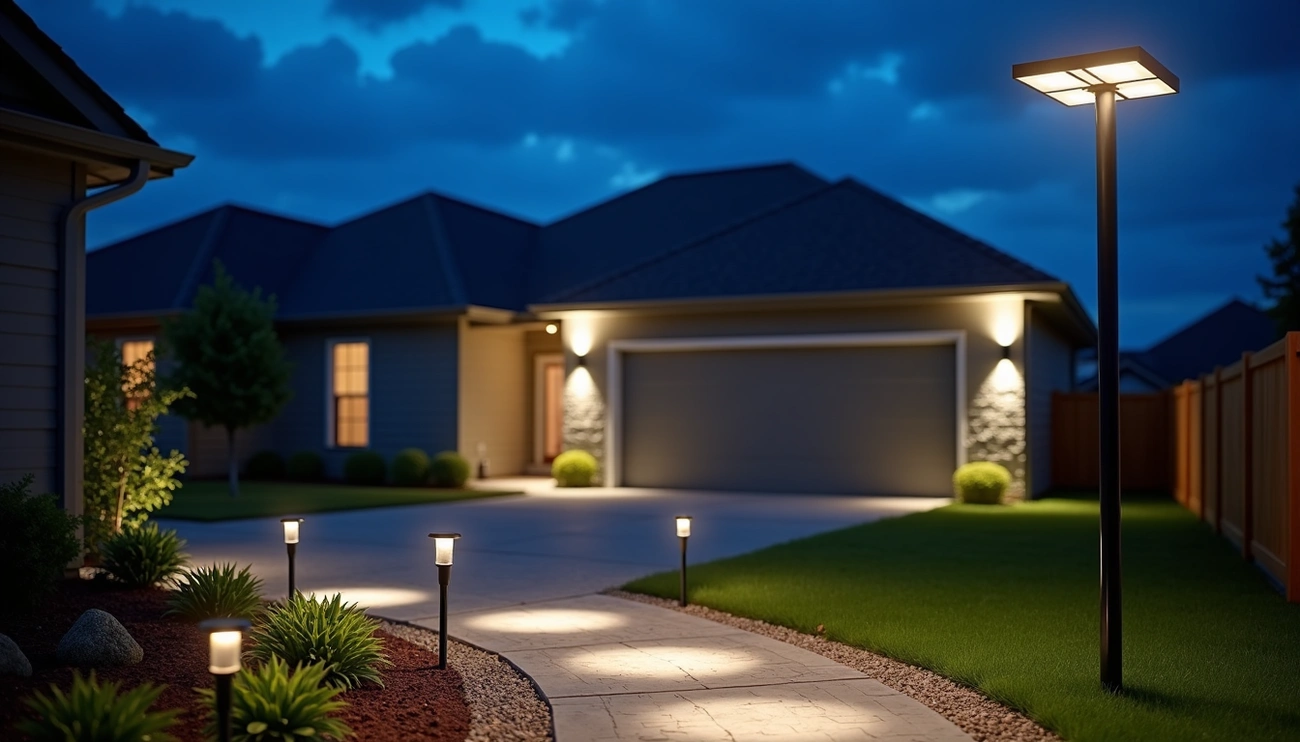
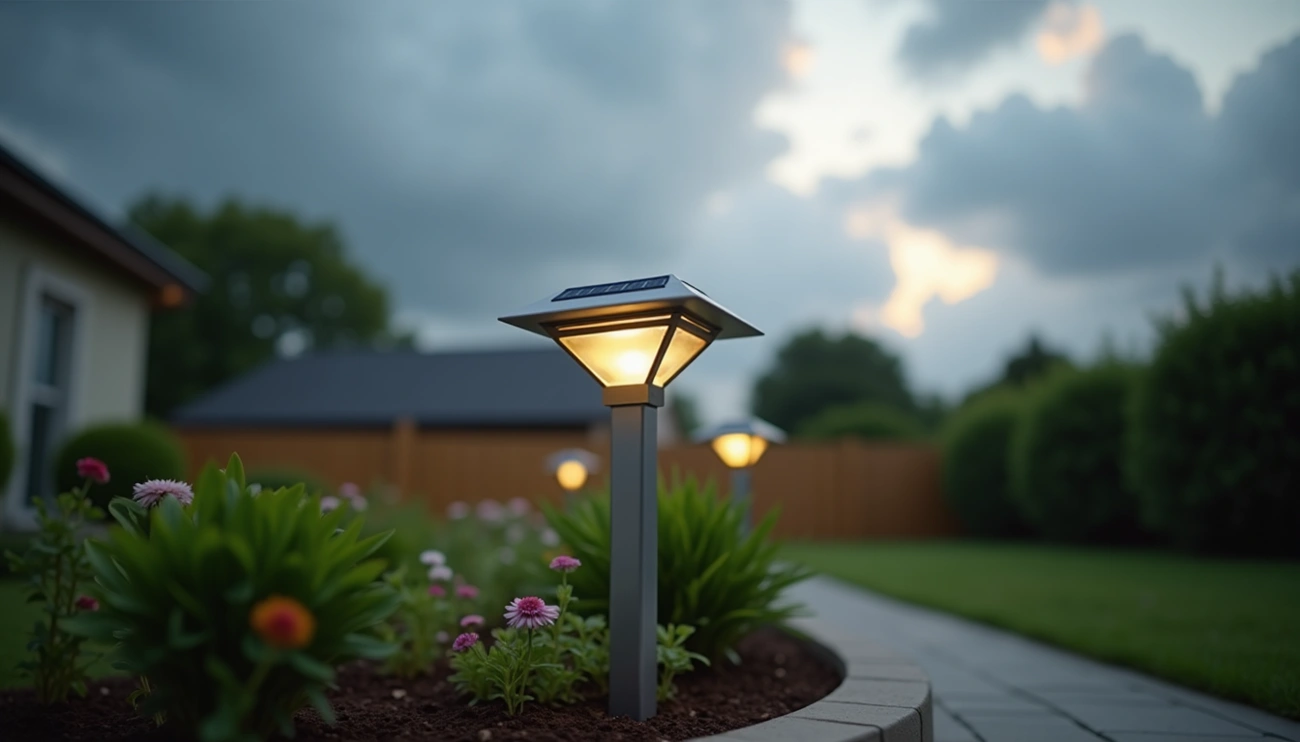
Solar lights charge on cloudy days, but efficiency drops to about 10%–25% of normal output. Solar panels still capture diffused and scattered sunlight through clouds. Reduced charging may cause dimmer light or shorter runtime at night compared to charging in direct sunlight.
Do Solar Lights Charge on Cloudy Days?
Yes, solar lights charge on cloudy days. Panels collect energy from diffuse light that penetrates cloud cover, though charging efficiency drops compared to sunny conditions.
How Solar Panels Work in Cloudy Weather
Solar panels need light photons, not heat. Photovoltaic cells capture two types of sunlight: Direct Irradiance (straight-line path from sun to panel) and Diffuse Irradiance (light scattered by clouds and atmospheric particles).
Clouds don’t block all light. They scatter sunlight in multiple directions, allowing photons to reach your panel through indirect routes. This scattered light maintains charging capability even when direct sun is completely obscured. Panels are engineered specifically to capture this ambient, diffuse light.
Rain actually helps performance by washing away dust and debris that accumulates on panel surfaces. Cleaner panels maximize whatever light is available on overcast days.
How Much Charge Do Solar Lights Get on Cloudy Days
Charging efficiency varies based on cloud density. On cloudy days, panels typically generate about 10% to 25% of their normal output. Light cloud cover allows panels to operate at 70-80% efficiency, while moderate coverage drops production to 40-60%. Heavy overcast conditions reduce output to just 10-25% of peak capacity.
Panel efficiency shifts dramatically. A quality panel operating at 20% efficiency under direct sunlight might only achieve 2-5% efficiency on a heavily overcast day. Monocrystalline silicon cells perform better under cloudy or low-light conditions compared to other panel types.
Some systems produce between 10-40% of rated output depending on cloud density, temperature, and panel angle.
Factors That Affect Charging on Cloudy Days
Cloud thickness determines how much light reaches your panels. Heavy cumulus clouds block up to 90% of direct sunlight, while thinner cirrus clouds only reduce it by 20-30%.
Panel cleanliness matters more on cloudy days. Dirt, dust, debris, and snow can reduce panel efficiency by 25-40%. When you’re already working with reduced light, every percentage point counts.
Shadows drastically reduce power output. Position panels where they receive maximum ambient light throughout the day. Trim back trees and relocate away from building shadows.
Panel size and type affect performance. Larger surface area absorbs more solar energy. Monocrystalline panels with high-efficiency ratings perform better in cloudy weather than polycrystalline counterparts.
Battery capacity becomes your survival mechanism on cloudy days. Rechargeable batteries store electricity from sunnier periods, creating a buffer against extended cloudy weather.
What You Need for Solar Lights to Work on Cloudy Days
Your solar lights need specific equipment and setup to function reliably when clouds reduce sunlight availability.
Proper Solar Panel Size and Quality
Panel quality determines low-light performance. Monocrystalline panels capture 15-20% more energy from diffuse light than polycrystalline panels. Their high-purity silicon structure provides superior electron mobility in low-light conditions, with efficiency ratings between 21-25%.
Larger panels absorb more solar energy even when light is limited. Coupled with high-efficiency ratings, bigger surface area compensates for reduced irradiance on overcast days.
High-Capacity Batteries for Backup Power
Battery capacity measured in milliamp-hours (mAh) determines how much energy your system stores. Standard solar light batteries offer 1000mAh capacity. For regions with frequent cloudy weather, batteries with 2400mAh storage capacity provide added hours of light duration when the sun isn’t shining.
NiMH rechargeable batteries outlast standard options by 4 to 5 times, powering solar lights up to 5 years. Storing excess energy on sunny days creates your buffer against extended cloudy periods.
Optimal Panel Placement and Angle
Panel angle affects how much diffuse light you capture. The best angle typically matches your latitude. Houston at 30 degrees latitude needs panels tilted at 30 degrees, while Denver at 40 degrees requires 40-degree tilt.
In the United States, panels work best facing south to receive sunlight throughout the day. Accordingly, adjusting tilt seasonally maximizes collection: lower angles in summer, higher angles in winter.
Days of Autonomy Explained
Days of autonomy specify how long a fully charged battery bank supports your electrical loads without recharging. In effect, this determines your backup power duration during consecutive cloudy days.
Solar power systems should have battery capacity for at least two days of autonomy. Areas with long cloudy periods require higher autonomy. You calculate this by dividing daily energy usage by battery voltage, then multiplying by required autonomy days.
Do Solar Lights Need Direct Sunlight to Work?
Solar panels respond to visible light spectrum, not just direct sunlight. Photovoltaic cells convert any form of light into electricity, including diffused, reflected, and filtered sunlight. In reality, direct sunlight provides optimal charging, but your lights will still function under various challenging conditions.
Charging in Winter Months
Winter reduces solar light performance through multiple factors. Production drops anywhere from 20% to 53% compared to summer output, depending on your latitude and panel angle. At 20-degree latitude, you’ll see only a 6-13% decrease, while northern locations experience more dramatic drops.
Shorter daylight hours compound the problem. Solar panels receive less total charging time regardless of weather clarity. Lower sun angles mean photons travel through more atmosphere before reaching your panels, reducing intensity.
Surprisingly, cold temperatures actually improve panel efficiency. The real challenge lies in battery performance during freezing conditions. Lithium-ion batteries experience decreased capacity below 50°F (10°C). Position your lights where they’ll capture maximum daylight during shortened winter days.
Charging on Rainy Days
Rain doesn’t stop charging entirely. Panels generate approximately 10-25% of normal power output during rainy weather. Heavy rain and thick clouds permit only 5-15% light transmission, while light clouds allow 50-70%.
Water droplets on panel surfaces scatter and refract incoming light, reducing efficiency by an additional 5-15%. At the same time, rain naturally cleans panels by washing away dust and debris, improving long-term performance once weather clears.
Quality solar lights rated IP65 or higher maintain functionality when wet. Modern systems include energy management features that regulate output based on available battery charge during extended rainy periods.
Performance in Shaded Areas
Shade reduces charging to 10-25% of direct sunlight efficiency. Research shows solar panels operate 20-60% less efficiently in shade than full sun. Partial shade may support 4-6 hours of operation per night, while heavy shade limits runtime to 1-3 hours.
Modern panels include bypass diodes that help shaded cells continue producing electricity safely. Strategic placement away from trees, buildings, and overhead structures maximizes whatever ambient light reaches your panels.
How to Charge Solar Lights Without Sun
Artificial light sources offer backup charging when natural sunlight isn’t available, though with reduced efficiency compared to direct sun exposure.
Using Incandescent or LED Bulbs
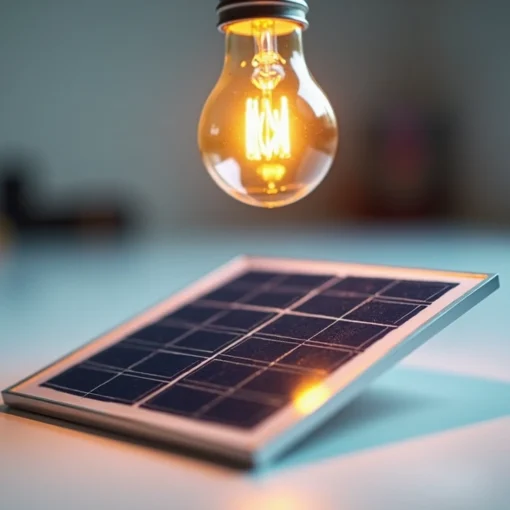
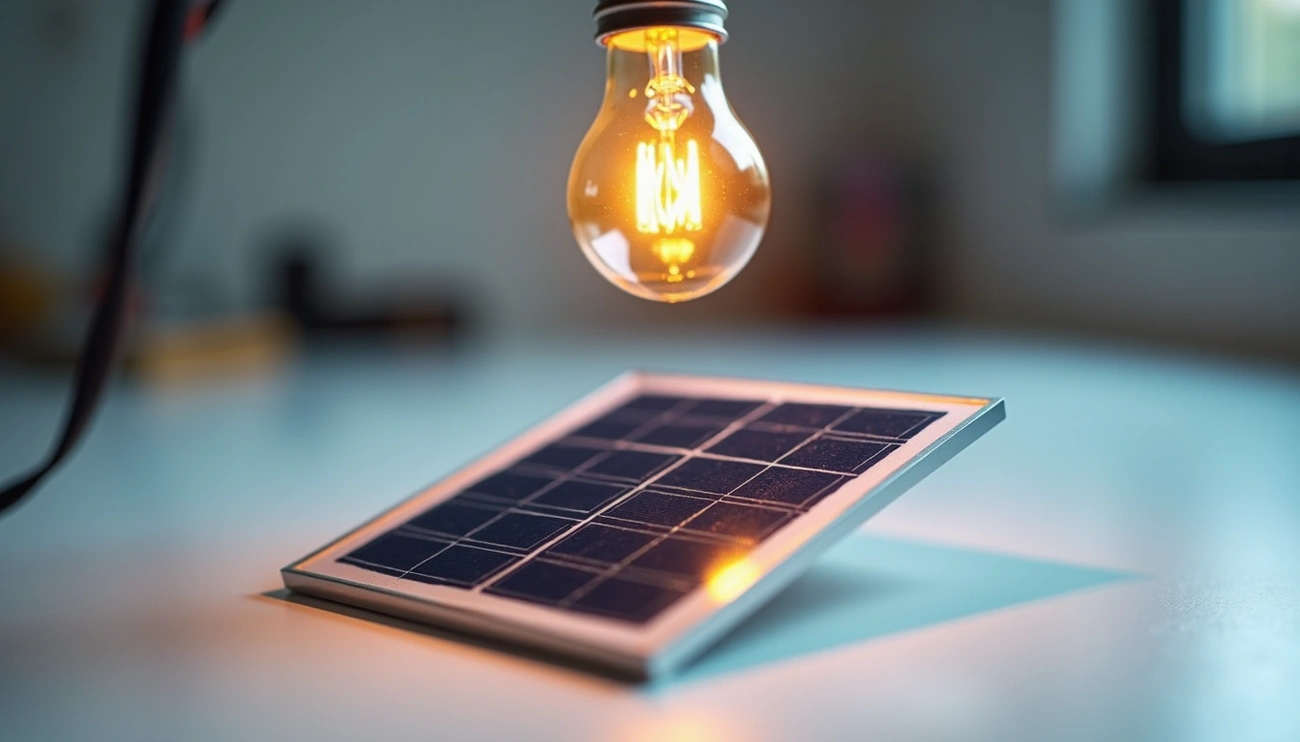
Incandescent bulbs charge solar panels because photovoltaic cells respond to light wavelengths similar to sunlight. Position the bulb a few inches from the panel face for maximum absorption. Charging takes 6-12 hours depending on bulb wattage, with 40W to 100W bulbs yielding best results.
LED lights work similarly and cover a larger spectrum range, making them more beneficial than incandescent options. Expect 10-12 hours of charging time under LED sources. Solar cells produce around 0.1-0.5 watts per square meter under bright indoor lighting (500 lux), compared to 150-200 watts per square meter in direct sunlight.
Never charge panels while the lights are running at night, as this damages batteries and reduces sensitivity during daylight hours.
Charging with Mains Power Supply
Many solar lights include USB ports or connectors for wall socket charging. This direct electrical method provides convenient backup when sunlight remains unavailable for extended periods.
Using Reflective Surfaces to Boost Charging
Mirrors redirect available sunlight onto panels positioned in shade. Use mirrors at least twice the panel size for optimal light capture. Position them diagonally on the ground to maintain a fixed angle. Studies show reflective mirrors can increase system efficiency, with thermal efficiency reaching 74.4%.
Conclusion
Solar lights charge on cloudy days, although at reduced efficiency. As I have shown, your panels will collect 10-25% of their normal output when clouds block direct sunlight. For the most part, success depends on choosing quality monocrystalline panels, high-capacity batteries, and proper placement. Your solar lights will work through winter, rain, and even shade. Take the case of extended cloudy periods: alternative charging methods like incandescent bulbs or reflective surfaces provide backup options. With the right setup, solar lights remain reliable year-round.