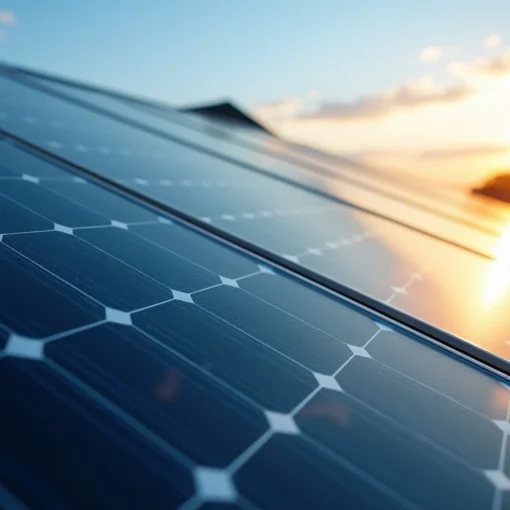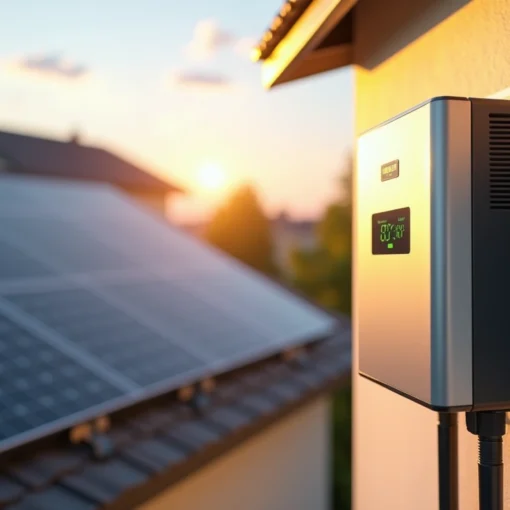

Solar energy is considered renewable because it comes from the sun, a naturally replenished energy source. The sun produces energy through nuclear fusion and is expected to shine for another 4–5 billion years. This long lifespan provides a virtually limitless, continuous, and sustainable supply of clean power.
What Does Renewable Energy Mean?
Defining Renewable vs Non-Renewable Energy
Renewable energy comes from natural sources that replenish at a higher rate than they are consumed. When we talk about renewable resources, we’re referring to energy from continuously occurring natural phenomena. Think of sunlight streaming down each morning or wind that keeps blowing across landscapes. These sources naturally regenerate on a human timescale without depleting the original supply.
Non-renewable energy sources tell a different story. Fossil fuels like coal, oil, and natural gas took hundreds of millions of years to form. Once we extract and burn these resources, they’re gone. We can’t replace them within our lifetime or even within thousands of generations.
Key Characteristics of Renewable Resources
What sets renewable resources apart? According to the International Energy Agency, renewable energy derives from natural processes that are replenished at a faster rate than they are consumed. In 2023, renewable energy provided about 9% of total U.S. energy consumption. The electric power sector accounted for about 39% of total U.S. renewable energy consumption in 2023, and about 21% of total U.S. electricity generation came from renewable sources.
Renewable resources include solar, wind, hydropower, geothermal, and biomass energy. These sources share a common trait: they won’t run out. Water flows through dams, the sun rises daily, and wind continues to blow naturally without human intervention.
Why Energy Source Classification Matters
Understanding energy classification directly impacts our environmental future. Fossil fuels, when burned to produce energy, cause harmful greenhouse gas emissions such as carbon dioxide. Generating renewable energy creates far lower emissions than burning fossil fuels.
The classification between renewable and non-renewable sources helps us make informed decisions about energy security and reducing greenhouse gas emissions. Correspondingly, using renewable energy reduces our dependence on imported fossil fuels. According to projections, U.S. renewable energy consumption will continue to increase through 2050.
Why Is Solar Energy Renewable?
The Sun as an Infinite Energy Source
Solar energy earns its renewable status because the sun has been producing energy for approximately 4.6 billion years. The sun radiates light and heat through nuclear fusion reactions occurring in its core, where hydrogen converts to helium and releases tremendous energy. Since the sun contains 75% hydrogen and 25% helium in perpetual combustion, this process will continue for roughly another 5 billion years.
The sun sits about 93 million miles from Earth, yet it delivers approximately 173,000 terawatts of solar energy to our planet. This translates to more than 10,000 times the world’s total energy use. Every location on Earth receives sunlight at least part of the year, making solar radiation universally accessible.
How Solar Panels Harness Renewable Power
Solar panels convert this abundant radiation into usable electricity through two primary technologies. Photovoltaic panels directly transform sunlight into electrical energy by absorbing solar radiation through PV cells. These panels work with both direct and indirect sunlight, though they perform most effectively in direct exposure.
Concentrating solar-thermal power systems take a different approach. CSP technology uses mirrors to reflect and concentrate sunlight onto receivers that collect solar energy and convert it to heat. This heat can generate electricity or be stored for later use.
Solar Energy Production Process
When sunlight hits a PV cell, photons strike the semiconductor material and trigger the release of electrons from silicon atoms. These negatively-charged electrons move toward the front surface of the cell, creating an electrical imbalance between the front and back surfaces. This imbalance generates a voltage potential similar to battery terminals.
Electrical conductors on the PV cell capture these moving electrons. When connected to an external load through an electrical circuit, electricity flows through the system. PV cells generate direct current electricity, which inverters convert to alternating current for standard use.
Daily Replenishment of Solar Resources
Solar resources replenish naturally each day as the sun rises. The amount of solar radiation reaching any location varies according to geographic position, time of day, season, local landscape, and weather conditions. On a clear day, solar collectors receive the greatest energy around solar noon. Rain helps panels operate efficiently by washing away dust and dirt, maintaining their performance without human intervention.
Comparing Solar Energy to Non-Renewable Sources
Environmental Impact of Fossil Fuels
Fossil fuels generate most of the greenhouse gasses trapping heat in Earth’s atmosphere. In 2023, the power sector was the largest source of global greenhouse gas emissions. Accordingly, fossil fuels account for over 75 percent of global greenhouse gas emissions and nearly 90 percent of all CO₂ emissions.
Burning fossil fuels releases harmful air pollutants, with about 99 percent of people worldwide breathing air that exceeds quality limits and threatens their health. Air pollution from fossil fuels is associated with 7 million premature deaths every year, causing economic health damage of USD 8.10 trillion annually.
Carbon Footprint Differences
The lifecycle emissions of solar energy demonstrate why is solar energy considered renewable compared to fossil alternatives. Coal emissions are 23 times greater than solar PV, while natural gas emissions are 11 times greater.
Solar photovoltaic panels generate lifecycle emissions of 43 grams of CO2-eq/kWh, whereas coal produces 1,001 grams and natural gas generates 486 grams. A solar panel offsets emissions from its production and transportation within three years, then operates emission-free for its 30-35 year lifespan.
Limited vs Unlimited Availability
Fossil fuels are finite resources formed over millions of years. Once extracted and consumed, they cannot be replenished within human timescales. The geographical concentration of fossil fuel reserves in politically unstable regions creates energy security vulnerabilities.
Solar energy offers a solution because the sun provides a virtually limitless supply. Unlike fossil fuels, solar can be generated locally, reducing reliance on foreign energy supplies.
Long-Term Sustainability Considerations
Fossil fuel prices fluctuate due to their finite nature and geopolitical tensions. As availability dwindles, extraction becomes more expensive. Solar energy provides price stability since technology improvements and widespread infrastructure continue decreasing production costs. The transition to renewable energy could create a net gain of 9 million jobs by 2030.
Benefits of Solar Energy as a Renewable Resource
Environmental Advantages
Solar energy systems produce no air pollution or greenhouse gasses when operating. Studies show photovoltaic systems generate energy equal to their manufacturing energy within 1 to 4 years, then continue operating for 30 years or more. Solar PV results in 91 percent less carbon dioxide equivalent than gas and 96 percent less than coal per unit of electricity.
Energy Independence for Homes and Businesses
Installing solar panels allows homes and businesses to reduce reliance on the national grid. When combined with battery storage, solar systems provide security against power outages and grid instability. More than 15,000 Navajo homes lack electricity, and off-grid photovoltaic systems with battery storage offer affordable solutions for low-income families.
Economic Savings and Tax Incentives
The Residential Clean Energy Credit equals 30% of costs for qualified clean energy property installed through December 31, 2025. Solar installations increase home value by approximately USD 15,000. A typical residential system costs USD 15,000 to USD 25,000 after federal incentives and pays for itself in 6 to 12 years.
Native Energy Source Accessibility
Indigenous lands in the West have some of the best conditions for harvesting solar energy. The Navajo Nation has more than 1.8 gigawatt-hours of photovoltaic capacity, enough to power half a million homes. The Sioux tribe’s 1,100-panel solar farm saves up to USD 10,000 annually in energy costs.
Low Maintenance and Long Lifespan
The average operational lifespan of solar panels has increased from around 20 years in 2007 to 25-35 years in 2025. Solar panels require minimal maintenance, with periodic cleaning and regular monitoring. Annual degradation rates average 0.5-0.75%, meaning panels retain about 80-90% efficiency after 25 years.
Conclusion
Solar energy stands out as truly renewable because the sun will keep shining for billions of years, delivering clean power without depletion. Unlike fossil fuels that harm our environment and eventually run out, solar offers us energy independence, economic savings, and minimal maintenance requirements.
As I have said throughout this guide, solar technology provides a practical solution for both environmental protection and long-term financial benefits. We can all benefit from making the switch to this sustainable energy source.