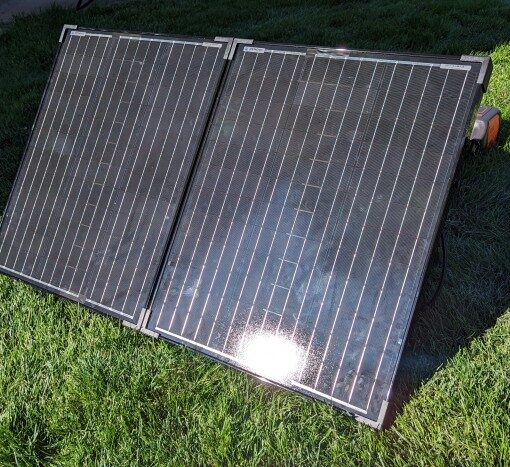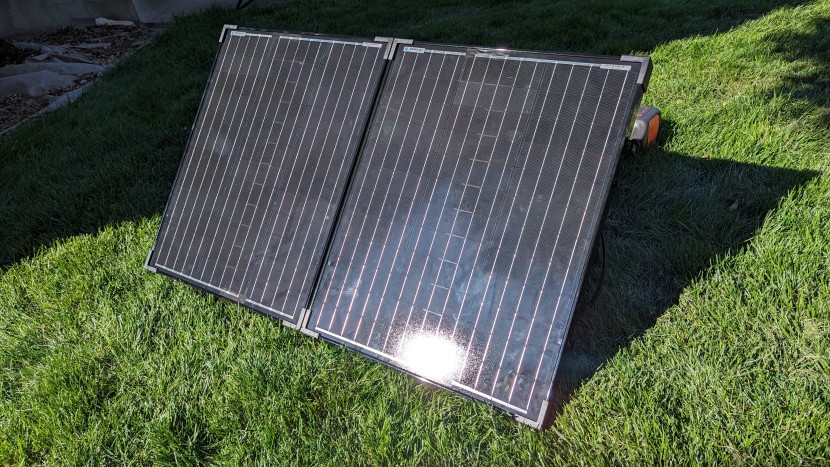
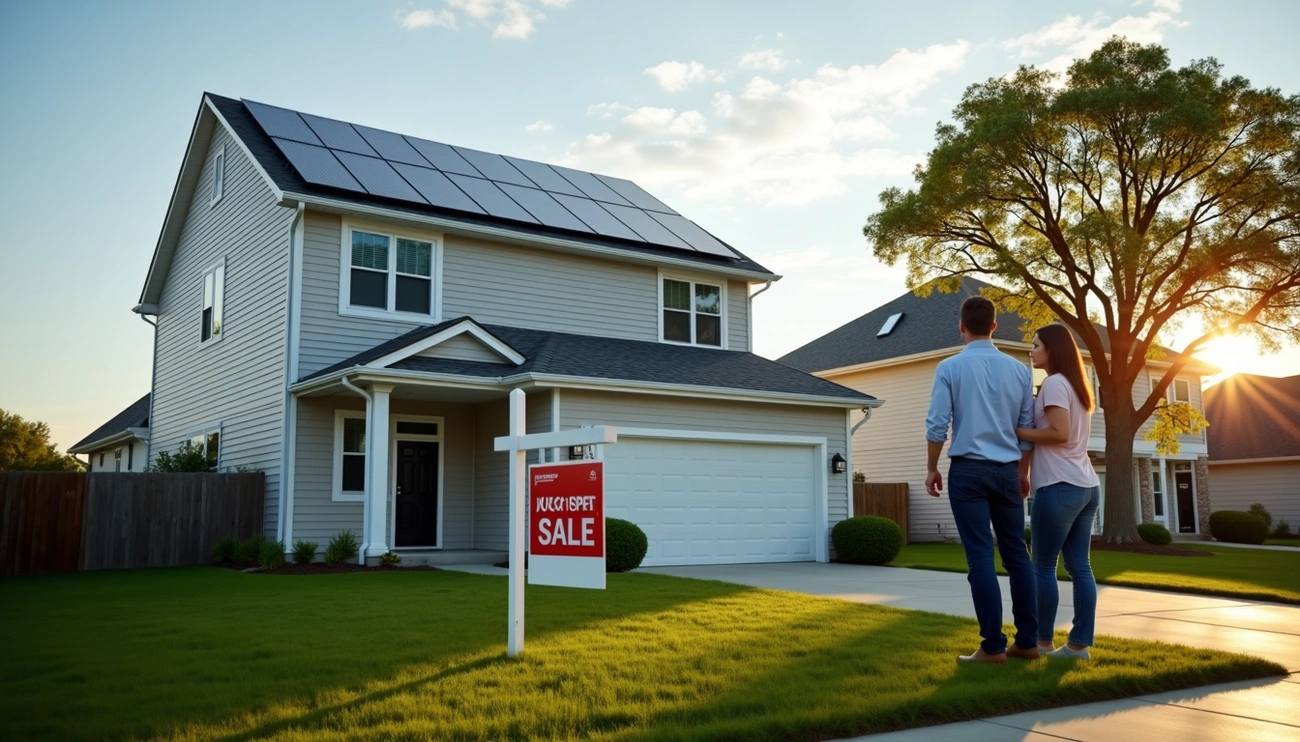
Solar panels can place a lien on your house when you finance them through a lease or loan. Lenders often file a UCC-1 financing statement that uses the solar equipment as collateral. This lien remains until the loan is paid in full and can delay home sales or refinancing if unresolved.
What is a Solar Lien and How Does It Work?
A solar lien is a legal claim that lenders use to secure their investment in solar equipment installed on your property. When you finance solar panels through a loan, the lender protects their interest by establishing this claim on the solar system itself, not on your house.
Understanding UCC-1 Filing for Solar Panels
When you authorize a solar loan, the lender files a UCC-1 financing statement with the Secretary of State and the county where your home is located. This filing serves as public notice that the lender has a security interest in your solar equipment, including panels, wiring, inverters, and battery systems if applicable.
The UCC-1 filing allows other creditors to see the lender’s legal rights to your solar assets should your payments lapse into default. Filing this statement is a standard practice in solar financing because solar panels represent a significant investment, and these filings secure the lender’s interest while enabling more property owners to adopt solar energy.
In most states, a UCC-1 lapses automatically after five years unless renewed. Solar panels are classified as fixtures under the Uniform Commercial Code, defined as goods that have become so related to particular real property that an interest in them arises under real property law.
The Difference Between a Lien on Your Home vs Your Solar Equipment
Here’s where confusion often arises. Mortgage lenders place liens on houses, auto lenders place liens on vehicles, and solar lenders file UCC-1 statements on solar projects but do not place liens on anything except the solar panels.
While technically not a lien on your home, the UCC-1 filing can impact various aspects of your property. The filing appears on your property title to give notice to anyone running a title search that the solar panels are on your property. As a result, a lien on solar panels may appear as attached to real estate, which can confuse buyers’ mortgage lenders unfamiliar with solar financing.
Do Solar Companies Put a Lien on Your House?
Solar companies do file liens, but only on the solar equipment. The lender has the legal right to repossess the system in case of defaulted payment to recoup their investment. If you fail to make payments to the loan company, they typically do not have legal recourse to take your home. However, the company that installed your panels may have legal grounds to file a mechanic’s lien on your home and seek foreclosure.
Different Solar Financing Options and Their Lien Implications
Your financing choice determines whether a UCC-1 filing appears on your property records. Each option carries different lien implications that affect your ownership rights and future property transactions.
Solar Loans and Liens
Financing through a loan allows you to own the system outright, enabling you to fully benefit from tax credits and rebates. Interest rates range from low single digits to mid-teens, depending on your credit score and loan terms, with secured loans typically offering lower rates than unsecured options. Loan terms typically span 10 to 25 years, allowing you to match monthly payments with your expected energy savings.
With a solar loan, a UCC-1 statement may or may not be filed depending on the financing institution. Not all lenders or banks will file a UCC-1. When filed, the statement gives lenders the right to repossess the solar equipment in case of default, but there is typically not a lien placed on the system with a loan. Once the panels are paid off, you can see an increase in your home value, with owned solar panels worth 4.1% more on average than homes without this clean energy system.
Solar Leases and PPAs
Leasing a solar system allows you to install it with little to no upfront investment. Solar leases and power purchase agreements are forms of third-party ownership, meaning you don’t own the solar panels on your roof. When signing a solar lease or PPA, a UCC-1 financing statement will be filed with the agreement and a lien will be placed against the panels.
In both cases, the system is owned by a third party while you receive the benefits of solar with little or no upfront costs. However, you won’t benefit from tax credits or increased property value, as the solar lender is entitled to all of the tax breaks and financial incentives available to one who owns solar panels.
Paying Cash for Solar Panels
If you purchase your solar panels outright, you do not need to concern yourself with the UCC-1 statement because you own the system. Cash payments for solar panel installations are less expensive in the long run as you avoid paying interest. You enjoy the effects of your energy savings and tax credits immediately after installation, and never have to redirect money towards loan repayment.
How Solar Liens Affect Selling or Refinancing Your Home
Selling or refinancing your home with financed solar panels requires specific steps that many homeowners don’t anticipate. The UCC-1 filing on your solar equipment can complicate these transactions, particularly since about 44% of solar installations are financed through solar-specific loans.
Selling a Home with a Solar Panel Lien on House
Solar loans typically don’t transfer automatically with the property. When you sell, the buyer’s lender and title company will discover the UCC-1 filing during their searches. Mortgage lenders unfamiliar with solar financing may assume the lien applies to the entire property and delay approval. If you’re selling with a solar lease or financed system, it may affect the buyer’s debt-to-income ratio, influencing loan approval or buying power.
What Happens During Refinancing
Refinancing with a UCC-1 filing requires additional coordination. Your lender may view the solar loan as a second mortgage, impacting your new mortgage terms. You’ll need to contact your solar lender to confirm the lien applies only to the equipment, not your residence. Some lenders can temporarily lift the filing to facilitate refinancing.
Paying Off the Solar Loan Before Sale
Paying off the balance at closing represents the most straightforward approach. The title company sends the payoff from your proceeds and releases the lien. Your solar panels likely increased your home’s sale price, making this option financially viable.
Transferring the Loan to the Buyer
Transfer requires approval from the loan provider and takes several weeks. The buyer must meet creditworthiness standards, and their lender must factor the solar payment into debt-to-income calculations.
Common Questions About Solar Companies and Property Liens
Homeowners frequently ask specific questions about how solar companies handle liens and what protections they have. Here’s what you need to know.
Does Sunrun Put a Lien on Your House?
No, Sunrun doesn’t put liens on the property, and this is stated in their contract. The only two possible notices on title from Sunrun are Notice of Independent Energy Producer Contract (NOIEPC) and UCC Filing. These filings are not liens or encumbrances and simply show that the solar equipment is maintained and repaired by Sunrun. Sunrun can terminate the UCC and NOIEPC at no cost, unlike other solar companies who charge fees.
Can a Solar Company Foreclose on Your Home?
A creditor with only a UCC filing tied to solar equipment usually cannot foreclose on the home because foreclosure typically requires a real-estate lien like a recorded deed of trust. A UCC filing more commonly supports repossession or removal of the solar equipment if payments stop.
How to Remove a UCC-1 Filing
Send a written request asking your lender to file a UCC-3 termination statement with your state’s Secretary of State. Most states require lenders to file within 20 days of your request.
What Happens If You Default on Solar Payments
The lender may report delinquency to credit bureaus, negatively affecting your credit score. The panels could be removed from your roof, and you’d still be on the hook for the outstanding debt with added fees and collection costs.
Conclusion
Solar companies file UCC-1 statements on your equipment, not your house. As a matter of fact, this distinction matters significantly when you’re financing, selling, or refinancing your home. Whether you choose a loan, lease, or cash purchase, you now understand how each option affects your property rights. Before signing any solar agreement, review the financing terms carefully and ask your provider to explain exactly what filings they’ll make. Your investment in solar energy shouldn’t create unnecessary complications for your property.