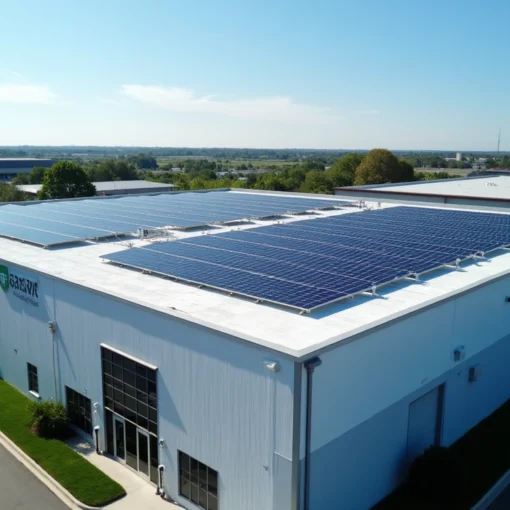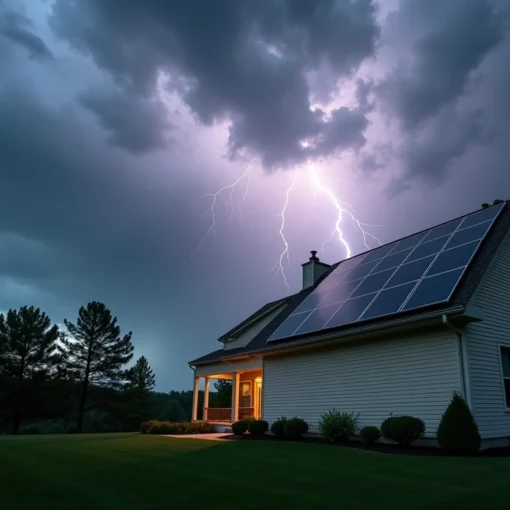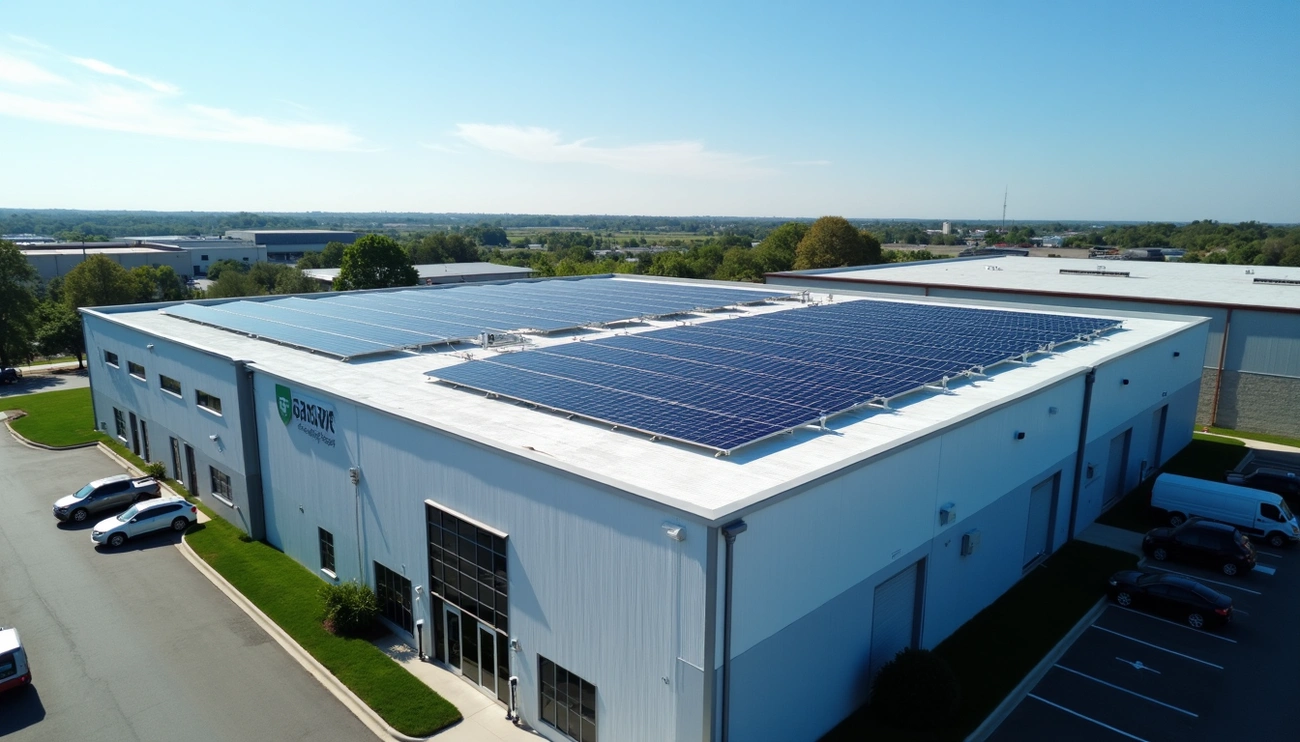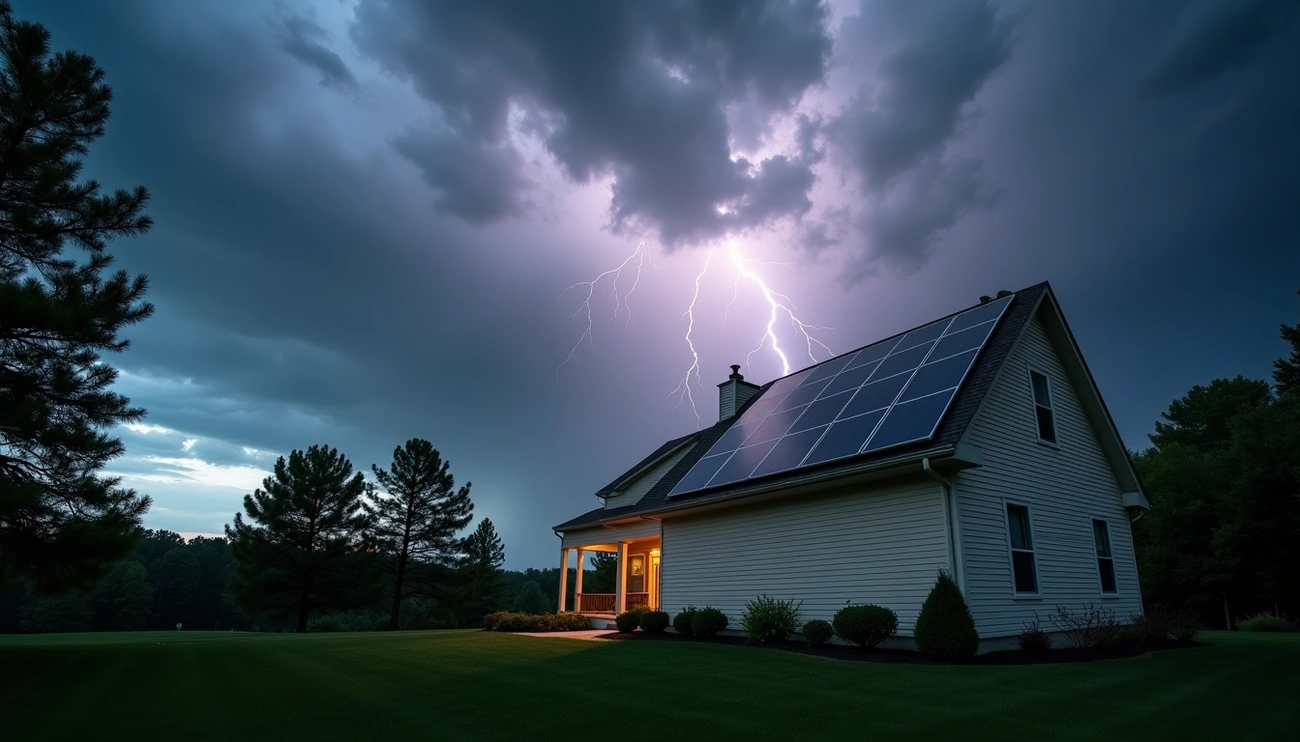
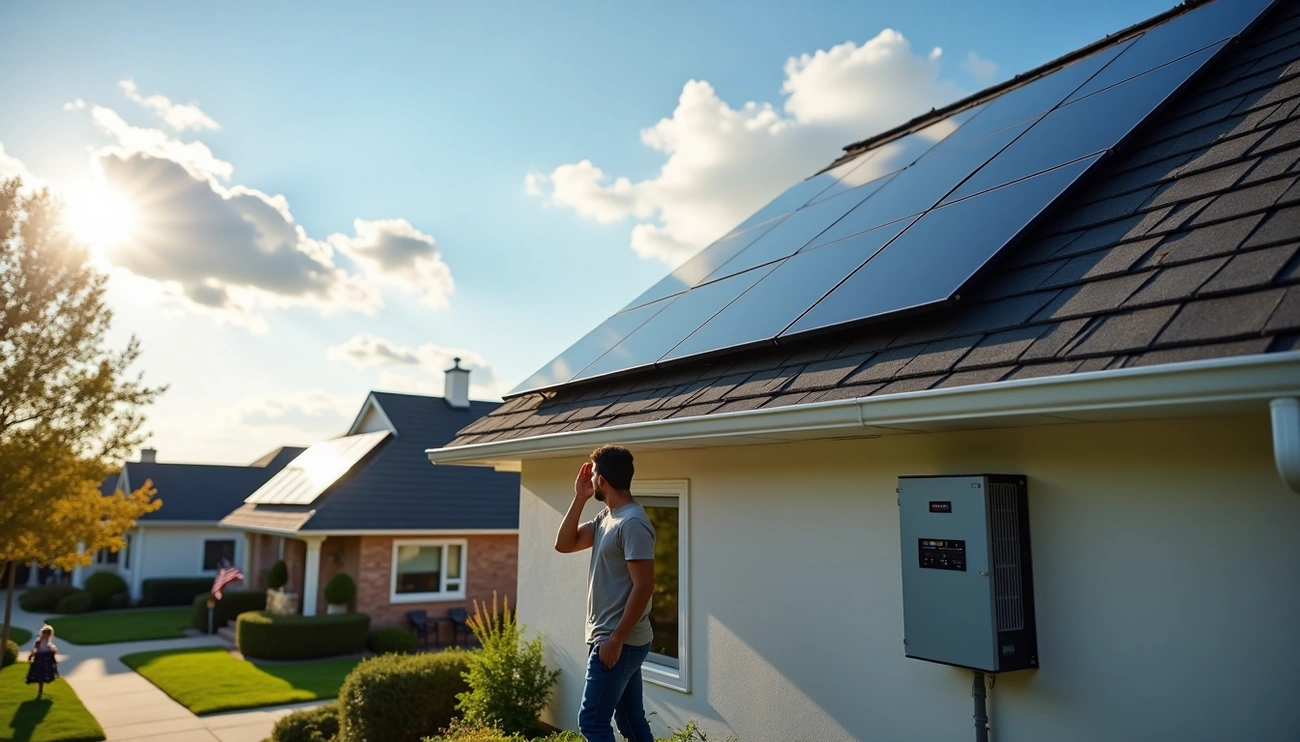
Solar panels do not make noise because they contain no moving parts. Photovoltaic panels generate electricity silently during daylight hours. Noise in a solar system usually comes from the inverter, which converts DC electricity to AC power and may produce a low hum of about 25–55 decibels, similar to a refrigerator.
Do Solar Panels Make Noise?
How Solar Panels Work Silently
Solar panels themselves are virtually silent. Unlike generators or wind turbines with rotating blades, photovoltaic panels sit stationary on your roof or ground mount, absorbing sunlight without any mechanical action. The panels contain no motors, fans, or moving components that could generate noise.
Once installed, solar panels simply remain in place throughout their operation. They require no vibration or rotation to function effectively, making them one of the quietest energy generation methods available. At night, without sunlight, the photovoltaic effect ceases and the panels stop producing electricity, becoming completely dormant. Since they are not generating power or performing any function during nighttime hours, they remain silent.
The Photovoltaic Process Explained
The silence of solar panels stems from how they generate electricity. When sunlight hits a solar panel, photovoltaic cells turn that light into direct current electricity. This conversion happens through the photovoltaic effect, a process that occurs at the atomic level within silicon cells.
Photons from sunlight strike the cells and knock electrons loose from their atomic bonds[21]. When photons are absorbed by the semiconductor material, they provide enough energy to dislodge electrons from the material’s atoms. These excited electrons begin to flow, creating an electrical current. The movement of electrons toward the front surface of the cell creates an imbalance of electrical charge, producing a voltage potential.
This entire operation is a solid-state process, meaning it involves no moving parts. There are no gears, motors, or fans within the panels themselves. The electrical conversion happens completely silently through quantum mechanics rather than mechanical means.
Why Panels Have No Moving Parts
Solar panels work on the principle of the photoelectric effect, where energetic photons knock electrons out of their orbits. In order to generate electricity, the process requires only these moving photons, not mechanical components.
Most other electrical generation methods create current by moving a magnetic field through an electrical coil. Wind turbines use wind to power movement, while power plants burn fuel to create motion. Solar energy stands apart because it converts light directly into electricity through semiconductor materials, predominantly silicon[22]. This fundamental design difference explains why solar panels behave less like an appliance and more like infrastructure.
Common Sources of Solar Panel Noise
While panels remain silent, other system components can generate noticeable sounds during operation.
Inverter Humming and Buzzing
The inverter represents the primary noise source in any solar installation. As it converts DC electricity into AC power, internal transformers create magnetic fields that expand and contract thousands of times per second. This phenomenon, called magnetostriction, produces a low-frequency hum. Most modern inverters emit sounds ranging between 25 to 45 decibels, comparable to a quiet library or soft whisper. String inverters typically produce 40-50 decibels since they process more power than microinverters. The humming becomes more pronounced during peak sunlight hours when the system actively converts large amounts of energy.
Mounting Hardware Rattling
Poorly installed mounting systems create various noise issues. Loose bolts, inadequate spacing, or improper attachment to roof structures result in rattling or creaking sounds. Metal expansion and contraction with temperature changes can also cause mounting-related noise. On windy nights, insufficiently secured panels vibrate against their frames or mounting rails.
Wind and Vibrational Effects
Air flowing over panel surfaces or through gaps creates whistling or whooshing sounds. Panels installed too close to roof surfaces amplify wind noise, as inadequate spacing prevents proper airflow and causes turbulence. The natural gap between the roof and panel base creates a tunneling effect that produces sound during strong gusts. Vibrations from wind transfer through mounting structures to the building itself, potentially amplifying sounds inside the home.
Cooling Fan Sounds
Inverters generate heat during operation and use internal fans for cooling. These fans activate to dissipate heat, producing a humming or whooshing sound. Fan speed increases with temperature or workload, resulting in louder operation on hot days or during peak production hours.
Normal vs Abnormal Operating Sounds
Normal sounds include quiet, consistent humming during daylight hours and occasional relay clicks at sunrise or sunset. Abnormal sounds warrant attention: loud buzzing indicating electrical stress, grinding or rattling from failing fans, or high-pitched whining from dried-out capacitors.
Solar Panel Noise Compared to Household Sounds
Understanding where solar panel noise falls on the decibel scale helps put any concerns into perspective.
Decibel Level Measurements
Decibels measure sound on a logarithmic scale, meaning 20 dB is 10 times louder than 10 dB, and 30 dB is 100 times louder than 10 dB. Most solar inverters operate between 25-55 dB, placing them well below levels that could cause hearing concerns. Prolonged exposure to sounds above 90 dB can result in hearing loss, while 125 dB becomes painful. Solar systems produce nowhere near these thresholds.
At 10 meters distance, multi-kilowatt inverters measure around 60 dB, roughly equivalent to a large air conditioner’s output. Residential inverters typically range from 25-45 dB, quieter than most household equipment. Independent acoustic studies measuring 50 homes over 30 days found that 95% of recorded solar array sounds fell below 35 dB during normal conditions.
Quieter Than Common Appliances
Solar inverters produce less noise than appliances you already own. Refrigerators hum at 40-50 dB, air conditioning units run at 50-60 dB, and dishwashers operate between 55-70 dB. String inverters under load with fans measure 45-60 dB, still quieter than normal conversation at 60 dB. During peak sunlight, an inverter sounds comparable to a quiet computer fan or electric toothbrush.
Urban vs Rural Environment Impact
Your environment significantly affects how you perceive solar system sounds. Urban traffic generates 60-70 dB, easily masking inverter operation. City residents often never notice their system among background noise from vehicles, neighbors, and HVAC systems.
Rural properties have lower ambient noise, typically 40-50 dB during daytime. A 40 dB inverter becomes more noticeable in quiet settings. However, most rural residents find the consistent hum less intrusive than farm equipment, generators, or well pumps. The sound integrates into the property’s normal profile within days.
How to Minimize or Prevent Solar Panel Noise
Several practical measures can address why your solar panels are making noise.
Professional Installation Techniques
Proper installation prevents most noise issues. Installers should decouple inverters from house walls using rubber buffers to block vibration transmission. Wall-mounted units benefit from anti-vibration mounts that absorb operational vibrations. These isolation techniques stop sound from traveling through building structures.
Regular Maintenance Checks
Clean filters and vents monthly to prevent dust buildup that forces fans to work harder. Check for loose screws or wires during inspections, as vibrations loosen fittings over time[221]. Monitoring fan operation identifies wear before noise escalates.
Strategic Equipment Placement
Install inverters away from bedrooms or living areas in well-ventilated spaces[221]. Cool locations reduce fan activation since inverters dissipate heat more efficiently. Adequate airflow prevents overheating without excessive cooling noise.
Choosing Quieter Inverter Models
Modern inverters incorporate improved transformers and efficient cooling systems that reduce operational sounds. Replacing worn fans with low-decibel models significantly decreases noise output.
Securing Mounting Hardware
Tighten all mounting brackets and screws regularly to eliminate rattling. Proper spacing between panels and roof surfaces prevents wind turbulence.
Landscaping for Sound Reduction
Evergreen trees with dense branching absorb sound waves through leaves, branches, and bark. Sound barriers using fiber-reinforced materials achieve noise reduction of 15-20 decibels.
Conclusion
Solar panels themselves operate in complete silence, as we’ve seen throughout this guide. The minimal sounds you might hear come from inverters and mounting hardware, measuring quieter than your refrigerator or dishwasher. Most homeowners never notice their solar system among everyday household noise. With proper installation and regular maintenance, you can ensure your solar panels remain virtually undetectable. Evidently, solar energy offers both environmental benefits and peaceful operation for your home.