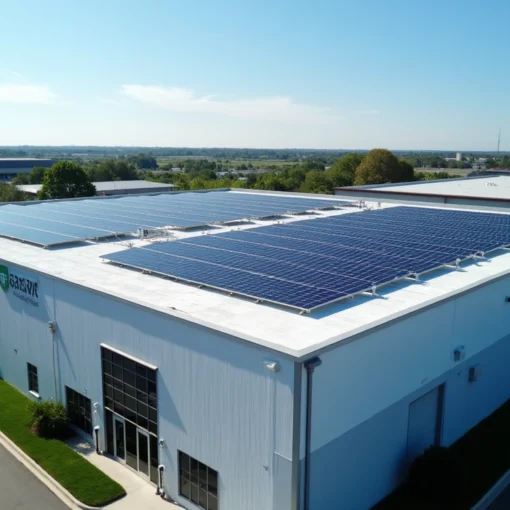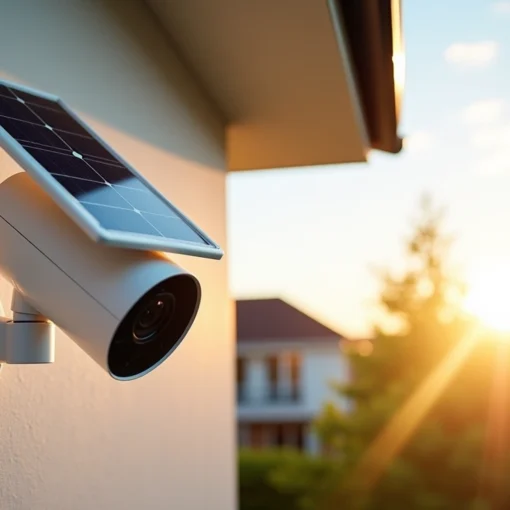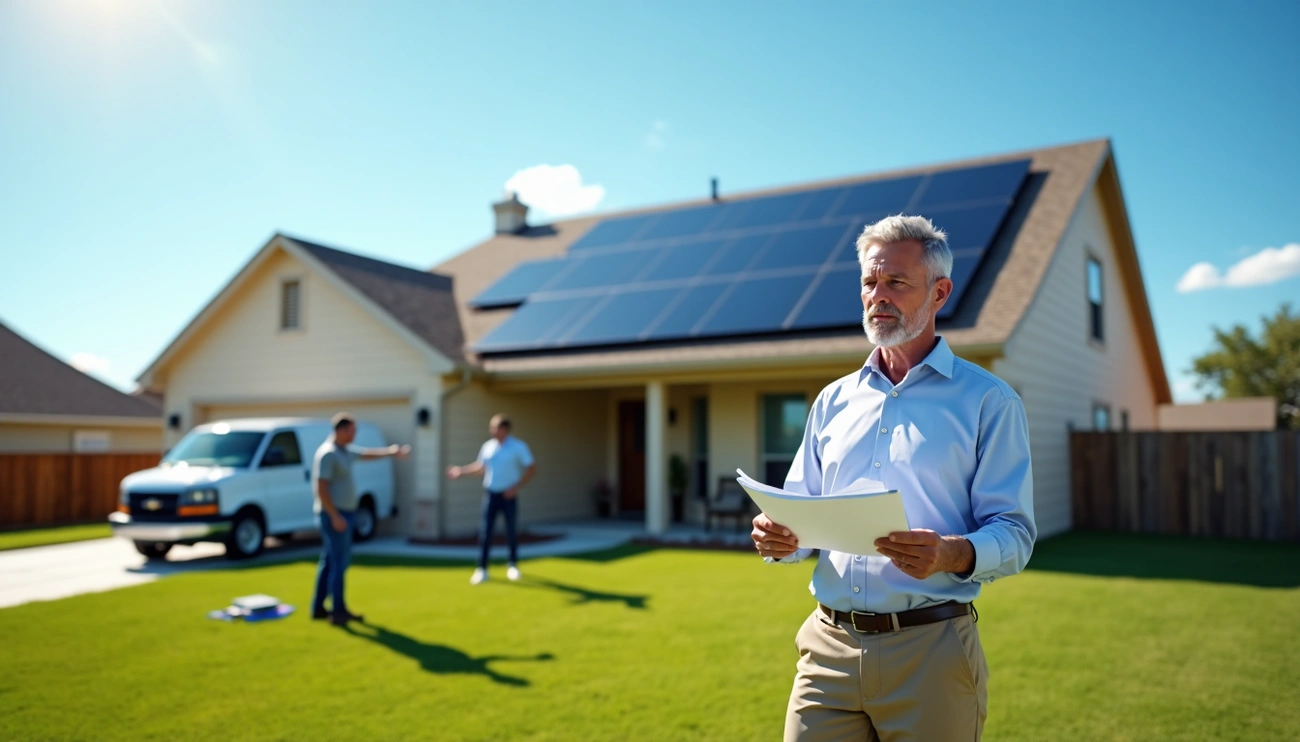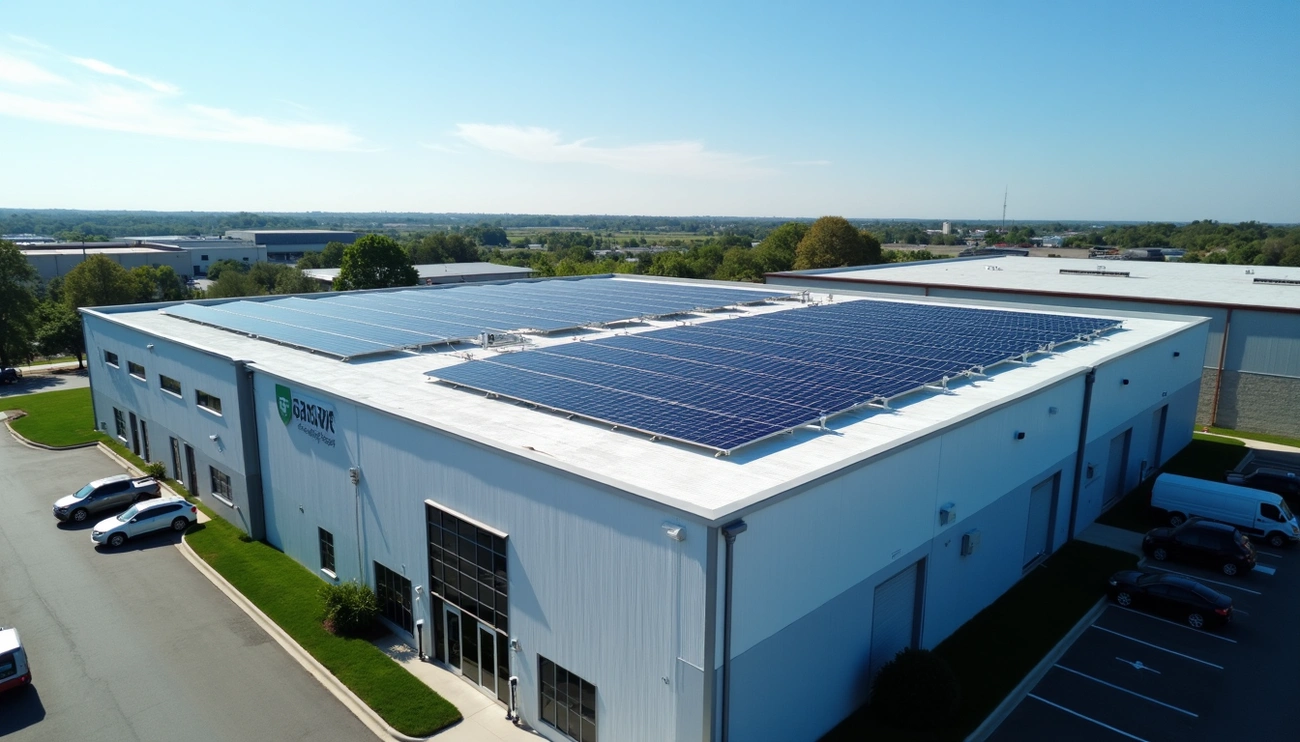
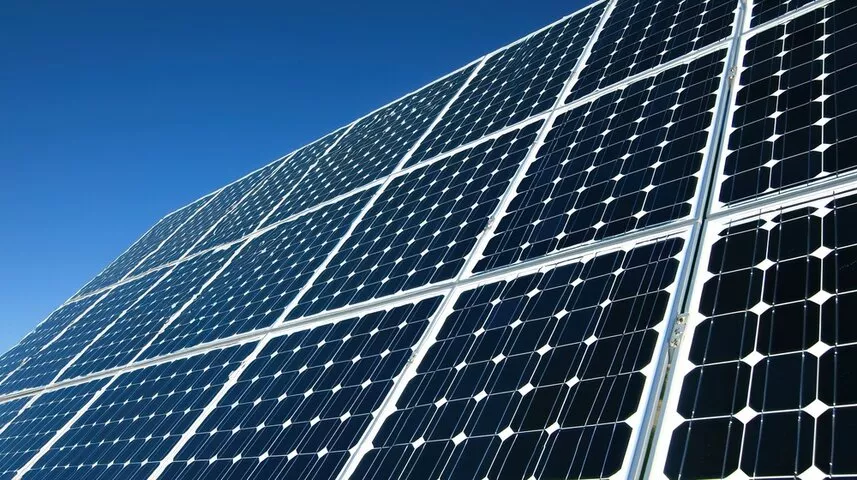
Solar panels do not emit harmful radiation. Solar panels generate electricity using photovoltaic cells and produce only very low-level, non-ionizing electromagnetic fields (EMF). These EMF levels are comparable to common household appliances such as televisions, refrigerators, and computers and meet international safety standards for human health.
Do Solar Panels Give Off Radiation?
What Type of Radiation Do Solar Panels Emit?
Solar panels themselves act as receivers rather than sources of radiation. They absorb electromagnetic energy from the sun, including visible light, infrared heat, and ultraviolet radiation, but this radiation originates from the sun, not from the panels. The panels convert this absorbed energy into electricity through the photovoltaic process.
When we talk about solar panel EMF, we’re referring to the electrical components of the system. The panels themselves emit very low levels of electromagnetic fields. The radiation produced falls into the non-ionizing category, which generates enough energy to move atoms in a molecule around but not enough energy to remove electrons from an atom or molecule or to damage DNA. This type of radiation contains less energy than other commonly encountered forms of non-ionizing radiation like radio waves, infrared radiation, and visible light.
Thermal Radiation vs. Electromagnetic Radiation
Solar panels emit two distinct types of radiation. First, they produce thermal radiation in the form of heat and reflected light, similar to any object exposed to the sun. This thermal emission poses no health risks. Research shows that solar panel bottom surface temperatures can exceed those of comparable materials by 10.73°C in summer and 9.55°C in winter.
Second, electromagnetic fields naturally occur as part of electricity in photovoltaic systems. These fields are primarily generated in the inverters and their wiring when direct current from the solar panels converts into alternating current. The electromagnetic fields from solar farms measure around 1,050 milligauss when standing directly beside the largest-scale equipment. At typical exposure distances of 9 feet from a residential inverter, field strength falls to 0.5 milligauss or less.
The Role of Photovoltaic Cells
Photovoltaic cells generate electricity through a process that does not involve harmful radiation. The cells convert sunlight through the photovoltaic effect, producing direct current electricity without creating significant electromagnetic radiation on their own. The small amount of EMF generated is comparable to household appliances like refrigerators and remains far below levels considered harmful by international safety standards.
Where Does EMF Radiation Come From in Solar Systems?
Most homeowners worry about solar panel radiation when they should focus on the system components handling power conversion. The panels themselves contribute minimal EMF compared to other parts of your solar installation.
Solar Inverters: The Primary EMF Source
Your inverter converts DC power from panels into usable AC power for your home. This conversion process creates the strongest electromagnetic fields in your entire solar system. Standing next to the largest inverter at a utility-scale solar farm exposes you to up to 1,050 milligauss. Research measuring 60-Hz magnetic fields found the highest readings adjacent to transformers and inverters, with radiofrequency fields from 5-100 kHz associated with inverters.
At typical distances, EMF exposure drops significantly. Standing nine feet from a residential inverter results in exposure of only 0.5 milligauss or less, which falls below background levels in many cases.
AC Wiring and Electrical Current
The AC wiring carrying electricity from your inverter to your electrical panel generates additional low-frequency EMF radiation. Higher current loads create stronger electromagnetic fields, which explains why proper wire sizing and installation matter for both safety and EMF minimization. The greater the current flowing through the wires, the more substantial the EMF emissions become.
Smart Meters and Wireless Monitoring
Modern solar installations frequently include wireless monitoring systems that communicate via radio frequency signals. These components add another layer of electromagnetic emissions, though typically at very low power levels. Smart meters use RF signals similar to WiFi and cell phones to transmit energy consumption data.
String Inverters vs. Microinverters
String inverters, typically mounted near your electrical panel, concentrate EMF generation in one location. These centralized inverters connect to multiple solar panels and tend to emit higher EMF levels than microinverters.
Microinverters present a different scenario. These small units attach directly to individual panels, converting DC to AC power at the source. Whereas string inverters concentrate emissions, microinverters spread EMF generation across your roof. This increases overall EMF coverage area but often reduces EMF intensity inside your living spaces due to distance and roof shielding.
Are Solar Panels Harmful to Your Health?
Proper installation of solar systems produces EMF levels between 0.5-2 milligauss at normal distances. These measurements fall well below the electromagnetic fields you encounter from everyday household items.
Comparing Solar Panel EMF to Household Appliances
Your hair dryer generates 60-20,000 milligauss. A microwave oven produces 100-500 milligauss. An electric blanket creates 15-100 milligauss. By comparison, standing nine feet from a residential solar inverter exposes you to 0.5 milligauss or less, which often measures below background levels of 0.2 milligauss.
Distance plays a significant role in EMF exposure. Electromagnetic field strength drops rapidly as you move away from the source. Standing three feet from a solar inverter reduces EMF exposure to levels comparable to natural background radiation. The average American experiences 1 milligauss of background EMF daily, reaching 6 milligauss when standing three feet from a refrigerator and 50 milligauss near a microwave.
Safety Standards and Regulatory Limits
The Federal Communications Commission and Environmental Protection Agency have established safety guidelines for EMF exposure. Solar installations consistently measure well below these thresholds, often by factors of 100 or more. You’d need to stand within 6 inches of a solar inverter for over 24 hours daily to approach minimum EMF exposure guidelines. Solar installations typically measure at less than 1% of established safety thresholds.
What Research Says About Solar Panel EMF
A detailed analysis from North Carolina State University concluded there is no conclusive and consistent evidence of negative health impacts from the EMF produced in solar farms. The World Health Organization reviewed thousands of studies on EMF exposure and health effects, finding no convincing evidence linking low-level EMF exposure to adverse health outcomes.
The National Cancer Institute states that non-ionizing EMF radiation lacks sufficient energy to damage DNA directly. Long-term studies tracking populations near power lines, which generate much stronger EMF fields than solar installations, haven’t demonstrated increased cancer rates or other health problems.
Non-Ionizing Radiation Explained
Non-ionizing radiation generates enough energy to move atoms in a molecule around but not enough energy to remove electrons from an atom or molecule or to damage DNA. Solar panels produce only non-ionizing, low-frequency EMF radiation. This type of radiation contains less energy than other commonly encountered forms of non-ionizing radiation like radio waves, infrared radiation, and visible light.
How to Reduce EMF Exposure from Solar Panels
Smart equipment choices and strategic installation minimize emf radiation from solar panels for homeowners seeking extra precautions.
Choosing Low-EMF Inverters
Not all inverters produce equal EMF levels. Manufacturers like SolarEdge and SMA offer models with reduced electromagnetic interference. Enphase produces inverters with enhanced EMF shielding and filtering. Ask your installer for electromagnetic compatibility data when selecting equipment. Microinverters spread emissions across your roof, which can reduce EMF exposure inside your home compared to centralized string inverters.
Proper Inverter Placement
Position string inverters at least 10 feet from bedrooms when possible. Garage walls opposite living spaces, basement utility areas, and exterior walls away from interior rooms provide optimal locations. Distance from frequently occupied areas like home offices and children’s play areas matters.
Using Shielded Wiring
Shielded cables carrying power from panels to inverters reduce EMF emissions. Metal conduit provides additional shielding when properly grounded to earth ground. Twisted wire pairs cancel noise at each twist, offering simple and effective EMF reduction.
Installing EMF Filters
Dirty electricity filters address high-frequency voltage transients on home wiring. Stetzerizer and Greenwave filters reduce these emissions. AC EMI/RFI filters can be installed on inverter output circuits.
Measuring Your EMF Levels
Obtain an EMF meter measuring both low-frequency and radio-frequency radiation, such as the TriField TF2. Take baseline readings before installation, then measure near the inverter, smart meter, and wiring pathways afterward.
Conclusion
Solar panels produce minimal electromagnetic radiation, significantly less than everyday household appliances. The inverters and wiring generate most EMF emissions, not the panels themselves. Scientific research consistently shows these levels fall well below safety thresholds established by regulatory agencies. If you’re still concerned, simple steps like proper inverter placement and shielded wiring can reduce exposure even further. Basically, solar panels present no credible health risks while delivering clean, renewable energy for your home.