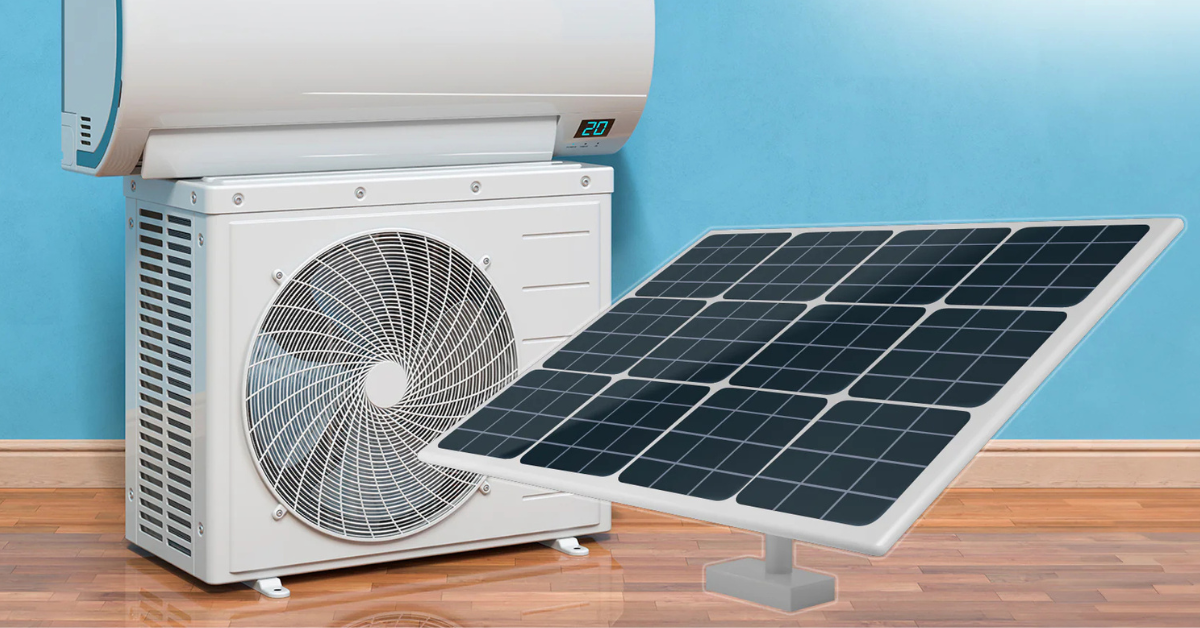
Yes, an AC can run on solar power by using a properly sized solar system. Solar-powered AC systems require sufficient solar panels, an inverter, and often battery storage to handle high power demand and startup surge. High-efficiency AC units and grid-tied or hybrid systems improve reliability.
Introduction
You ever get stuck in that hot, sticky summer trap where your AC is either on full blast or completely off because your electric bill looks like a phone number? It’s a common headache, especially with rising energy costs and the push for cleaner living. So, the big question: can your air conditioner run on solar power? Let’s chat about what works, what doesn’t, and how you can cool off without sweating over your wallet or the planet.
Why Consider Solar-Powered Air Conditioning?
AC units are energy hogs. According to the U.S. Energy Information Administration, air conditioning accounts for nearly 12% of home energy use nationwide. During those scorching months, your unit may run almost non-stop, pushing your electricity bill way up. Imagine if you could cut that down by using the sun’s energy instead of relying solely on the grid.
Solar power isn’t just for charging small gadgets or lighting your garden path anymore – it’s getting serious enough to handle big energy loads, including air conditioning. But it’s not as simple as slapping some solar panels on your roof and turning the dial to “cold.”
Success Stories: Solar AC in Action
Some homeowners and businesses have successfully integrated solar into their cooling systems. For example, a residential setup in Phoenix uses a 5kW solar panel array paired with a high-efficiency inverter and a 3-ton inverter-driven AC unit (like the Mitsubishi Electric MSZ-GL series). The system provides around 60-70% of their AC electricity needs during peak sun hours. That’s significant savings and less strain on the grid.
Here’s what makes a difference:
- Inverter AC Units: These adjust compressor speed according to cooling demand, making them more efficient and compatible with variable solar power output.
- Solar Storage Systems: Batteries store excess solar energy during the day to power the AC at night.
- Smart Controllers: Devices that optimize when and how your AC runs based on solar availability and house temperature.
One homeowner, Lisa from Austin, shared, “Since switching to a solar-powered inverter AC setup, my bills dropped by half in summer. Plus, it feels great knowing my cooling doesn’t come from burning fossil fuels.”
The Challenges: What Can Trip You Up?
Running an AC unit on solar isn’t without hurdles:
- High Initial Costs: Setting up a solar system big enough for an AC involves significant upfront investment—solar panels, inverters, batteries, and installation can run from $10,000 to $30,000 or more.
- Energy Demand Peaks vs. Solar Production: AC usage peaks often occur in late afternoons or evenings when solar generation might dip.
- Battery Limitations: Current battery technology limits how long you can store power for nighttime or cloudy days.
- System Sizing Complexity: Calculating the right size of solar array and battery backup requires professional assessment.
What Kind of Solar Setup Do You Need?
Solar Panels
A typical residential solar panel measures about 65 inches by 39 inches and weighs around 40 pounds. Most panels are framed in black or silver aluminum with a sleek dark blue or black photovoltaic surface. The texture is smooth but with a subtle grid pattern of cells visible under glass.
For running an AC unit, you’ll likely need between 4kW to 7kW of solar panels depending on your unit size and local sun hours.
Inverters
Inverters convert DC power from solar panels into AC power your home uses. Look for:
- Pure sine wave output for compatibility with sensitive electronics like inverter AC units.
- Efficiency ratings above 95%.
Brands like SolarEdge and Enphase offer compact, durable inverters with sleek digital displays showing real-time performance.
Batteries
Lithium-ion batteries (like Tesla Powerwall or LG Chem) are popular for home storage. They come in compact rectangular boxes (about 45” x 29” x 6”) with matte finishes—usually white or black—that blend well into home utility areas.
Batteries allow you to use stored solar power after sunset when the AC might still be needed.
How to Choose Your Solar-Ready AC Unit?
Not all air conditioners play well with solar setups. Here’s what I recommend looking for:
- Inverter Technology: Unlike traditional ACs that turn on/off abruptly, inverter models adjust compressor speed smoothly, matching energy supply.
- Energy Efficiency Rating (EER or SEER): Aim for units with SEER ratings above 16 for better performance.
- Variable Speed Compressors: These help balance cooling needs with available power.
- Smart Controls: WiFi-enabled models allow you to schedule or remotely manage cooling based on solar energy availability.
A good example is the Mitsubishi Electric MSZ-GL Series — available in white or silver finishes, compact indoor units measuring around 31” x 11” x 8”, known for quiet operation and precise temperature control.
How Solar-Powered AC Fits Into Your Lifestyle
Imagine this: You’ve just returned home from work on a blazing summer day. Thanks to your solar-powered inverter AC system, the house is already cool without a spike in your electric bill. The sleek indoor unit blends into your modern living room aesthetic with its matte white finish and minimalist design.
Plus, since your system uses battery backup, the cool air keeps flowing even after sunset when the sun has clocked out. It’s not just about comfort; it’s about living smarter and greener.
My Test Drive With Solar AC
I installed a 6kW solar system paired with a 2.5-ton inverter split AC in my suburban home last summer. Here’s what stood out:
- On sunny days, the AC ran mostly off solar during peak hours.
- Cloudy afternoons meant slight grid use, but overall energy bills dropped by around 45%.
- The inverter AC’s quiet hum was a noticeable upgrade from my old noisy window unit.
- Battery backup covered evening cooling for about 3 hours before needing grid support.
While setup took time and planning, the peace of mind—and cooler summer nights—made it worth every penny.
Pricing Breakdown and Value
Here’s a rough idea of costs:
| Component | Estimated Price Range |
|---|---|
| Solar Panels (5kW) | $7,000 – $10,000 |
| Inverter | $1,000 – $2,500 |
| Battery Storage | $5,000 – $8,000 |
| Inverter AC Unit | $1,200 – $3,000 |
| Installation | $2,000 – $5,000 |
A full setup can range from $15,000 to $28,000 depending on system size and location incentives like tax credits.
The savings come over time through lower utility bills and potential incentives like federal tax credits (up to 30% of installation costs). Plus, there’s added home value and environmental benefits.
What to Look For Before Buying
- Local Sunlight Availability: Use tools like PVWatts Calculator to estimate your solar production.
- AC Unit Compatibility: Match inverter-ready AC units with your system.
- Installer Experience: Choose certified installers familiar with solar-plus-AC setups.
- Warranty & Support: Panels typically have 25-year warranties; check inverter and battery coverage.
- Energy Storage Needs: Decide if you want battery backup or just grid-tied solar.
FAQ’s
Q: Can any AC unit run on solar?
A: Technically yes, but inverter AC units work best because they match energy supply more efficiently.
Q: What happens when there’s no sun?
A: Either use stored battery power or switch back to grid electricity.
Q: How much can I save?
A: Savings vary but expect 30%-70% off cooling energy costs depending on system size and sun exposure.
Q: Are solar panels noisy?
A: No, panels are silent; only noise comes from the AC unit itself.
Final Thoughts
If you’re tired of sky-high summer bills and want to cool your home sustainably, running an AC on solar power is doable but needs careful planning. The upfront cost is noticeable but balanced by long-term savings and environmental perks.
Think of it as investing in comfort that pays you back—and keeps your home pleasantly cool while letting the sun do most of the work.
If you want to explore further or customize a plan for your home, I’m happy to help break down options based on your location and lifestyle. Just ask!