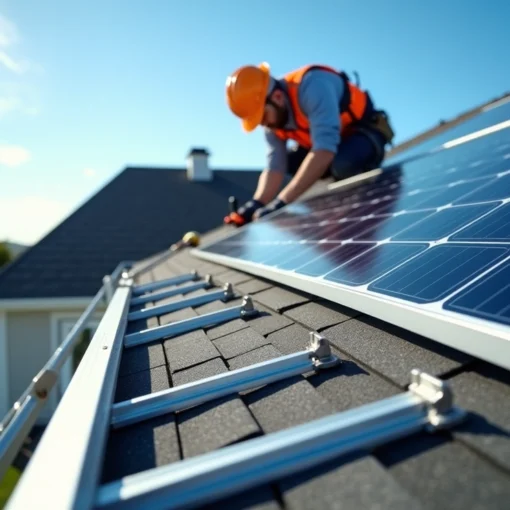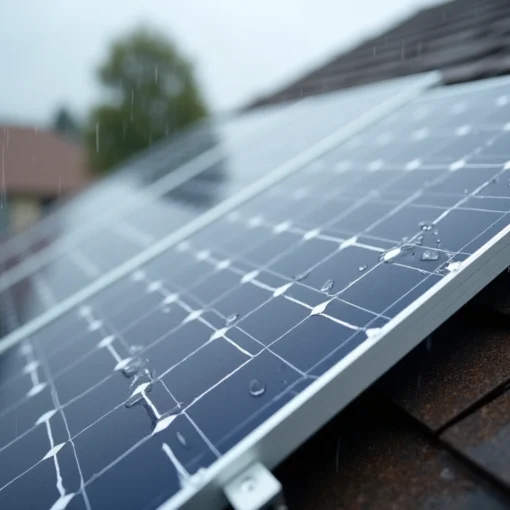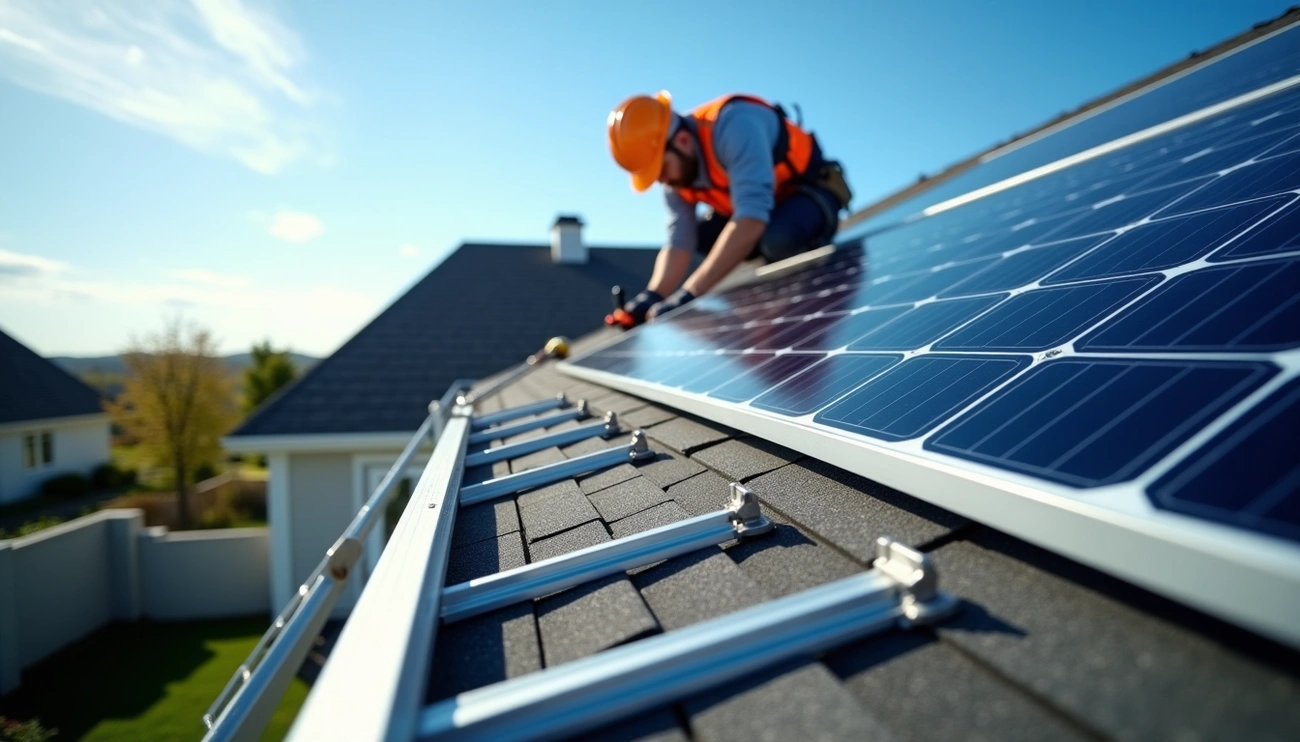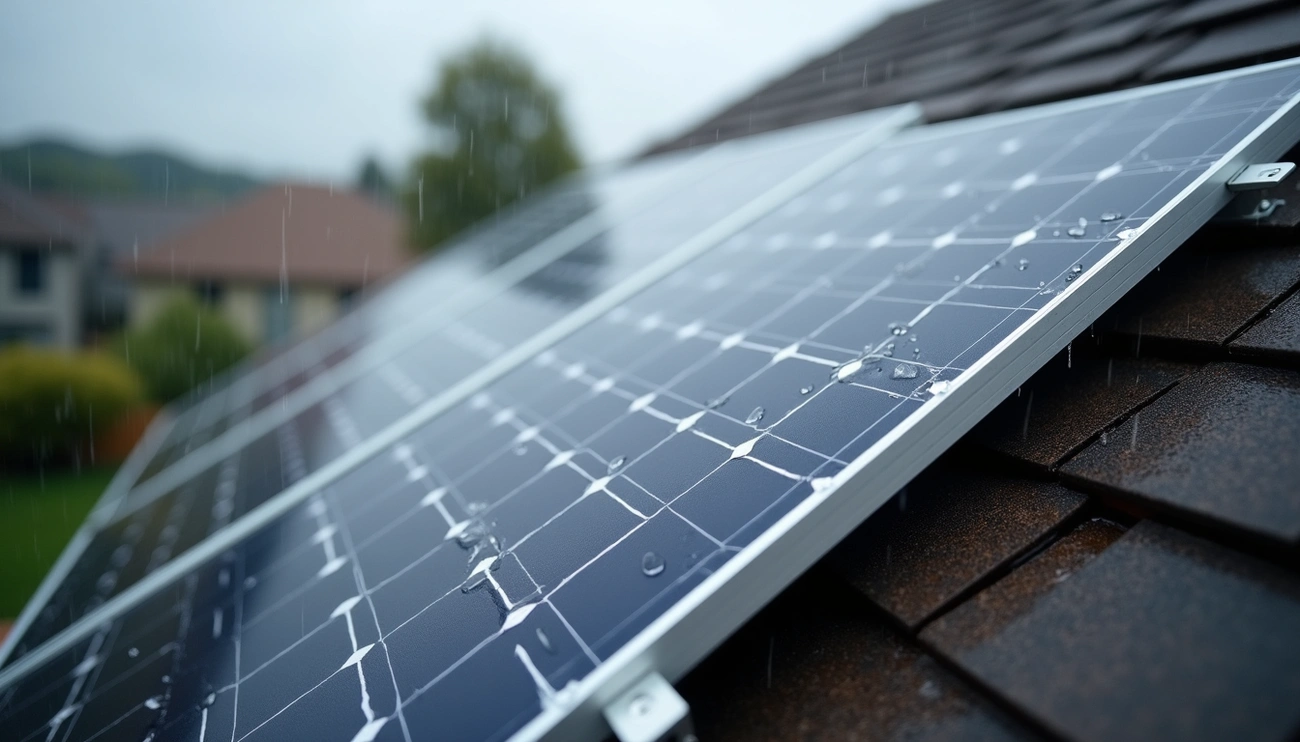
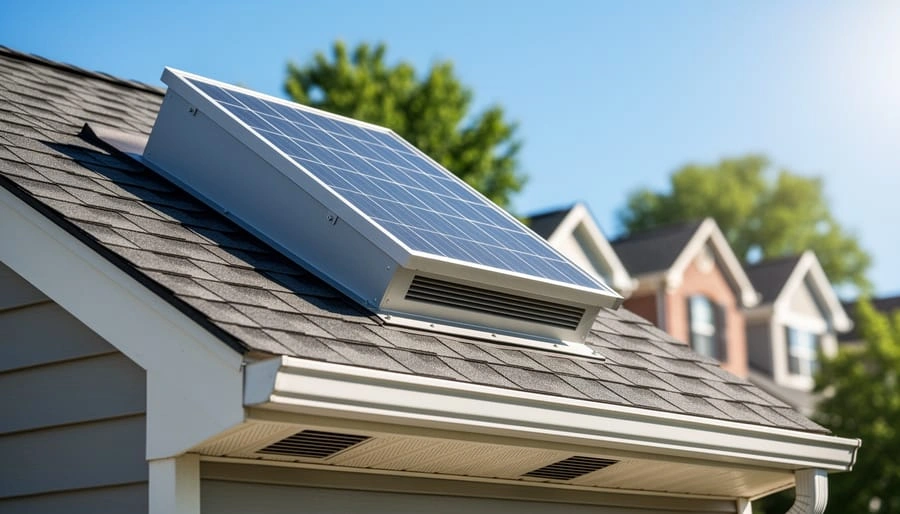
Solar attic fans are worth it because solar attic fans reduce attic temperatures by 5–10°F or more, lower HVAC system strain, and prevent moisture buildup. Solar attic fans operate using free solar energy and require no electrical wiring. Some solar attic fans also qualify for federal tax credits, which improves long-term cost savings.
How Solar Attic Fans Work
The Basic Operating Principle
Solar attic fans operate through a straightforward mechanism. When sunlight hits the solar panel mounted on the fan, it generates electricity that powers a motor inside the housing. This motor spins the fan blades, creating an exhaust system that pulls hot, stagnant air out of your attic space. As the fan expels heated air through roof or gable vents, it simultaneously draws cooler outside air in through soffit vents at the attic’s base. This continuous air exchange regulates attic temperature without any connection to your home’s electrical system.
Solar Panel and Power Generation
The solar panel serves as the power source for the entire operation. Residential models typically feature panels ranging from 10 watts to 36 watts, with some high-performance units equipped with 33-watt panels. The panel converts photovoltaic energy from sunlight into electrical current that flows directly to the motor. Stronger sunlight produces more power, which means the fan runs faster during peak afternoon heat when your attic needs ventilation most. Some systems include ClimaSense technology that ensures ventilation continues for 4 hours after sunset, providing extended cooling into the evening. Adjustable panels can be tilted toward optimal sun angles, particularly useful for roofs with less-than-ideal orientation.
Air Circulation Process
The ventilation cycle begins when the motor activates and fan blades start rotating. Hot air, which naturally rises and accumulates near the attic ceiling, gets pushed outward through existing vents. This creates negative pressure inside the attic, drawing fresh air inward through intake vents. The continuous exchange prevents heat buildup and moisture accumulation. Homeowners report attic temperature drops of 20-30 degrees after installation. Many models incorporate thermal switches that activate the fan only when attic temperatures reach specific thresholds, adding automatic control during cooler weather.
Difference Between Solar and Electric Attic Fans
Electric attic fans require hardwiring into your home’s electrical system and pull power from the grid, adding to monthly utility bills. Solar powered attic fans eliminate these costs entirely because the sun provides free energy. Electric models typically move higher CFM (cubic feet per minute) and run regardless of weather conditions, including nighttime operation. However, they lack the cost advantage and use traditional motors with brushes that wear out over time. Solar fans utilize brushless or inductive motors that handle extended operating periods without degradation and run quietly. Installation differs significantly: solar models need no electrical work, while electric fans require professional wiring.
Solar Attic Fan Benefits
Lower Energy Bills
Solar powered attic fans deliver measurable cost reductions. A Florida Solar Energy Center study found homeowners saved approximately 460 kwh over summer months, translating to $83 in annual savings at standard electricity rates. Ontario Energy Board research showed these fans save nearly 200 kwh yearly during peak demand periods alone. Since sunlight powers the fans, they operate without adding electricity costs while reducing overall household consumption.
Reduced Cooling Costs
Research consistently shows that lowering attic temperatures reduces cooling loads by 10% to 30%. Attic fans keep temperatures closer to outdoor levels, which means air conditioners cycle less frequently and operate more efficiently. Homes with proper attic ventilation typically see 10-15% reductions in cooling costs. During peak summer months when energy prices spike, these savings become particularly significant.
Extended Roof Lifespan
Prolonged exposure to extreme heat accelerates aging of roof shingles, insulation, and structural materials. Solar attic fans regulate temperatures, protecting roofing systems from premature deterioration. This protection reduces the need for early repairs or replacements, contributing to overall home durability and value.
Moisture and Mold Prevention
Year-round ventilation prevents moisture accumulation that leads to mold growth, wood rot, and insulation damage. During winter, proper airflow prevents ice dams by venting warm indoor air that would otherwise melt roof snow and cause costly water damage. Maintaining dry attic conditions protects both structural integrity and indoor air quality.
Environmental Impact
Solar attic fans produce zero emissions and require no fossil fuels or grid power. By reducing air conditioning demand, they lower carbon footprints and decrease strain on local power grids. The renewable energy source aligns with sustainability goals while delivering practical benefits.
Improved Home Comfort
Reduced attic heat creates more consistent indoor temperatures throughout living spaces. Homeowners notice fewer hot spots, especially in upper-level rooms. Lower attic temperatures prevent heat from radiating into bedrooms and hallways, improving sleep quality and overall comfort during summer heat.
Attic Fan Pros and Cons
Advantages of Solar Powered Attic Fans
Solar attic fans operate with whisper-quiet performance, making them suitable for homes where noise matters. Unlike electric models that can produce noticeable humming sounds, solar units run silently throughout the day. Installation proves simpler and less intrusive than full ventilation systems, requiring less time and avoiding complex ductwork. Most systems need no electrical wiring, which eliminates the expense and complexity of connecting to your home’s power supply. Maintenance requirements remain minimal once installed, with occasional solar panel cleaning being the primary concern.
Disadvantages and Limitations
The higher upfront investment represents the most significant drawback. Solar attic fans cost between $300 and $1,000 for the unit alone, compared to $100 to $450 for electric models. Performance depends entirely on sunlight availability, making these fans less effective during nighttime hours or on cloudy days. Electric powered attic fans deliver more powerful airflow because they draw consistent grid power. Most homes require two solar attic fans to achieve adequate air movement and maximize utility savings. Roof penetration during installation creates potential leak points, and despite proper sealing, water intrusion remains a possibility over time.
Upfront Cost Considerations
Total installation expenses typically range from $500 to $1,500. The fan unit accounts for 45-55% of total costs, with current residential-grade models priced between $300 and $900. Professional installation adds $150 to $250 for standard roofs, though prices increase for pitched or complex installations. Auxiliary materials including flashing kits, weatherproof sealant, wire harnesses, and building permits add $50 to $500 to project costs. Equally important, homeowners in areas with limited sunshine should carefully evaluate whether solar attic fans align with local climate conditions before committing to this investment.
Cost Analysis and Return on Investment
Initial Installation Expenses
Total costs for solar attic fan installation range from $575 to $1,400. The fan unit represents 45-55% of expenses, with residential models priced between $300 and $900. Professional installation adds $200 to $480 depending on roof complexity. Besides the fan itself, auxiliary materials including flashing kits, sealant, and permits contribute $50 to $500. A standard 2,200 square foot home installation averages $600 to $1,400.
Annual Energy Savings
Homeowners save $50 to $300 annually on cooling costs. Studies show solar attic fans reduce air conditioning usage by 6%, saving approximately 460 kWh per summer. In hot climates like Arizona, Texas, or Florida, monthly savings reach $75 during peak cooling months. Annual savings of $300 prove common in these regions[161].
Payback Period
Most installations achieve payback within 2 to 4 years[153][161]. A $600 investment with $300 annual savings breaks even in 2 years[161]. Hot climate installations pay back faster, often within 12 to 24 months. After payback, savings continue for the fan’s 15-20 year lifespan[161].
Federal Tax Credits and Incentives
The Residential Clean Energy Credit provides 30% back on installation costs through December 31, 2025. A $600 installation qualifies for a $180 credit, reducing effective cost to $420[161]. State and local programs offer additional rebates, with some municipalities providing $75 to $100 incentives.
Conclusion
Solar attic fans offer genuine value for homeowners, particularly those in hot climates. With payback periods of 2 to 4 years and annual savings reaching $300, these devices deliver measurable returns. Factor in federal tax credits, extended roof lifespan, and environmental benefits, and the investment becomes even more compelling. Before purchasing, evaluate your local climate, roof orientation, and cooling costs. If you live in a sunny region with high energy bills, solar attic fans are definitely worth the investment.