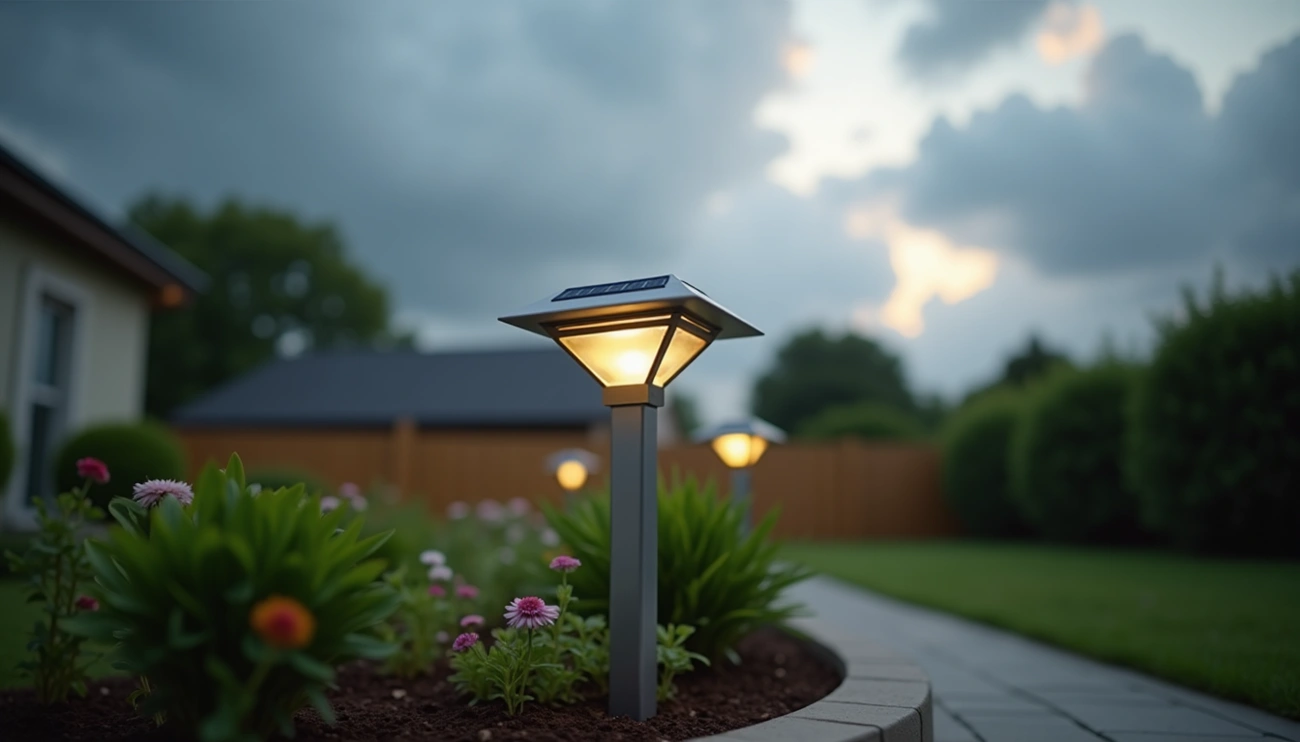
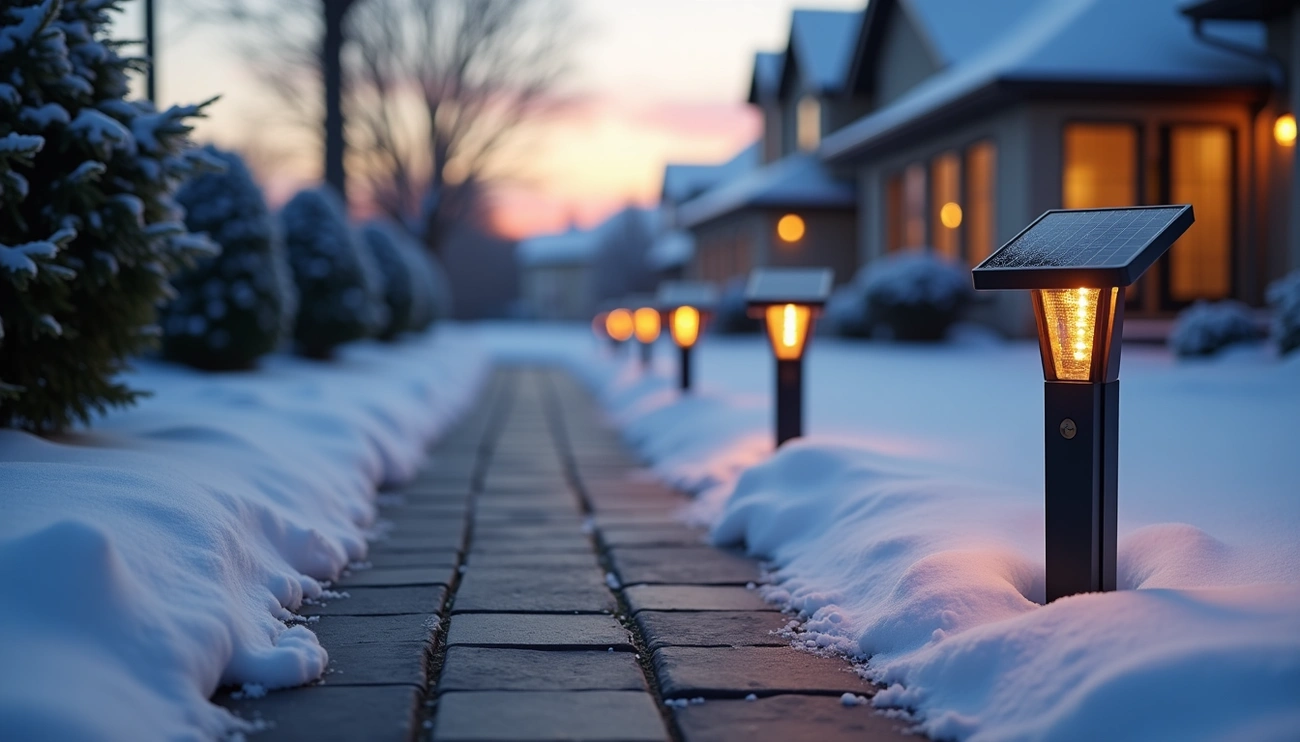
Solar powered lights work in winter, but performance decreases due to shorter daylight hours and lower sun angles. Solar panels still charge batteries in cold or snowy conditions. Reduced sunlight often causes lower brightness and shorter nighttime operation compared to summer months.
Do Solar Powered Lights Work in Winter?
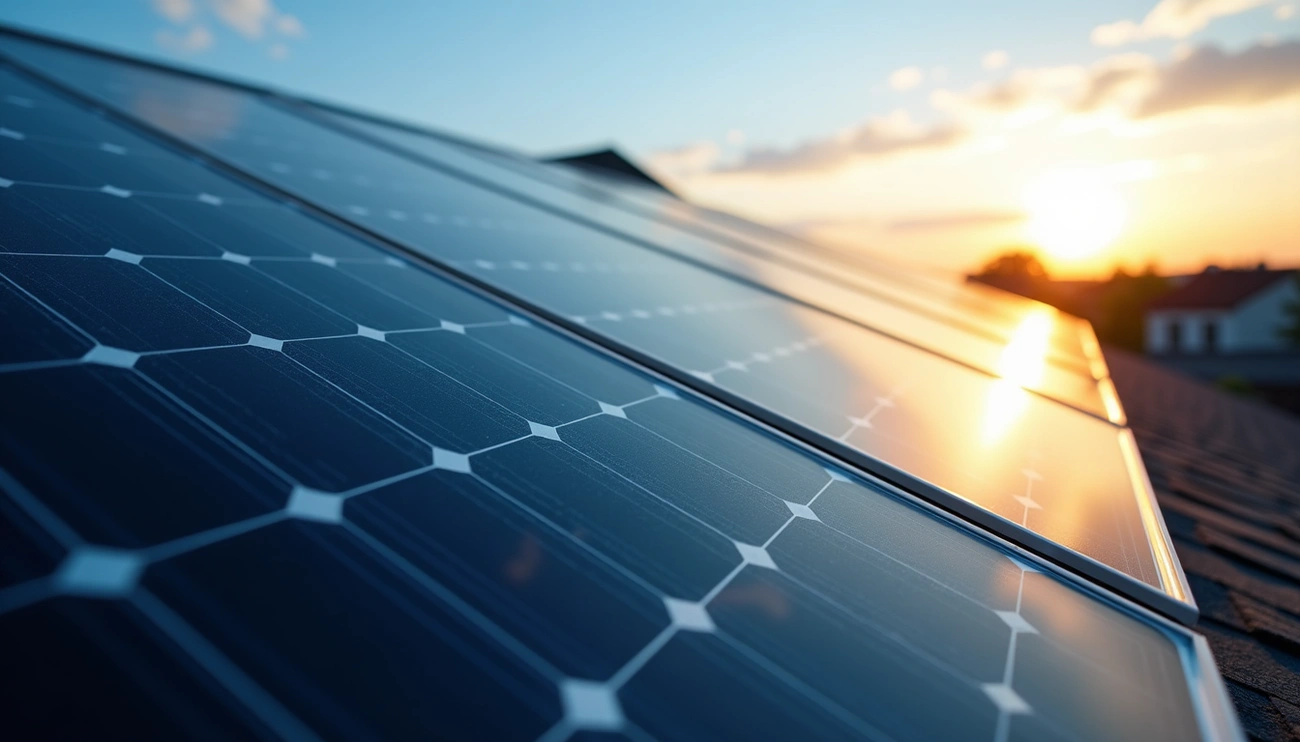
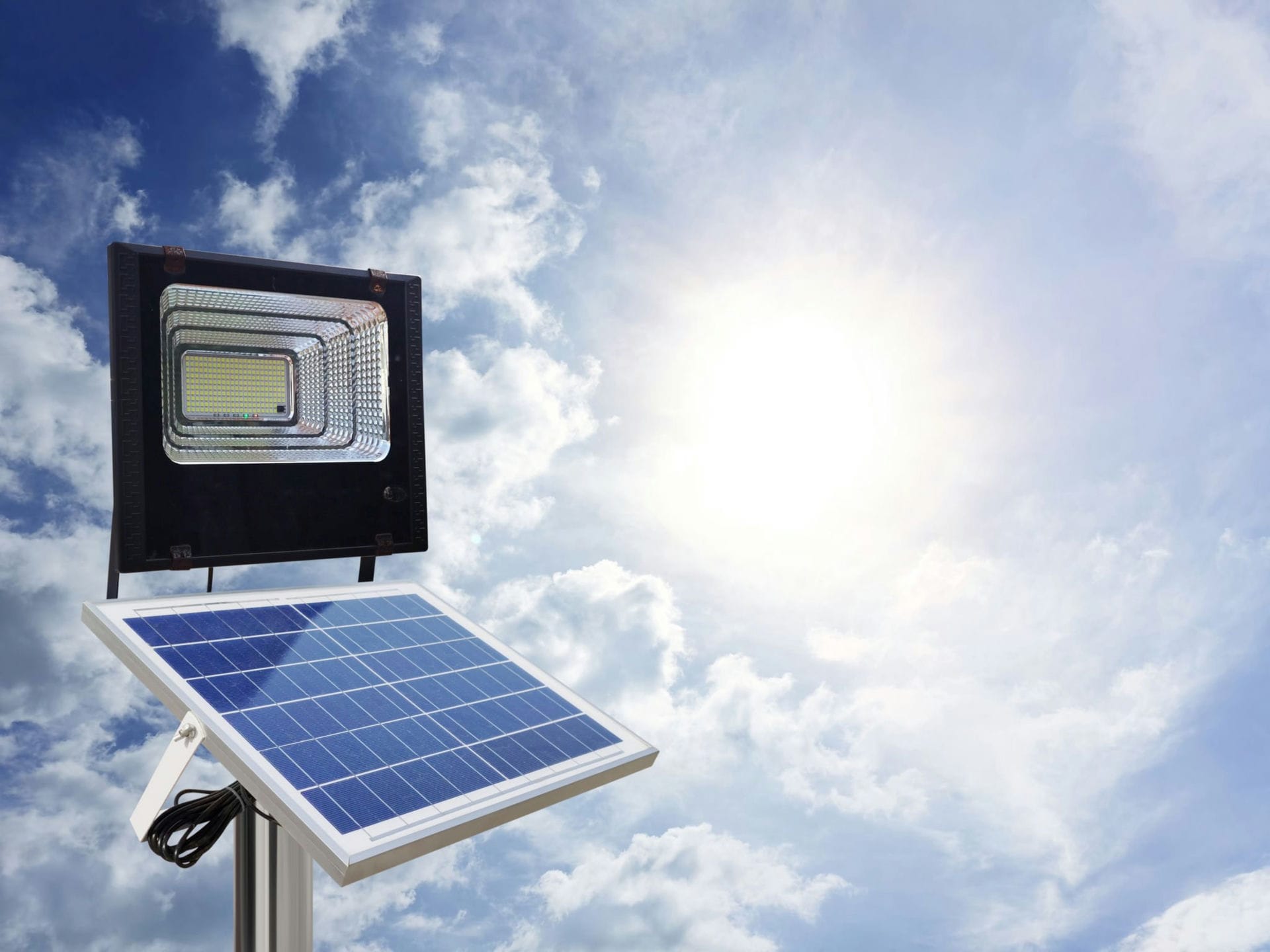
Solar panels work through a straightforward process that doesn’t depend on warmth. When sunlight hits the photovoltaic cells within your solar panel, it sets electrons in motion, creating an electrical current. This current flows to a rechargeable battery, where energy gets stored for nighttime use. A charge controller sits between the panel and battery, preventing overcharge during sunny periods and over-discharge during use.
How Solar Lights Generate Power
The photovoltaic effect happens when light particles strike silicon cells in your solar panel. These cells convert both direct and indirect sunlight into electricity, which then travels to the battery storage system. Most outdoor solar lights include a light sensor that automatically switches the LED on when darkness falls, drawing from the stored energy.
What Happens to Solar Panels in Cold Weather
Cold temperatures actually boost solar panel performance. Panels are rated under Standard Test Conditions at 77°F (25°C), and their efficiency typically drops as temperatures rise above this benchmark. Consequently, winter’s chill means your panels operate more efficiently per photon of captured light. The photovoltaic cells function better when they’re not overheating, which is why you may extract more watts per sunbeam at 30°F compared to 90°F.
Snow can even help. The albedo effect occurs when white snow on the ground reflects additional sunlight onto your panels, potentially increasing electricity production on cold, clear days. Most panels are tilted at 30 to 45 degrees during installation, allowing snow to slide off naturally.
Will Solar Lights Charge on a Cloudy Day
Solar panels capture diffused sunlight on overcast days, though at reduced efficiency. On cloudy days, solar lights charge at about 10-25% of their usual efficiency, depending on panel type and cloud density. Monocrystalline panels perform better under cloudy conditions than polycrystalline counterparts. Rain actually benefits your system by washing away dust and particles, maintaining optimal panel efficiency.
Battery Performance in Winter Conditions
Cold weather significantly impacts battery function. Most standard lithium batteries lose 20-30% of their capacity in freezing temperatures. This capacity reduction happens because:
- Chemical reactions within batteries slow down at lower temperatures
- Internal resistance increases, reducing charge retention
- Batteries take longer to build up even this diminished charge
- Discharge rates accelerate in cold conditions
These factors combine to create shorter runtime at night, even when panels charged properly during daylight hours.
Common Winter Problems and Why They Happen
Winter presents four distinct challenges that can disrupt your solar lighting system’s performance. Understanding these obstacles helps you address them before they become critical failures.
Snow and Ice Blocking Solar Panels
Heavy snow accumulation creates the most immediate threat to solar panel function. When panels sit under snow cover, charging stops completely, which can halt nighttime illumination. The problem extends beyond simple blockage. As snow melts, water can seep into gaps around panel frames, damaging batteries or corroding internal wiring. In fact, many damaged controllers need replacement because of moisture intrusion during winter months. Panels mounted at steeper angles allow snow to slide off naturally, restoring charging capability faster.
Water droplets on panels also reduce efficiency. Despite being transparent, water refracts light before it reaches the photovoltaic cells. Snow compounds this issue by reflecting sunlight away from the panel surface rather than allowing absorption.
Shorter Daylight Hours Reducing Charge Time
Winter drastically cuts your charging window. At 45°N latitude (Montreal), December delivers approximately 8.5 hours of usable daylight compared to 15.5 hours in June, representing a 45% charging loss. The reduction becomes more severe at higher latitudes: 55°N (Edinburgh) experiences a 60% loss, while 60°N (Helsinki) faces a 68% reduction in available charging time.
Lower Sun Angle Affecting Panel Efficiency
During winter, the sun sits lower in the sky. Solar rays strike the earth at an oblique angle, which means panels positioned for summer sun miss optimal exposure. This positioning shift prevents sunlight from reaching certain areas of your yard that received adequate light during warmer months.
Cold Temperature Impact on Battery Life
Battery management systems create an unexpected complication. Most LiFePO4 battery systems cut off charging between 0°C and 5°C. Below this threshold, lithium ions accumulate on the surface as metallic lithium, causing permanent cell damage. At -20°C, standard LiFePO4 cells deliver only 60-70% of their rated capacity. However, specialized low-temperature LiFePO4 batteries can charge at -30°C and discharge at -40°C while maintaining 80%+ capacity at -20°C.
How to Charge Solar Lights in Winter: Practical Tips
Five practical adjustments can restore most of the performance your solar lights lose during winter months.
Adjust Your Solar Panel Angle for Winter Sun
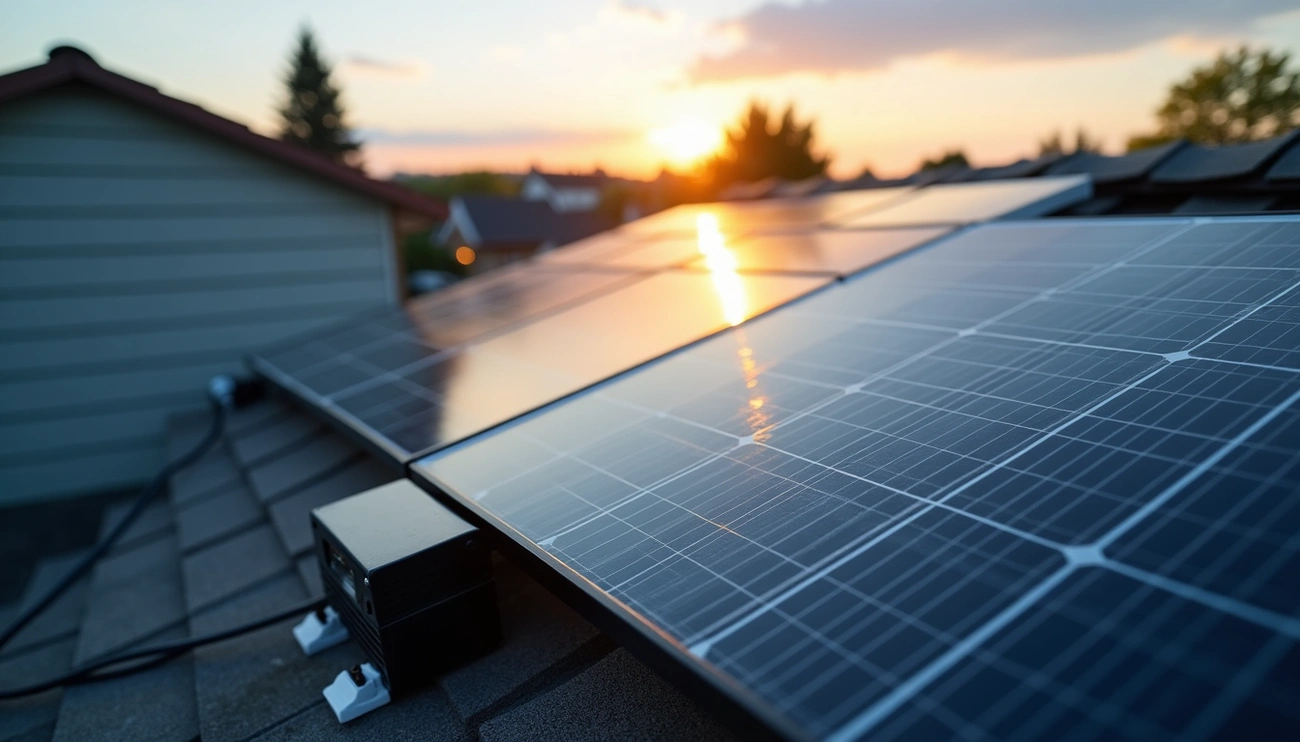
Tilting your panels steeper captures more low-angle winter sunlight. Summer installations typically sit at 5-10 degrees, but winter requires 45-60 degrees for optimal exposure. This adjustment directly compensates for the sun’s lower path across the sky. If your panels mount on adjustable brackets, increase the tilt by roughly 15 degrees from your latitude angle. This simple change can significantly boost energy absorption during shortened daylight periods.
Keep Panels Clean and Snow-Free
Snow removal takes thirty seconds but prevents 30-80% efficiency losses. Use a soft brush or damp cloth to clear accumulated snow after each storm. For everyday maintenance, wipe panels with warm soapy water and a microfiber cloth, avoiding detergents or ammonia-based cleaners that leave streaks. Frost and debris also block light absorption, so regular cleaning becomes more critical during winter.
Position Lights to Maximize Sunlight Exposure
South-facing locations receive the most consistent winter sunlight. Relocate fixtures away from shadows cast by roof overhangs, bare tree branches, or holiday decorations. Correspondingly, panels positioned toward southern exposure will outperform those facing other directions throughout the season.
Upgrade to Cold-Resistant Batteries
Lithium-ion batteries perform better in cold weather compared to standard rechargeable batteries. These specialized units maintain higher charge capacity at lower temperatures, solving the capacity reduction problems that plague conventional batteries during freezing conditions.
Apply Weatherproof Sealant to Connections
Clear waterproof sealant around joints and seams prevents moisture intrusion. Seal any exposed wiring or connections properly, particularly on fixtures rated below IP65. This protective layer stops water from damaging internal components during freeze-thaw cycles.
Best Outdoor Solar Lights for Winter Performance
Selecting the right outdoor solar lights for winter means prioritizing specific features that standard models often lack. Materials matter more than marketing claims when temperatures drop below freezing.
Look for High-Capacity Lithium Batteries
Lithium-ion batteries perform better in cold weather compared to standard rechargeable batteries. Specifically, look for large-capacity rechargeable batteries that maintain efficiency in cold temperatures. These units ensure your lights stay bright throughout extended winter nights. Battery health monitoring becomes necessary, with replacements recommended every 2-3 years to maintain optimal performance.
Choose Lights with Adjustable Solar Panels
Customizable panel angles allow you to follow the sun’s path for maximum efficiency. Panels that tilt to any angle let you optimize winter positioning without replacing entire fixtures. This adjustability proves valuable as the sun’s trajectory shifts throughout the season.
Consider Motion-Sensor Features for Energy Saving
Motion sensors conserve battery charge by activating lights only when needed. Models with on/off switches provide additional control, allowing you to turn off lights until necessary and preserve stored energy. Lights with USB charging capability offer backup power during prolonged cloudy periods.
Check IP Ratings for Weather Protection
IP65 ratings protect against rain, wind, snow, and heat. IP68-rated models withstand submersion up to one meter while resisting high temperatures, snow, and frost. Lights made of glass and metal prove more durable than plastic alternatives, both physically and against weather exposure.
Conclusion
Solar lights absolutely work in winter, though they’ll perform at reduced capacity. Given that you now understand the challenges and solutions, you can keep your outdoor lighting functional throughout the coldest months. Focus on the basics: adjust panel angles seasonally, clear snow promptly, and invest in quality fixtures with lithium batteries and proper weather sealing. These simple steps will protect your investment and maintain reliable illumination all winter long.