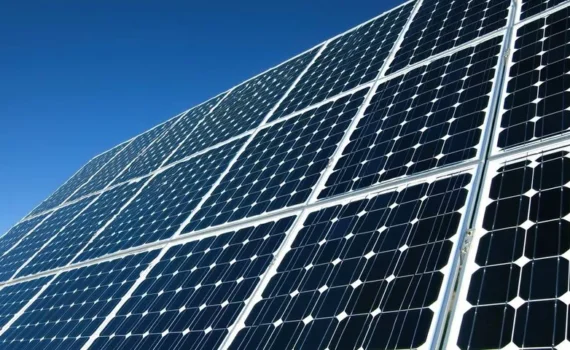
Solar panels do not emit harmful radiation. Solar panels generate electricity using photovoltaic cells and produce only very low-level, non-ionizing electromagnetic fields (EMF). These EMF levels are comparable to common household appliances such as televisions, refrigerators, and computers and meet international safety standards for human health. Do Solar Panels Give […]
Monthly Archives: March 2026
49 posts
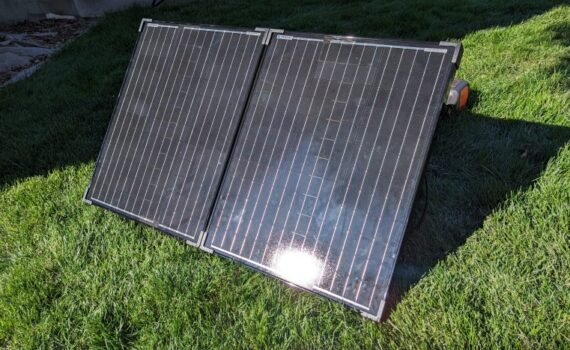
Renogy solar panels are primarily manufactured in China, with additional production in Thailand. Renogy operates manufacturing and assembly facilities across Asia to produce its solar panels and components. The company is headquartered in Ontario, California, and was founded in the United States, but its main production operations are based in […]
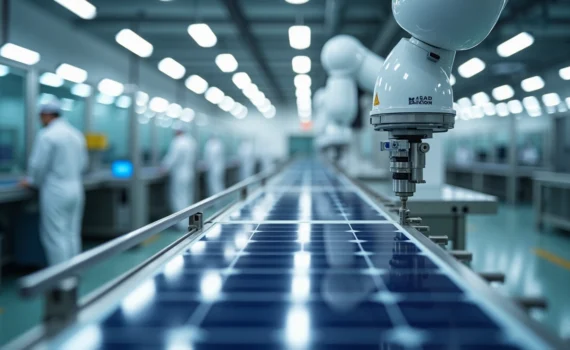
REC solar panels are manufactured in Singapore. REC produces its solar panels in a highly automated manufacturing facility located in Tuas, Singapore. The company was founded in Norway in 1996 and is now owned by Reliance Industries of India, but all panel production, including the REC Alpha series, takes place […]
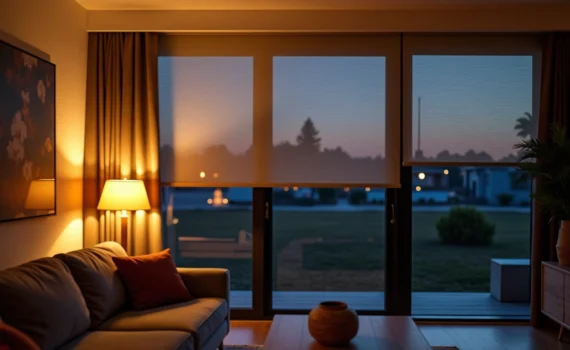
No, solar shades do not provide privacy at night. Solar shades filter sunlight and provide daytime privacy by blocking outside visibility while allowing interior views. At night, interior lighting reverses this effect. Outside viewers can see silhouettes or clear indoor details through the shade depending on the fabric weave openness […]
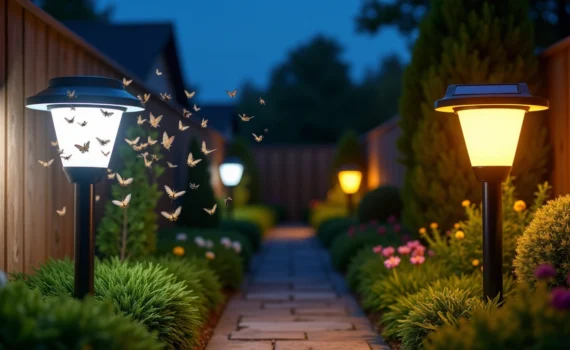
Solar lights attract fewer bugs than conventional lights because they usually emit lower-intensity, warmer-toned light that many insects cannot see easily. However, solar lights can still attract insects such as moths, beetles, and mosquitoes, especially when the light emits cool white or blue wavelengths that insects detect more strongly. Do […]
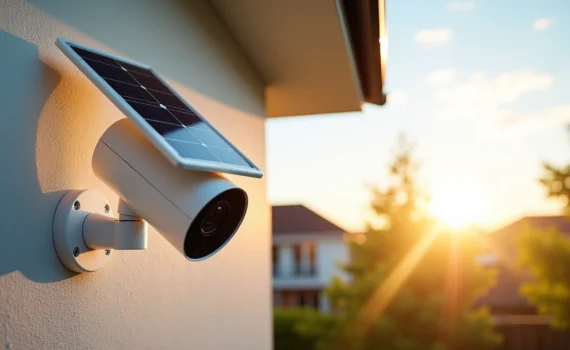
Solar-powered cameras do not require direct sunlight to operate because their solar panels generate electricity from ambient and indirect daylight. However, solar cameras charge batteries most efficiently with 2–6 hours of direct sunlight daily. Built-in rechargeable batteries store energy and power the camera during nighttime or cloudy conditions. Do solar […]
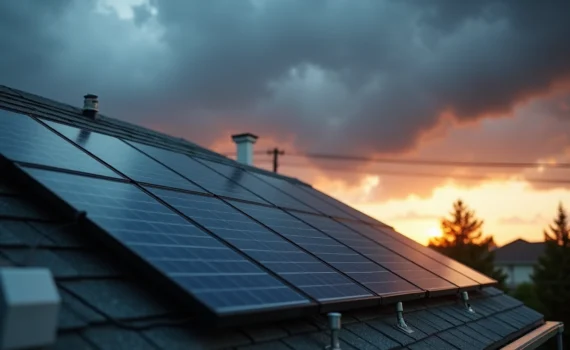
Solar panels may survive an electromagnetic pulse (EMP) because the panels contain durable semiconductor materials with no sensitive microelectronics. However, an EMP will likely destroy connected components such as inverters, charge controllers, and battery management systems. Long system wires act as antennas that induce high-voltage surges, which damage electronics and […]
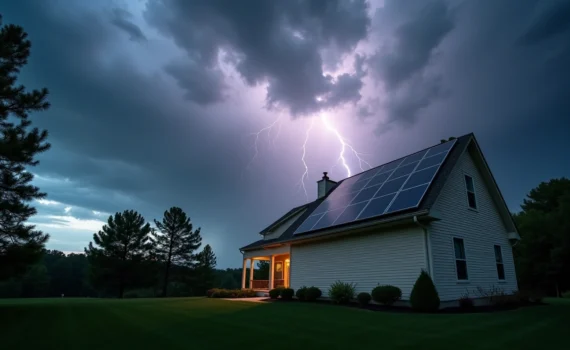
Solar panels do not attract lightning because they do not create the atmospheric charge or static electricity required to draw a strike. Lightning strikes depend mainly on an object’s height, location, and surrounding terrain. Although solar panels contain metal components, they do not increase a home’s lightning risk, but a […]
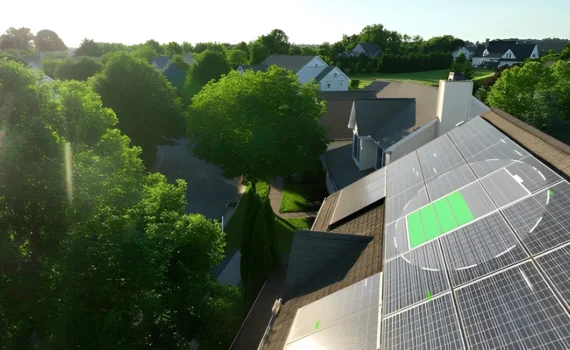
Standard grid-tied solar panels do not work during a power outage because the inverter automatically shuts down to protect utility workers and grid equipment. Solar panels only supply electricity during a blackout when the system includes a solar battery or an inverter with islanding capability that disconnects the home from […]
Solar panels are usually covered under homeowners insurance because most policies include them as part of dwelling coverage when mounted on the roof. Ground-mounted systems typically fall under other structures coverage. Insurance protects panels from risks such as fire, wind, hail, and theft, but homeowners should update policy limits to […]